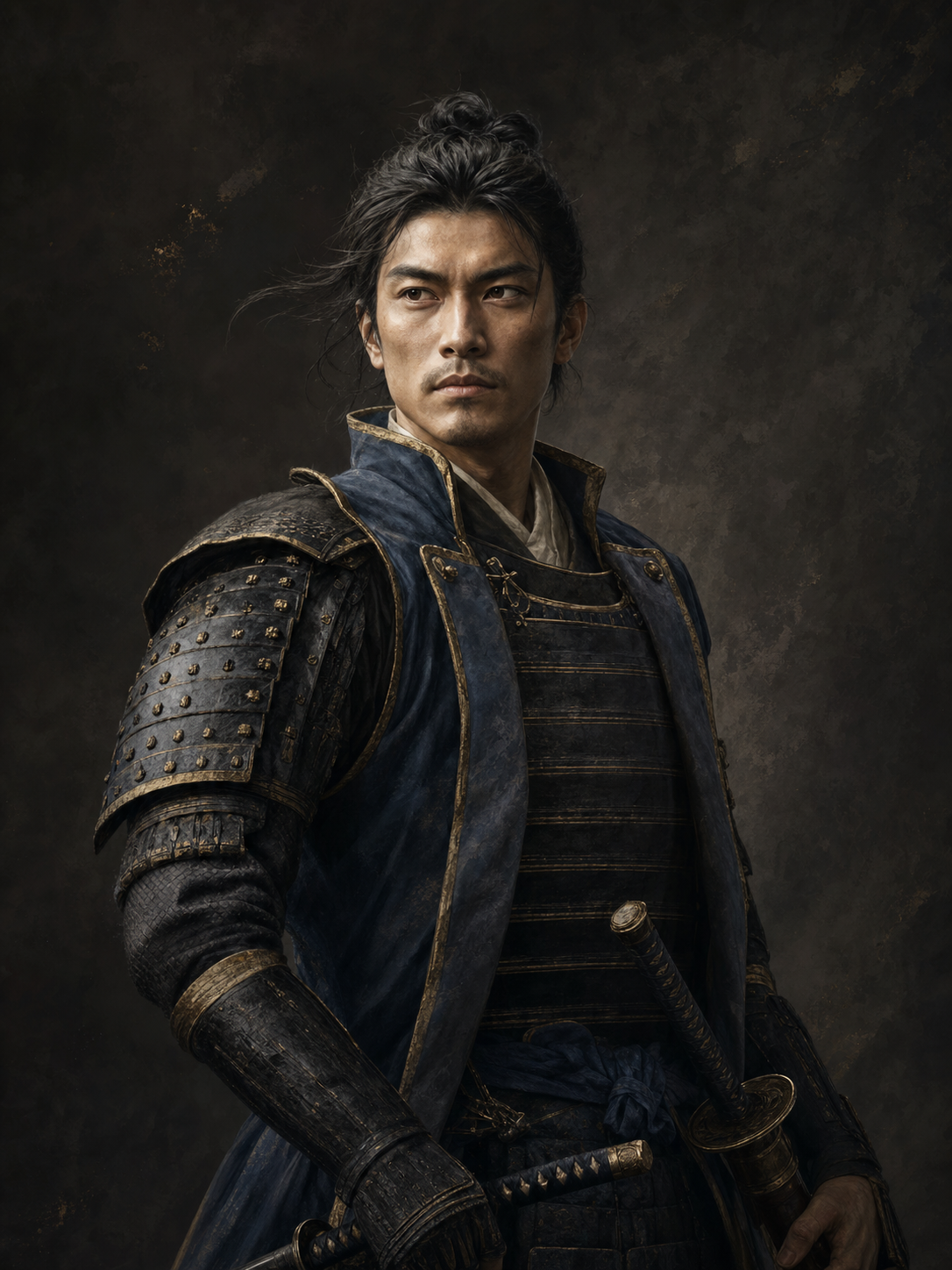
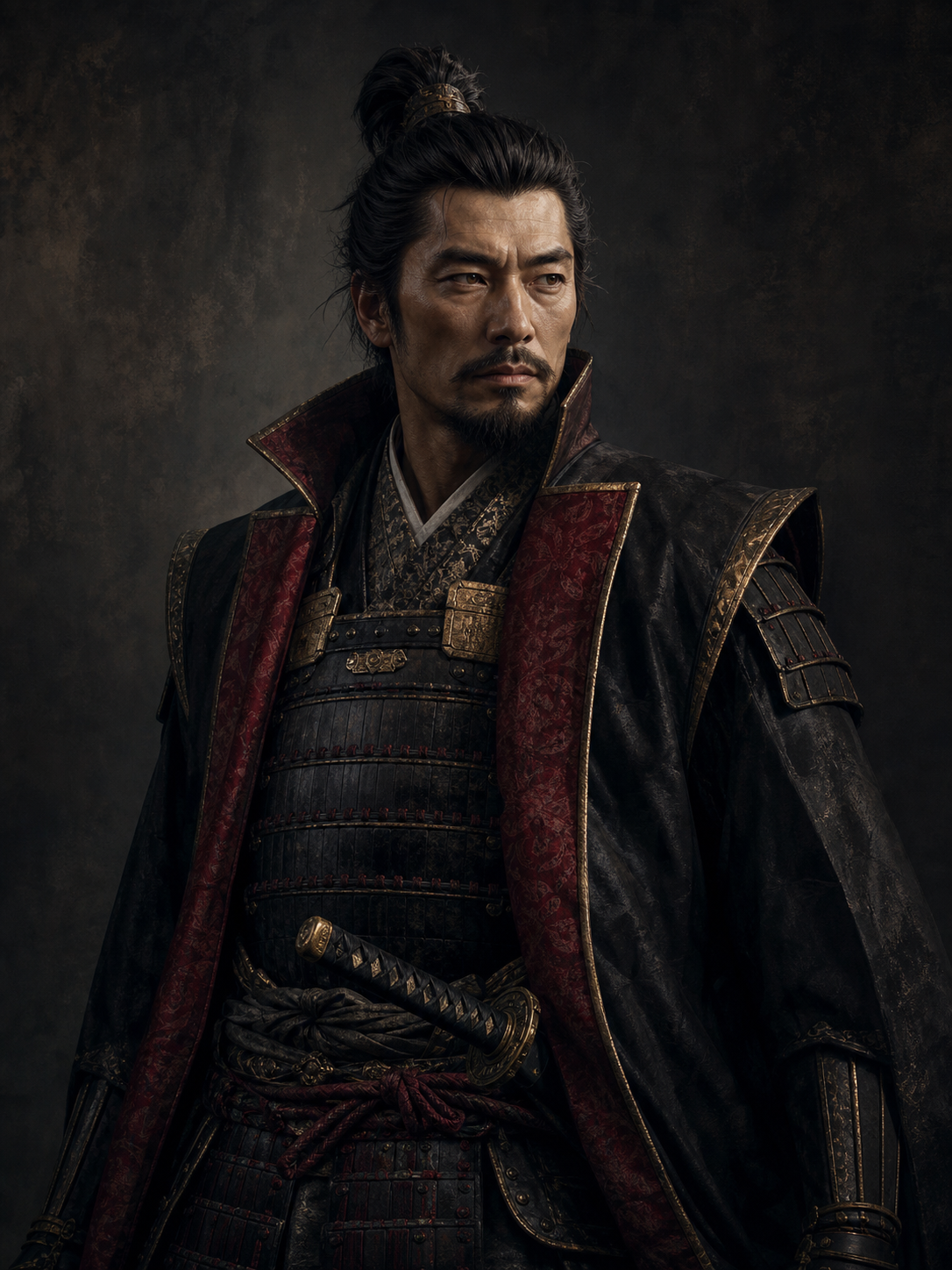
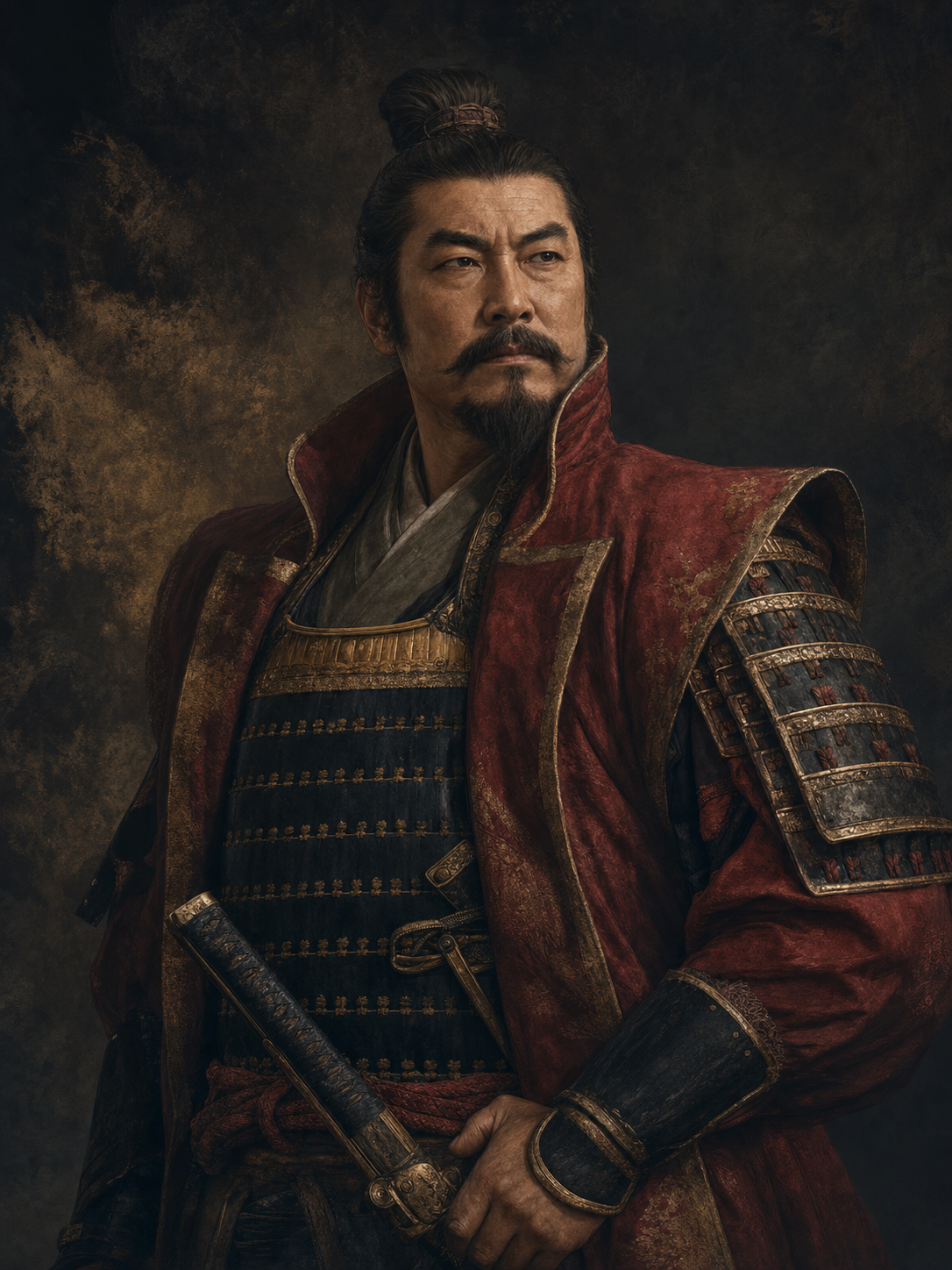
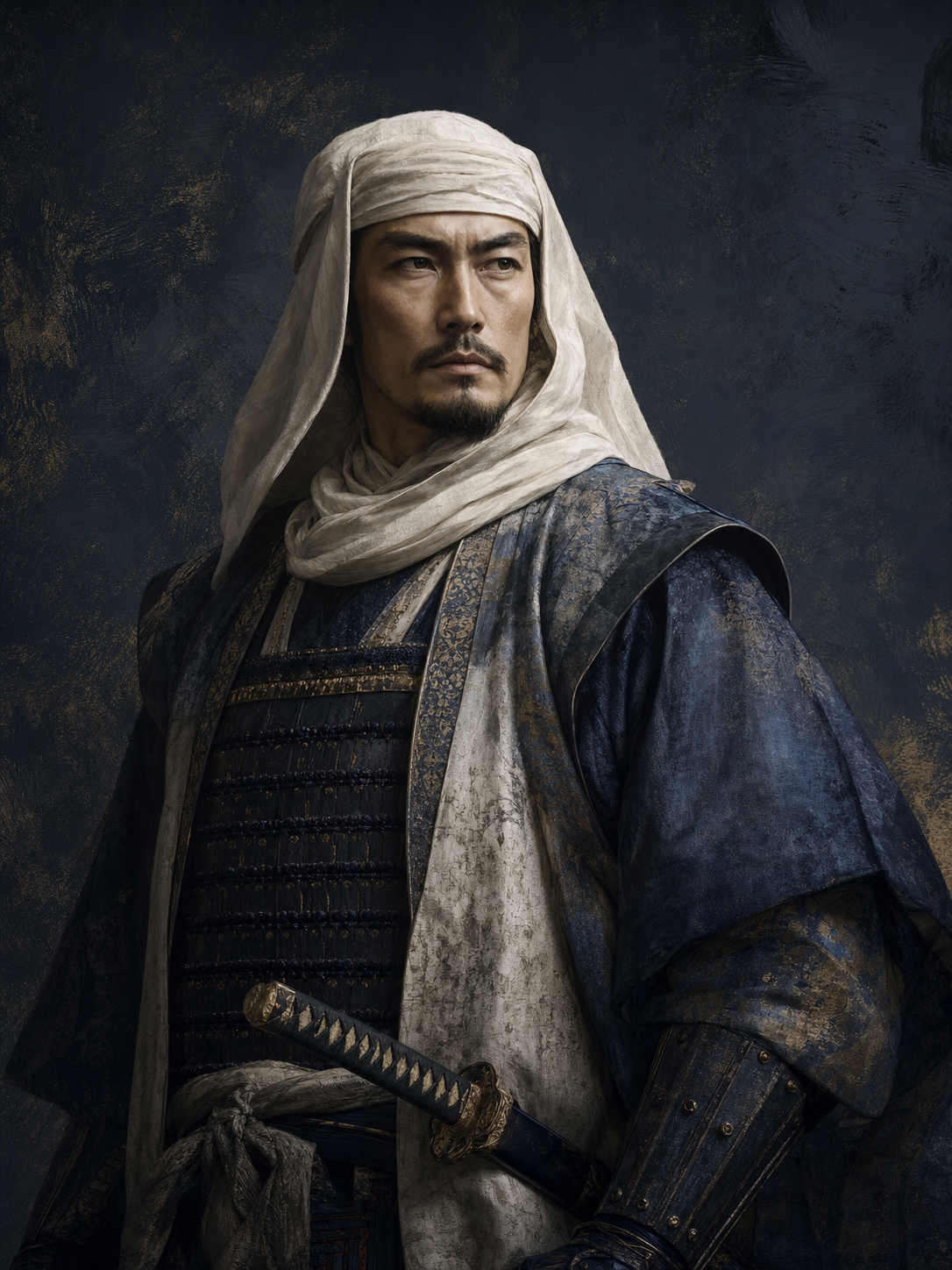
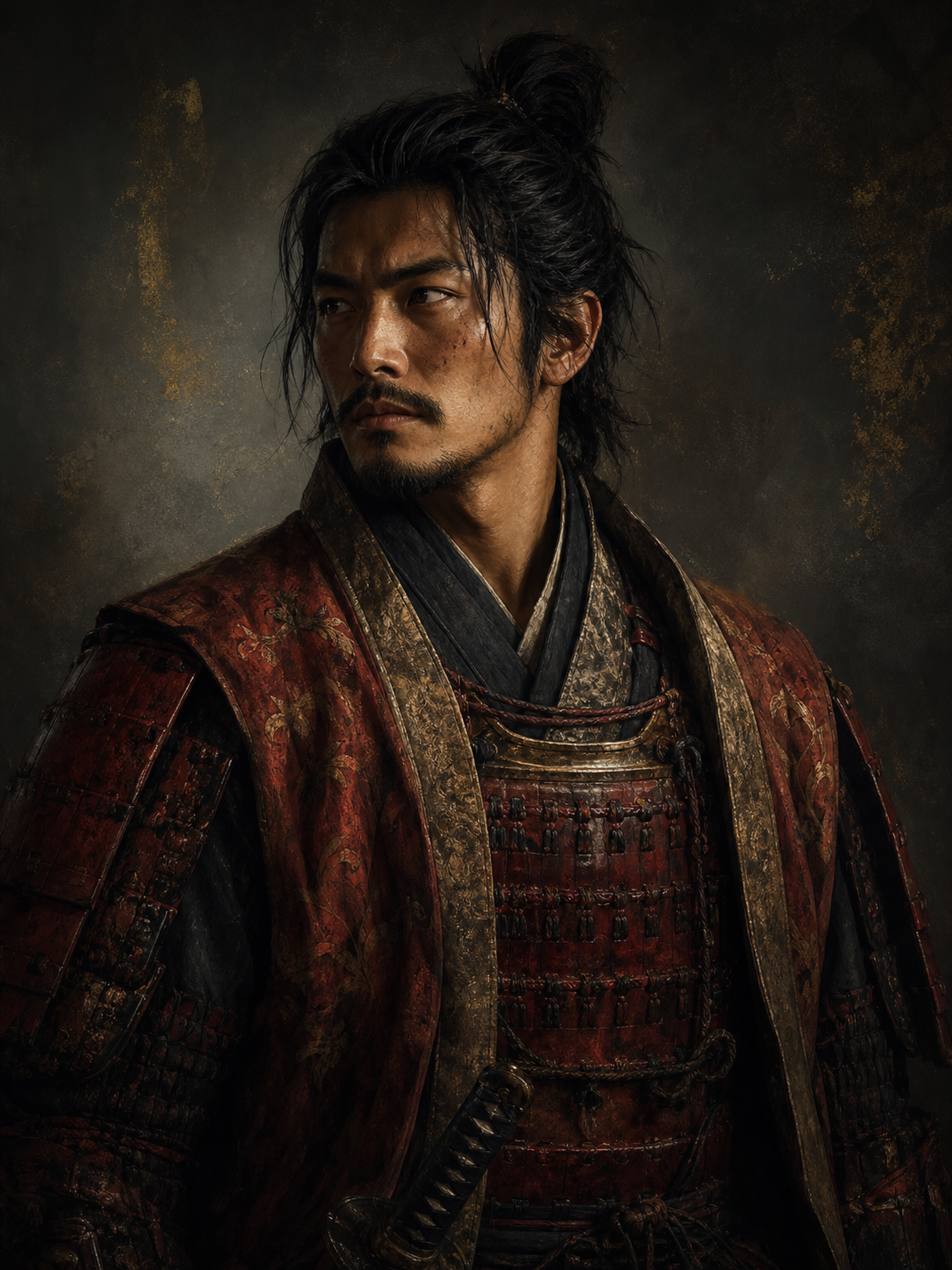
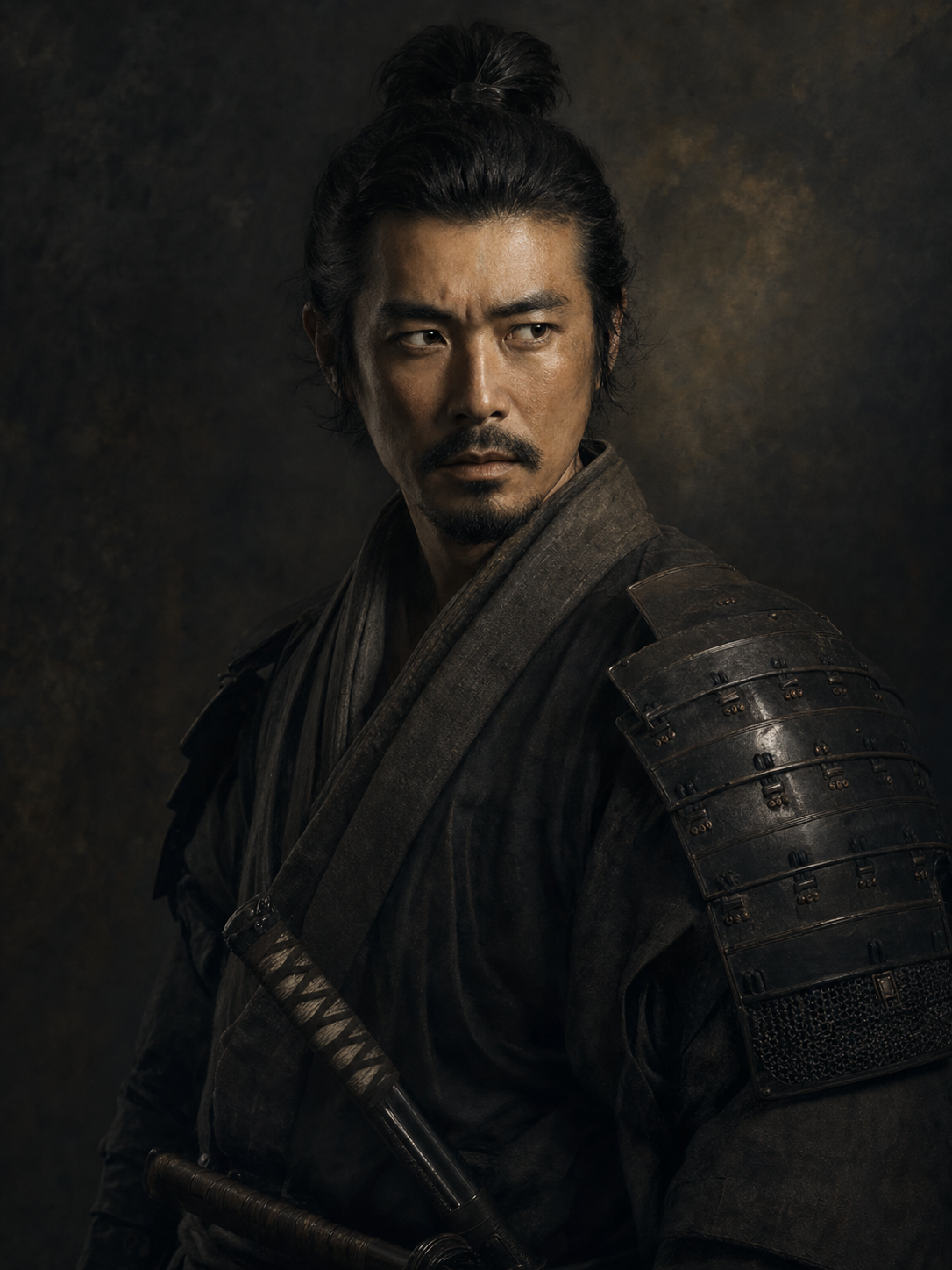
A samurai in the Sengoku period was a member of the warrior class in the service of a lord. The word derives from a verb meaning "to serve", and service — not swordsmanship, not a code of honour — is the core of the definition.
The Sengoku century is when the samurai reached their military peak and, paradoxically, when the class was least exclusive. Anyone who could fight and find a lord could rise: Toyotomi Hideyoshi, who ended up ruling Japan, was born to a farming family.
Samurai, bushi, ashigaru: who was who
Japanese sources use "bushi" for the warrior class in general and "samurai" more narrowly for those in direct service to a lord. English uses "samurai" for both, which is fine as long as you know what the word is covering.
Below the samurai proper were the ashigaru — foot soldiers, often recruited from villages, who made up the bulk of any Sengoku army. In the fifteenth century they were seasonal levies. By the late sixteenth they were increasingly full-time paid troops drilled in spear and gun formations, which is one of the era's most important military changes.
Above the samurai were their commanders and, at the top, the daimyo who held the land everyone else was paid from.
What samurai actually fought with
The sword is the emblem, but it was not the main battlefield weapon. Sengoku armies fought primarily with:
- Yari (spears) — the standard weapon, used in massed formations with shafts often four metres or longer.
- Yumi (bows) — the Japanese longbow, an aristocratic weapon of high status and long practical use.
- Teppo (matchlock arquebuses) — introduced in 1543 and produced domestically within a few years; decisive at Battle of Nagashino in 1575.
- Katana and wakizashi — sidearms, used when formations broke or in confined fighting.
Armour
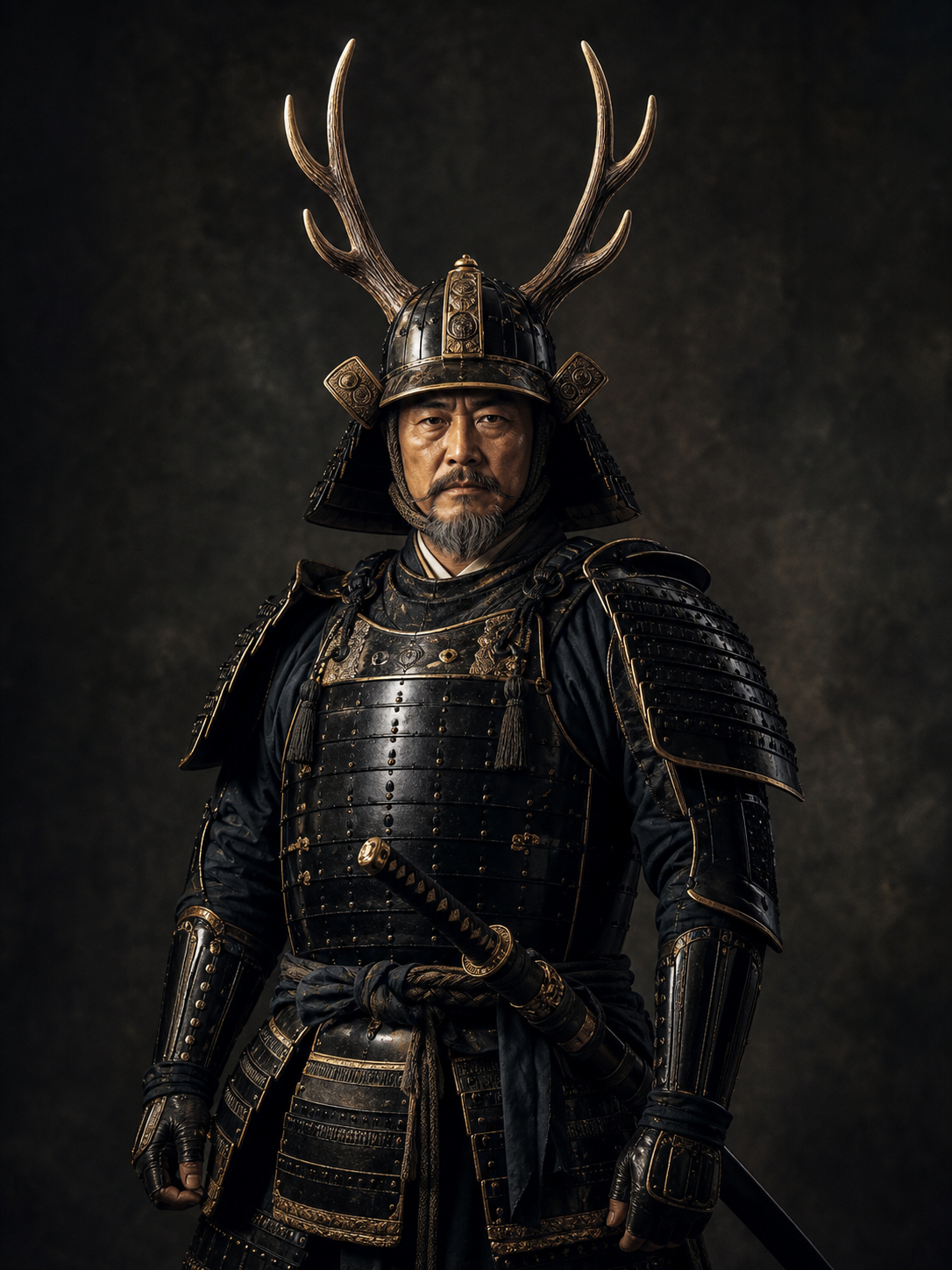
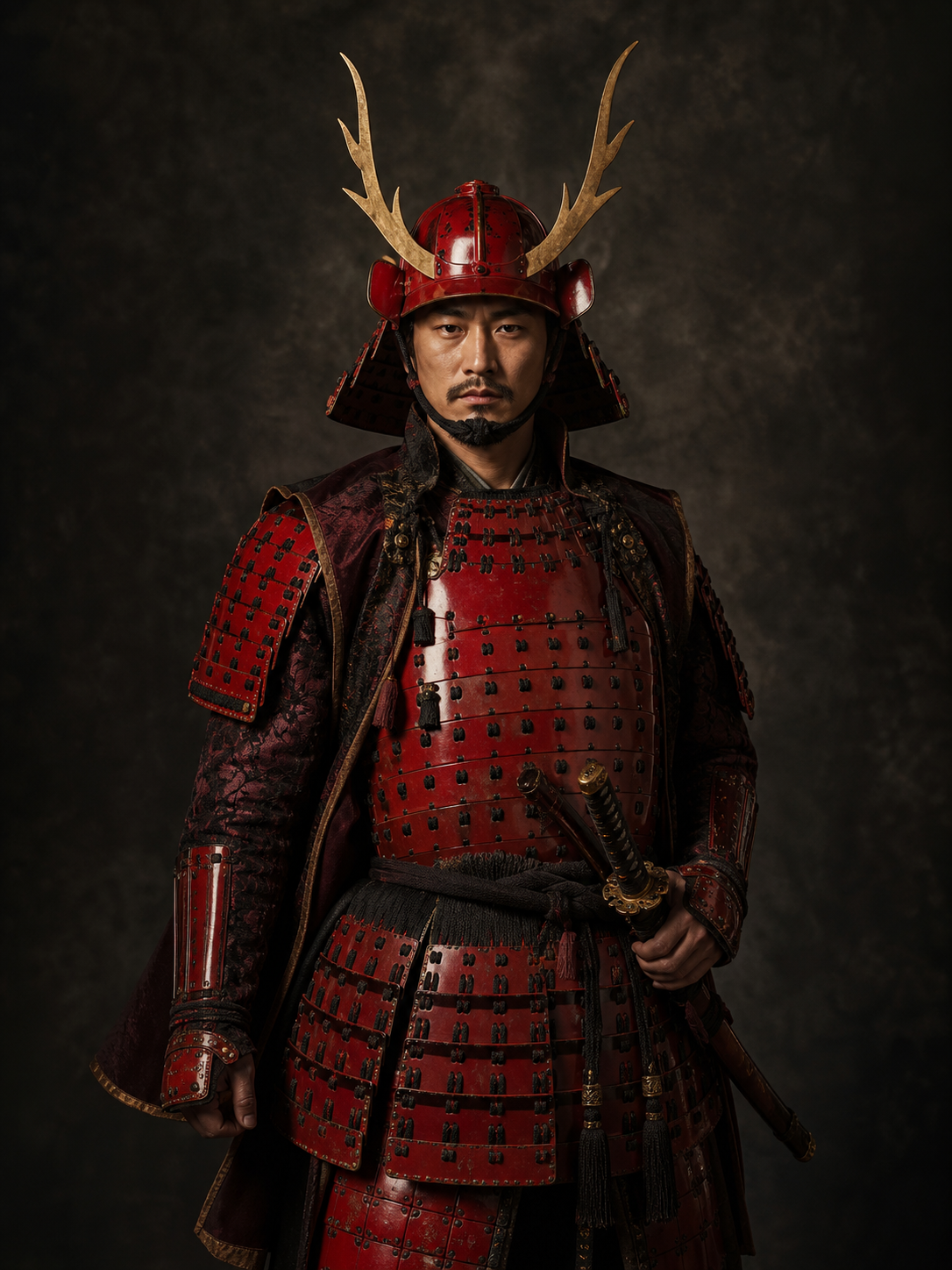
Sengoku armour was built from lacquered plates and scales laced together, shaped to be worn on horseback and in mass formations, and it was practical rather than ceremonial. As firearms spread, solid-plate cuirasses became more common because laced scale offered less protection against bullets.
Helmets, on the other hand, became spectacular. Commanders wore towering crests — Date Masamune's crescent moon, Honda Tadakatsu's deer antlers — because being recognisable at a distance was tactically useful and politically valuable.
How an army was organised
A daimyo's army was assembled from his direct retainers, each of whom brought men in proportion to the land he held. That obligation was calculated in koku, a measure of rice yield, once Toyotomi Hideyoshi's surveys standardised it.
The consequence is that Sengoku armies were federations. A contingent could leave, refuse to advance, or change sides, and at Battle of Sekigahara several did exactly that. Understanding this makes the great battles far easier to follow.
Loyalty and betrayal
The idea that samurai were bound by absolute loyalty to a single lord is largely a later construction. In the Sengoku period, retainers changed sides regularly, and doing so was normal rather than shameful when a lord could no longer protect or pay them.
The Sanada family deliberately split itself between both sides in 1600 so the house would survive either result — see Sanada Masayuki and Sanada Nobuyuki. That is how the era actually worked.
Myths and reality
Several famous samurai ideas belong to the peaceful Edo period that followed, not to the wars themselves:
- Bushido as a written code — the term is rare before the seventeenth century, and the well-known texts (Hagakure, and the works of Yamaga Soko) were written when there were no wars left to fight. The 1900 English book Bushido: The Soul of Japan shaped the Western image more than any medieval source.
- Seppuku as routine — ritual suicide did happen, and it happens repeatedly in this site's battle pages, but it was a specific act with political meaning, not a reflex.
- The sword as the soul of the samurai — a phrase from an Edo-period edict. On a Sengoku battlefield the spear and the gun mattered more.
- Two swords and duels — the paired sword convention and the famous duelling culture belong mainly to the Edo period.
Famous samurai of the era
The best way into the period is through the people. These are the figures whose careers explain the most.