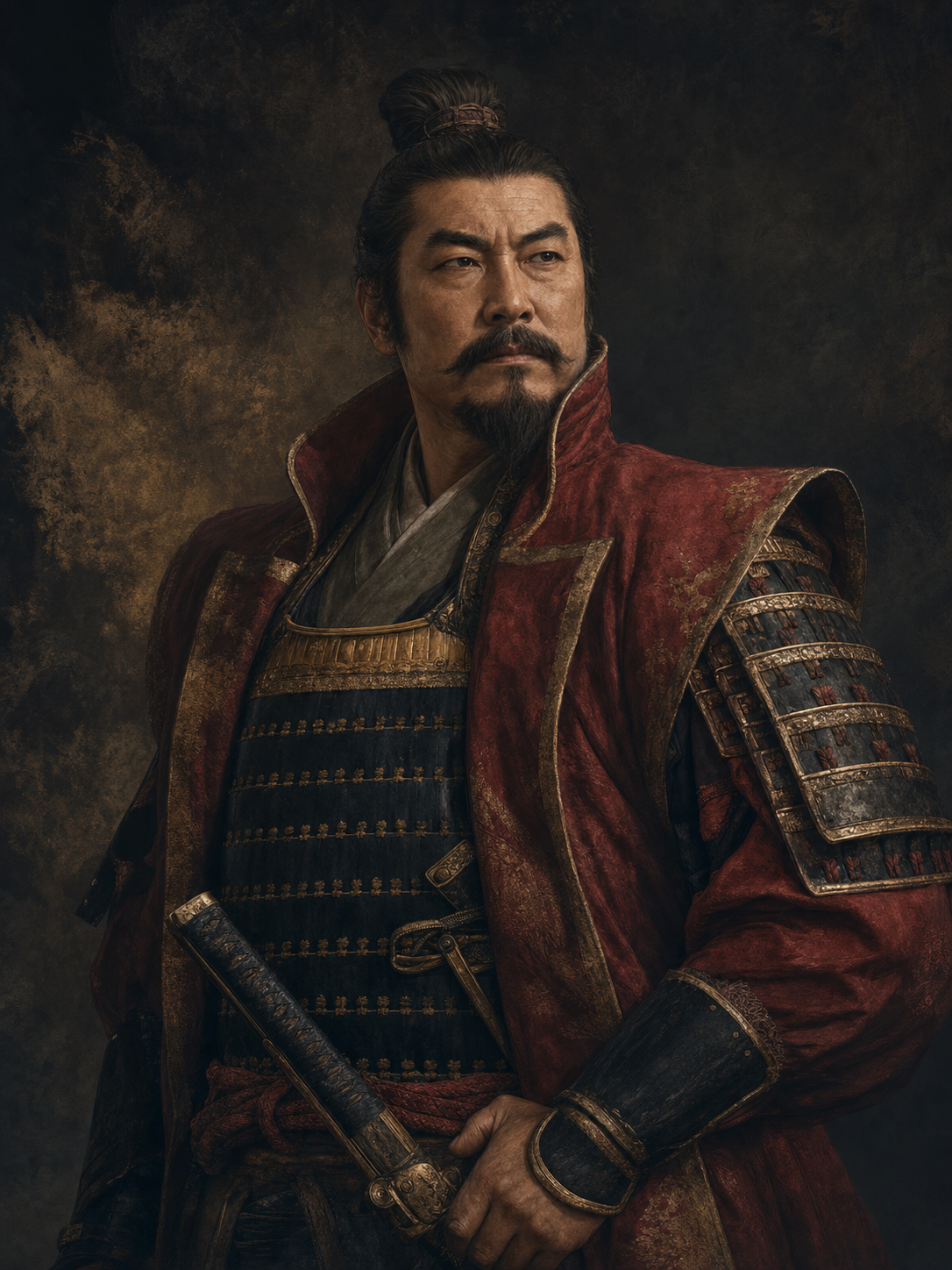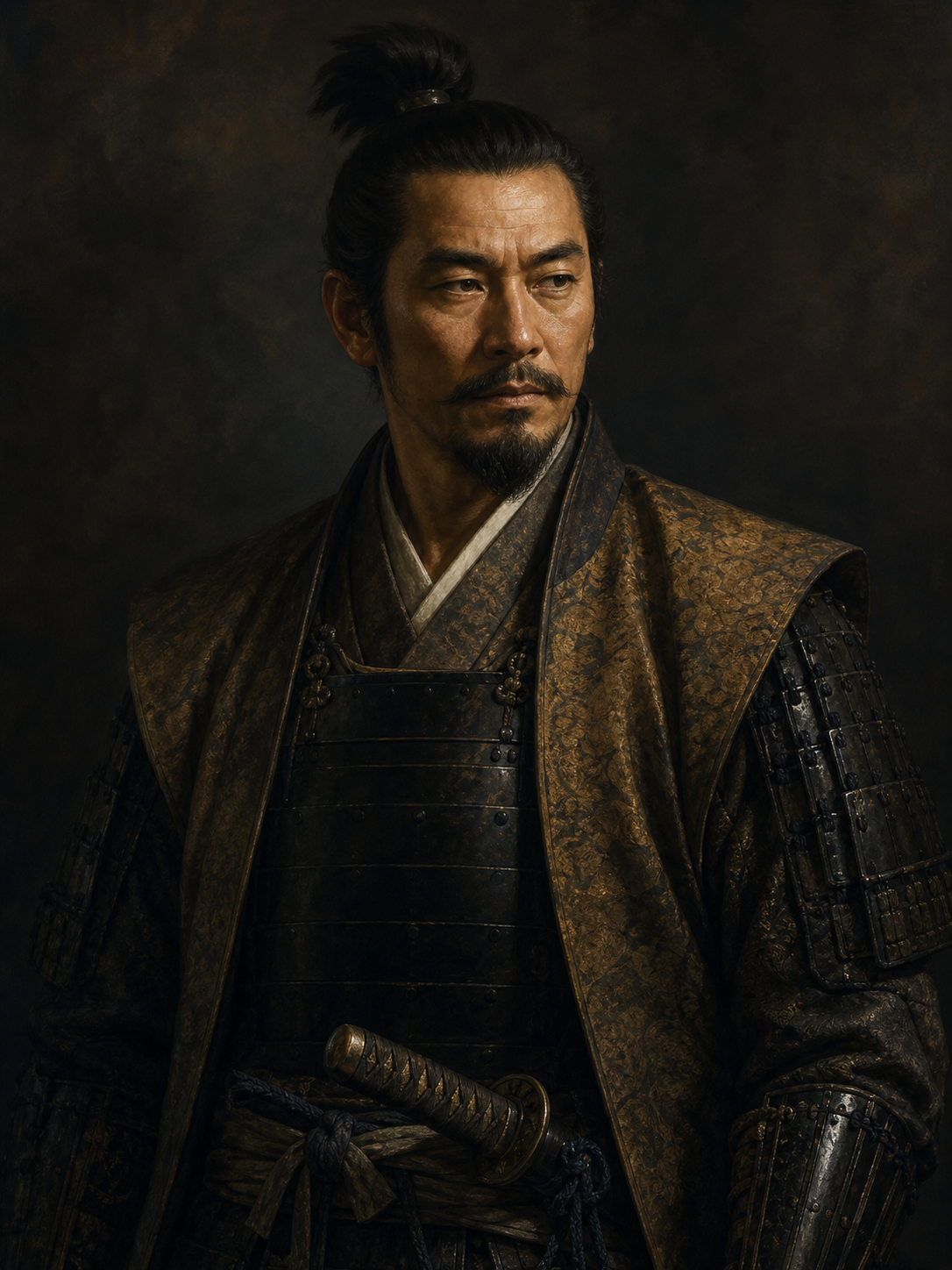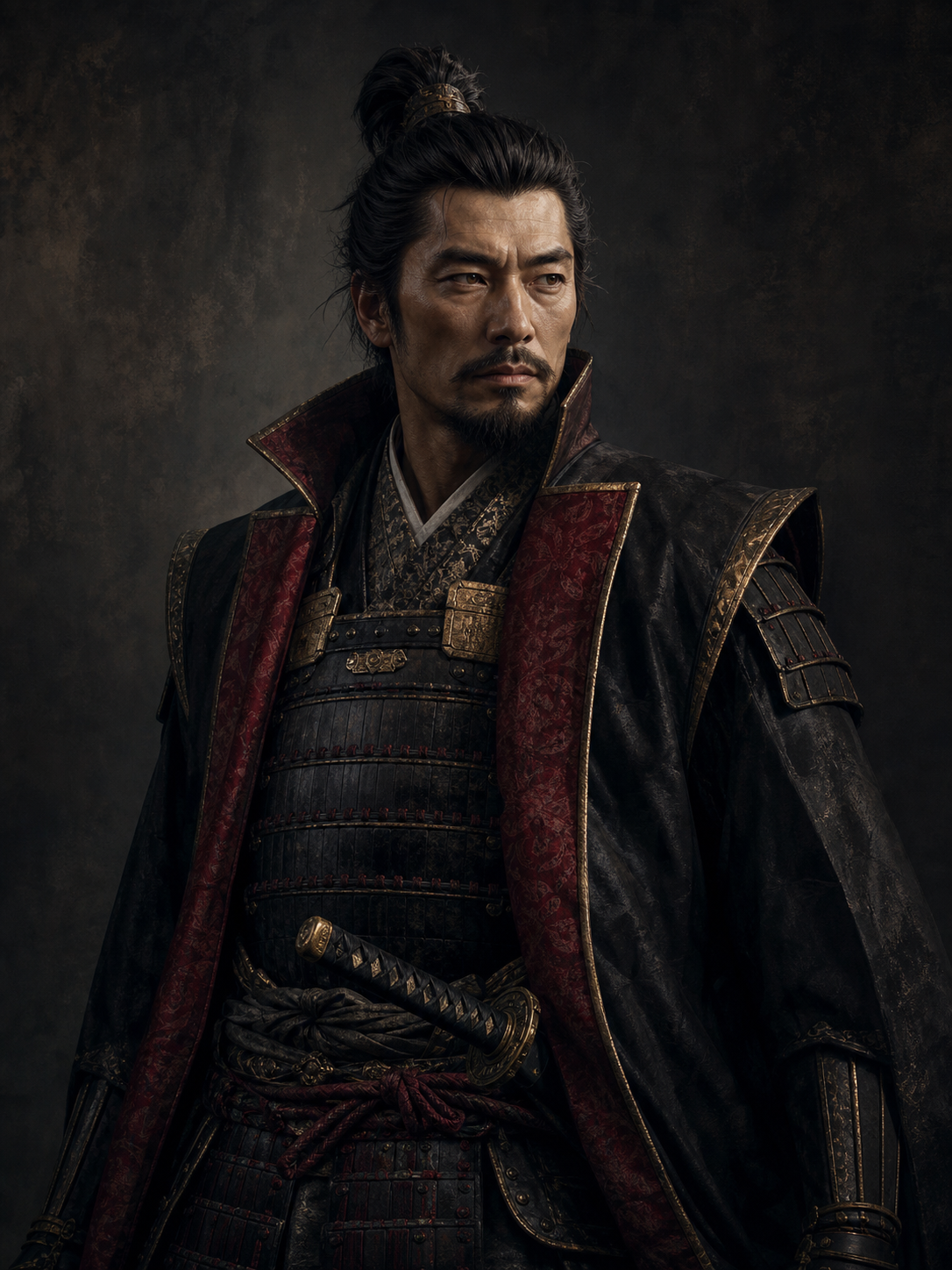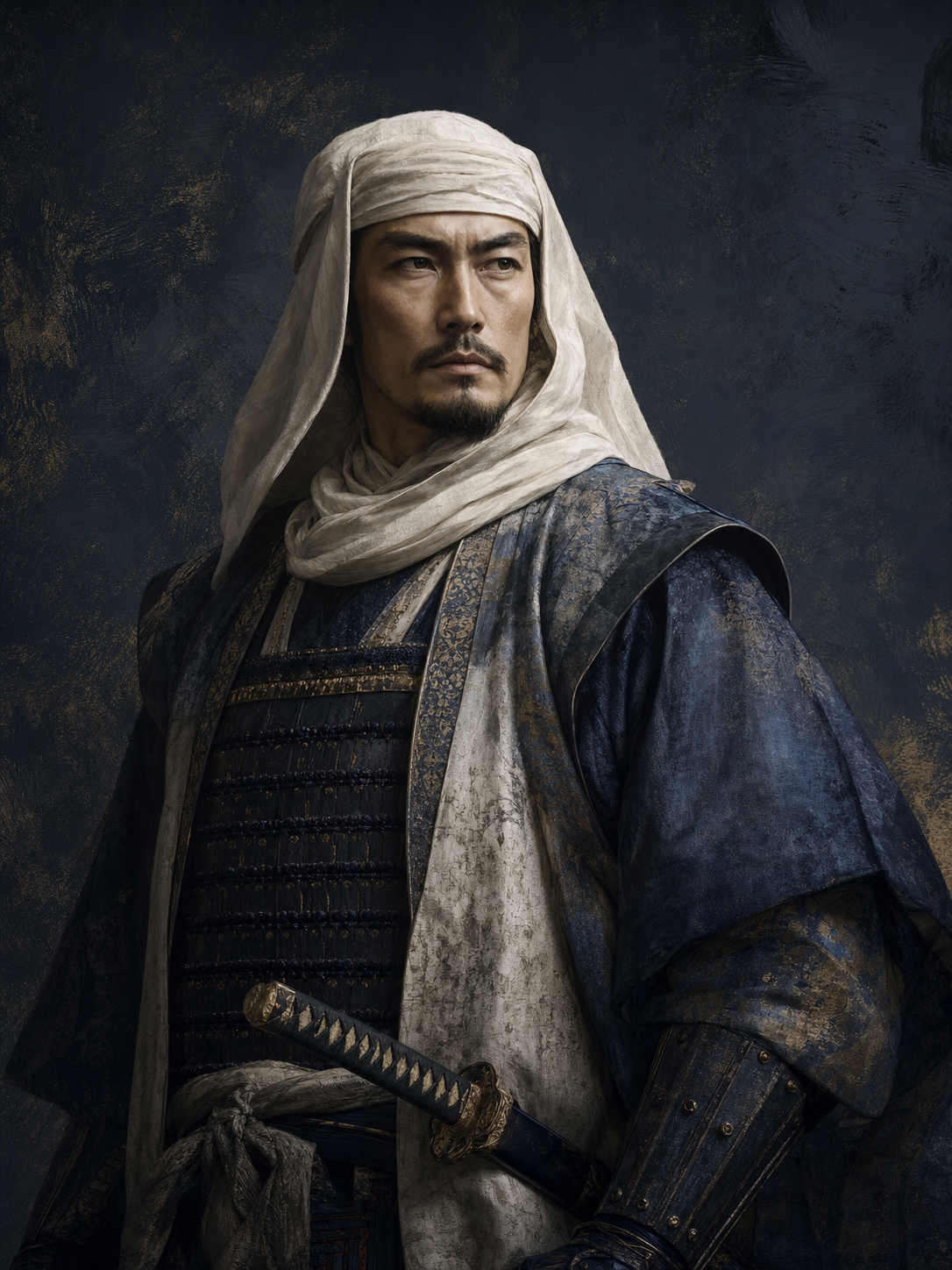
Who was Kenshin?
Uesugi Kenshin (1530–1578) ruled Echigo Province on the Japan Sea coast, today Niigata Prefecture. He was the most consistently successful field commander of his generation in eastern Japan, and the only man Takeda Shingen could not beat.
He is remembered for a religious streak unusual even in that era: he took Buddhist vows, identified himself with Bishamonten, the guardian deity of warriors, and used the character for "dragon" and the deity's name on his banners. Later writers built on this to portray him as a warlord who fought for justice rather than territory.
Why is Kenshin important?
- He fought Takeda Shingen to a standstill across five campaigns at Kawanakajima over eleven years.
- He intervened repeatedly in other provinces on behalf of lords who had been driven out, which is the factual basis for his reputation for principle.
- He inherited the Kanto Kanrei title from the Uesugi house, giving his campaigns in eastern Japan a claim to legitimacy.
- His death in 1578 while preparing a westward campaign removed the last major northern threat to Oda Nobunaga.
Rise in Echigo
Born Nagao Kagetora, the younger son of a deputy governor's family, he took over the province in his teens after his elder brother proved unable to hold it. He was formally adopted by Uesugi Norimasa, the displaced holder of the Kanto Kanrei office — the shogunal deputy for eastern Japan — taking both the Uesugi name and a claim to authority over the Kanto plain.
That claim brought him into repeated conflict with the Hojo of Odawara, and his campaigns across the mountains into the Kanto were an annual event for much of the 1560s.
The rivalry with Shingen
The five Kawanakajima campaigns between 1553 and 1564 began when lords displaced from Shinano by the Takeda asked Kenshin for help. The fourth, in 1561, was the only major engagement. Neither side gained lasting ground.
The best-known story about the rivalry is the "salt to the enemy" episode: when the Hojo and Imagawa cut Kai off from salt supplies, Kenshin is said to have allowed salt to continue reaching Shingen's people, on the grounds that he fought with swords and not with starvation. The story appears in later sources and cannot be verified, but it captures the reputation he had already acquired.
Later campaigns and death
In the 1570s Kenshin turned west along the Japan Sea coast, taking Noto Province and defeating an Oda army at the Tedorigawa in 1577 — one of the few clear defeats Nobunaga's forces suffered in the field.
He died in Kasugayama Castle in 1578, apparently after a sudden collapse; contemporary accounts point to illness, and later speculation about assassination is not supported. Because he left no clear heir, the Uesugi were consumed by a succession war between his two adopted sons, which ended their westward push.
Legacy
Kenshin's image as the "god of war" who fought only just wars was largely constructed in the Edo period and afterwards, and modern historians point out that he raided, took plunder and sold captives much as his contemporaries did. The contrast with Shingen is a literary device as much as a historical judgement.
The Kenshin–Shingen rivalry remains one of the most heavily dramatised relationships in Japanese history, and both men appear in almost every game and drama set in the period.