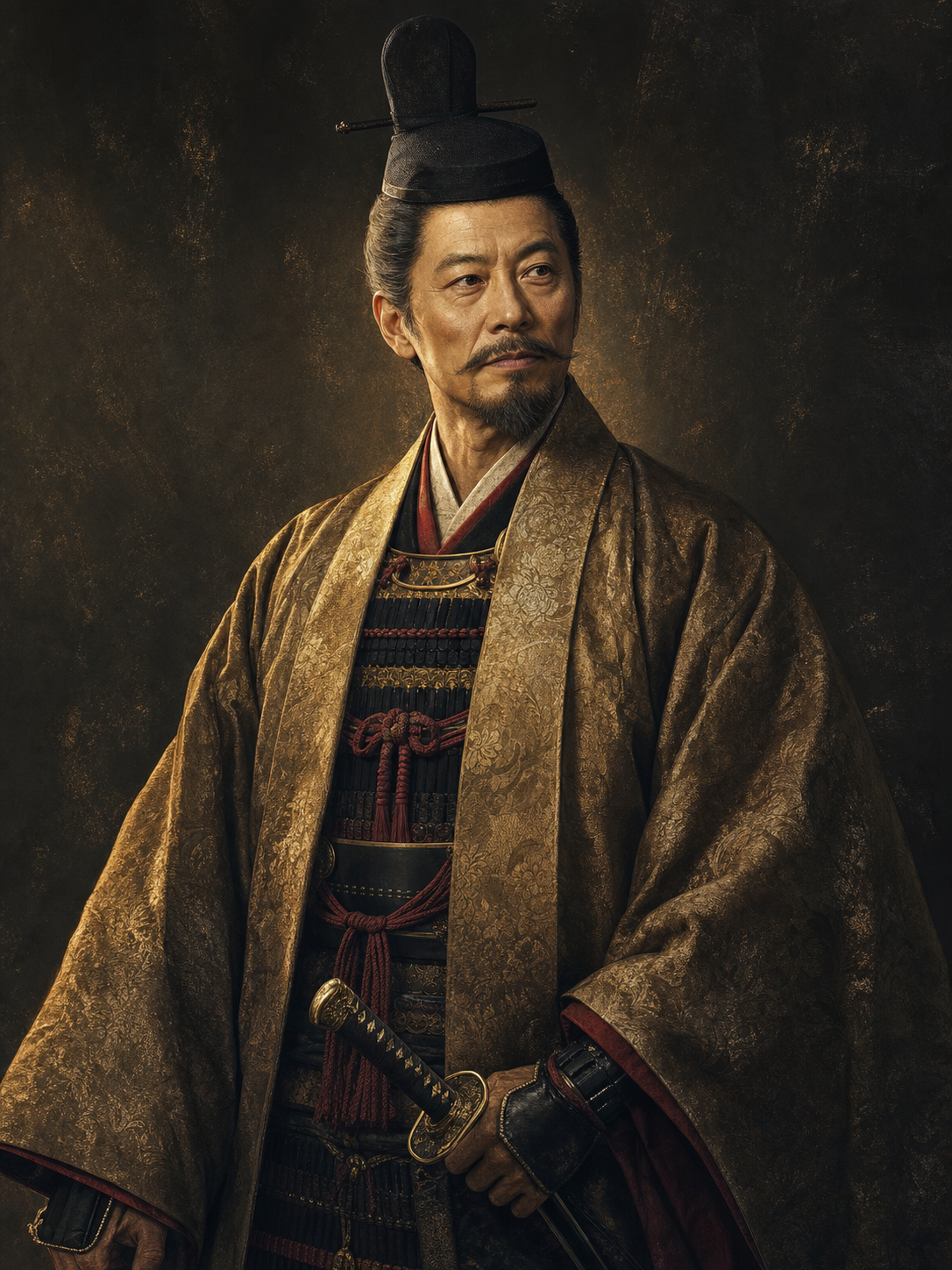
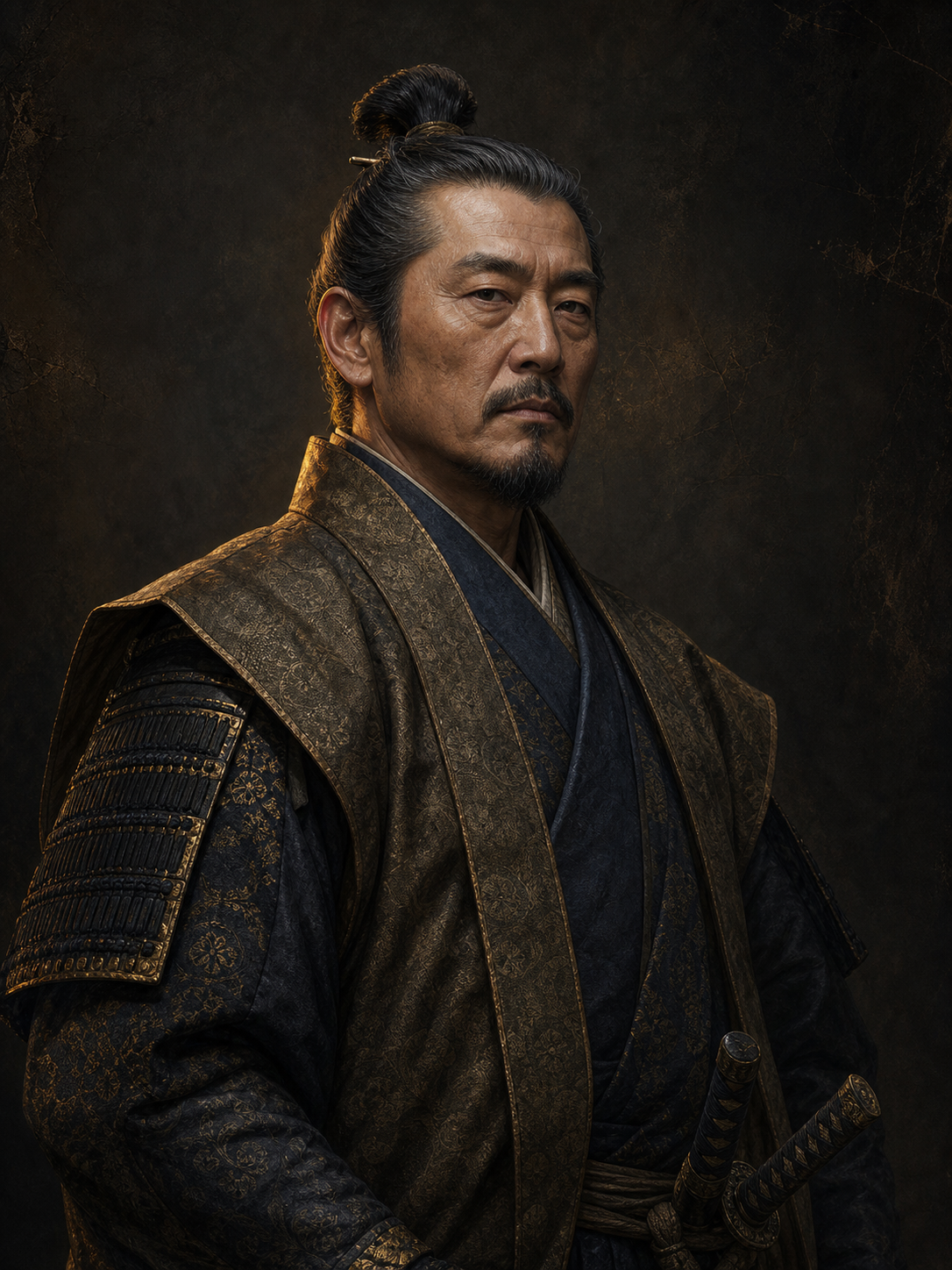
A shogun was the military ruler of Japan, formally appointed by the emperor. The full title, sei-i taishogun, means roughly "commander-in-chief for subduing barbarians" and dates from campaigns in the far north centuries earlier.
From 1192 onwards, the shogun — not the emperor — governed Japan in practice. The emperor remained the source of legitimacy and granted the appointment; the shogun held the soldiers, the land and the administration.
Emperor and shogun
Japan has had an emperor continuously throughout its recorded history, and for most of the last thousand years the emperor did not govern. The court in Kyoto retained ceremonial and religious authority and the power to confer rank and title; military families held actual power and sought imperial appointment to legitimise it.
This is why Oda Nobunaga and Toyotomi Hideyoshi, who could have ignored the court entirely, both spent effort on court rank. Legitimacy was cheap to buy and expensive to do without.
The three shogunates
| Shogunate | Period | Base |
|---|
| Kamakura | 1192–1333 | Kamakura |
|---|
| Ashikaga (Muromachi) | 1336–1573 | Kyoto |
|---|
| Tokugawa (Edo) | 1603–1868 | Edo (Tokyo) |
|---|
Why the Ashikaga shogunate collapsed
The Ashikaga governed through great families who held multiple provinces and lived in the capital. It was a coalition, not a state, and it depended on the shogun being able to arbitrate between its members.
The Onin War destroyed that capacity. After 1477 the shogun was a piece in other people's games — installed, expelled and reinstalled by whichever military house controlled Kyoto that decade. The last of the line, Ashikaga Yoshiaki, was put on the throne by Nobunaga in 1568 and expelled by him in 1573.
Shogun and daimyo
In principle the shogun appointed and outranked the daimyo. In the Sengoku period he could not enforce that, and daimyo negotiated with the shogunate as with any other power.
The Tokugawa rebuilt the relationship deliberately: daimyo were ranked by when they had submitted, their marriages and castle building were controlled, and they were required to alternate residence between their domain and Edo, leaving their families in the capital.
Why Hideyoshi never became shogun
By convention the office required descent from the Minamoto line. Toyotomi Hideyoshi, born a commoner, could not credibly claim it, so he took the ancient civil office of kampaku — imperial regent — instead, and governed through that.
Tokugawa Ieyasu could claim Minamoto descent, and did. He was appointed shogun in 1603 and resigned in 1605 in favour of his son, specifically to demonstrate that the office now belonged to his family by inheritance.
The beginning of the Tokugawa shogunate
Ieyasu's appointment followed his victory at the Battle of Sekigahara. He then spent thirteen years making the settlement permanent: redistributing domains, codifying the rules for warrior houses, and finally destroying the Toyotomi at the Siege of Osaka in 1615.
The shogunate he founded governed Japan until 1868, when it was overthrown and imperial rule was restored.