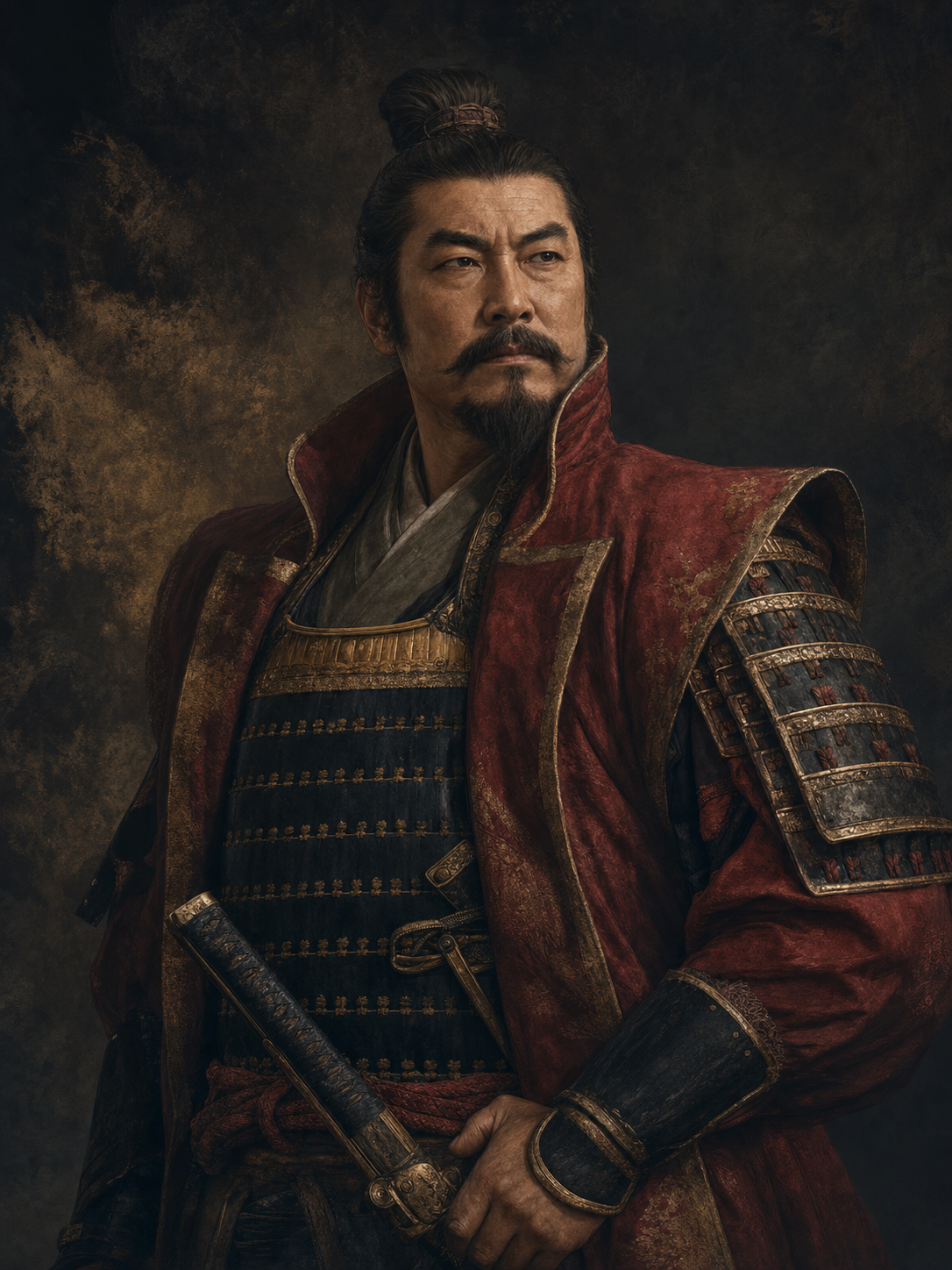
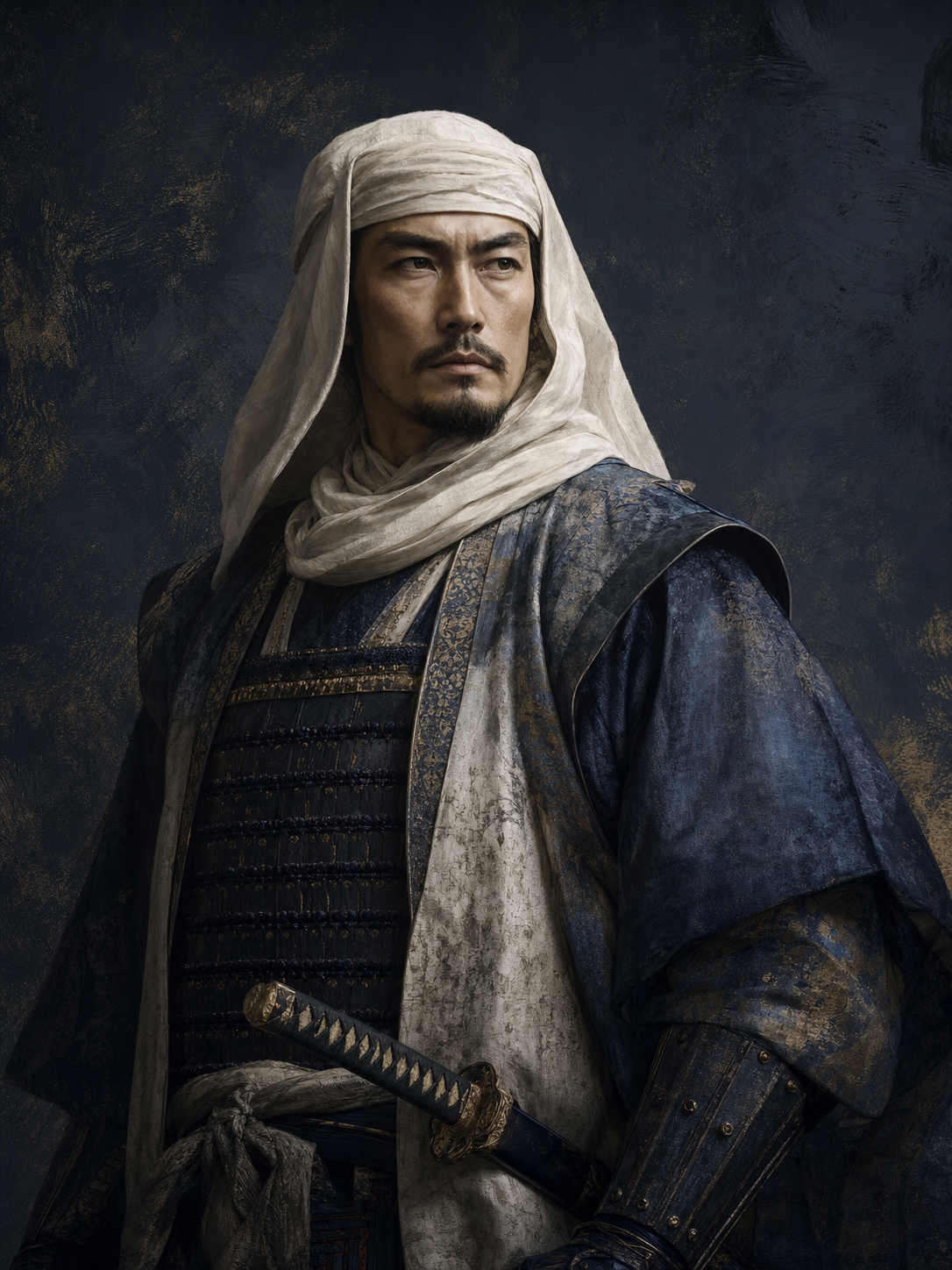
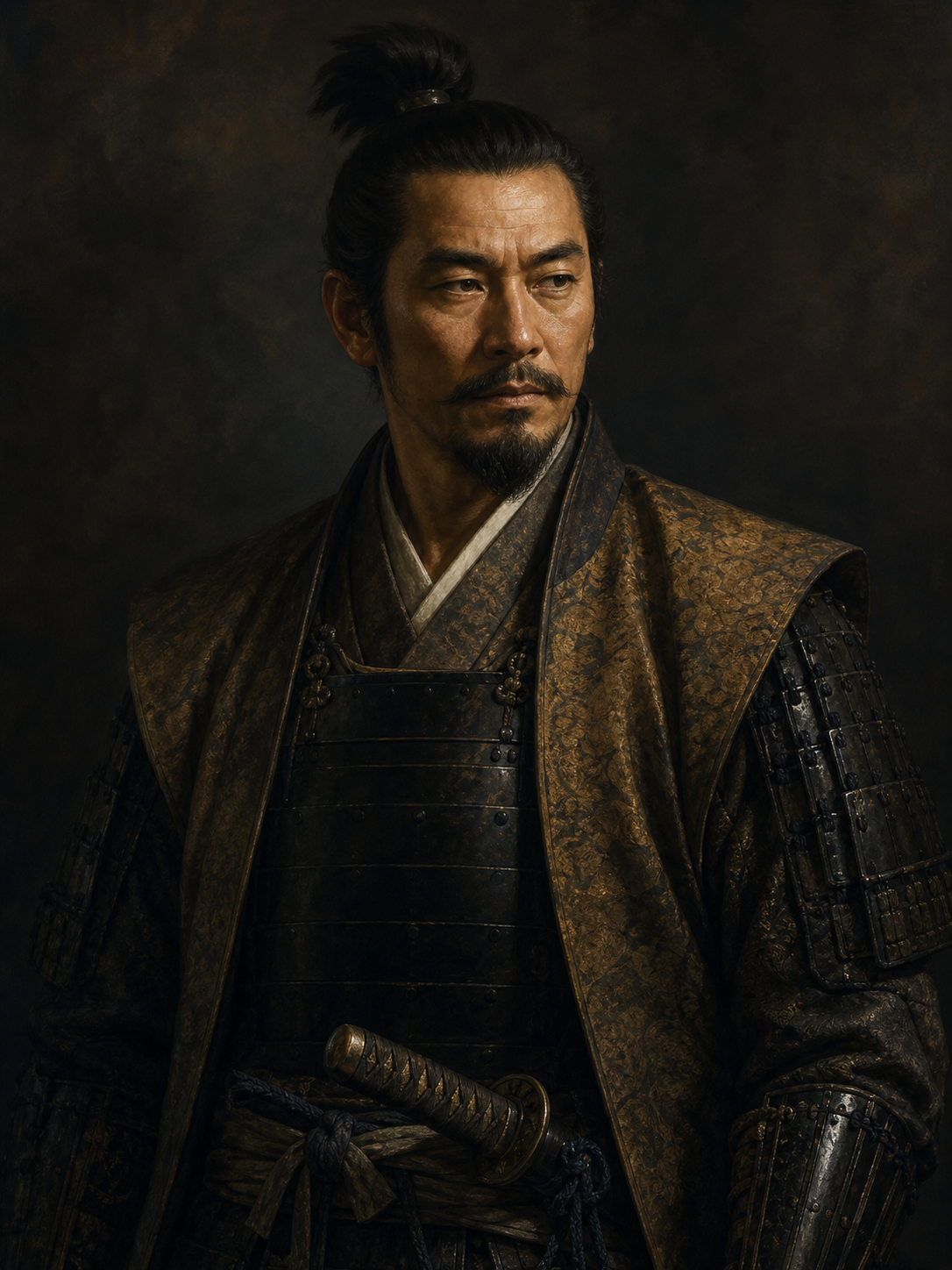
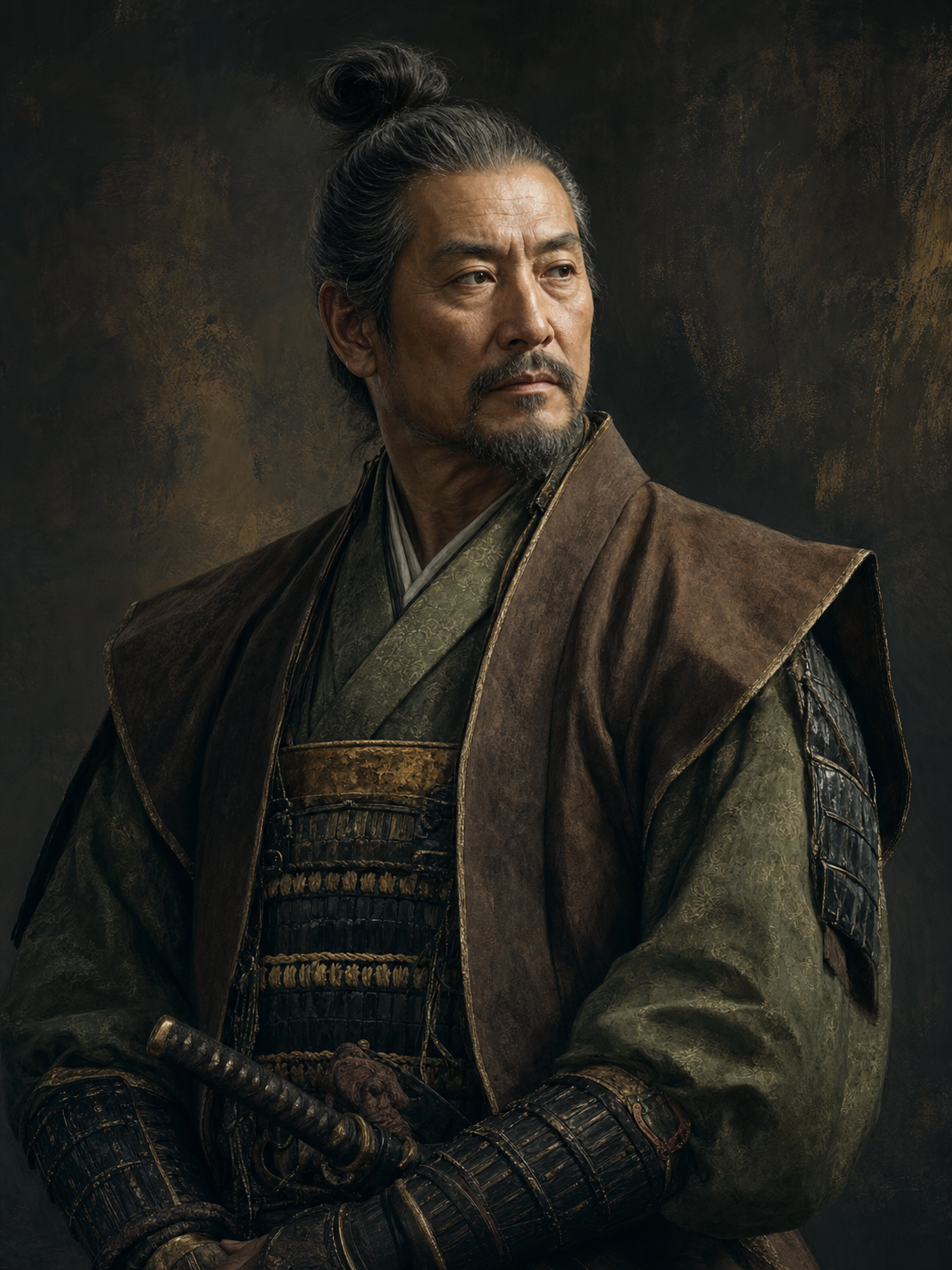
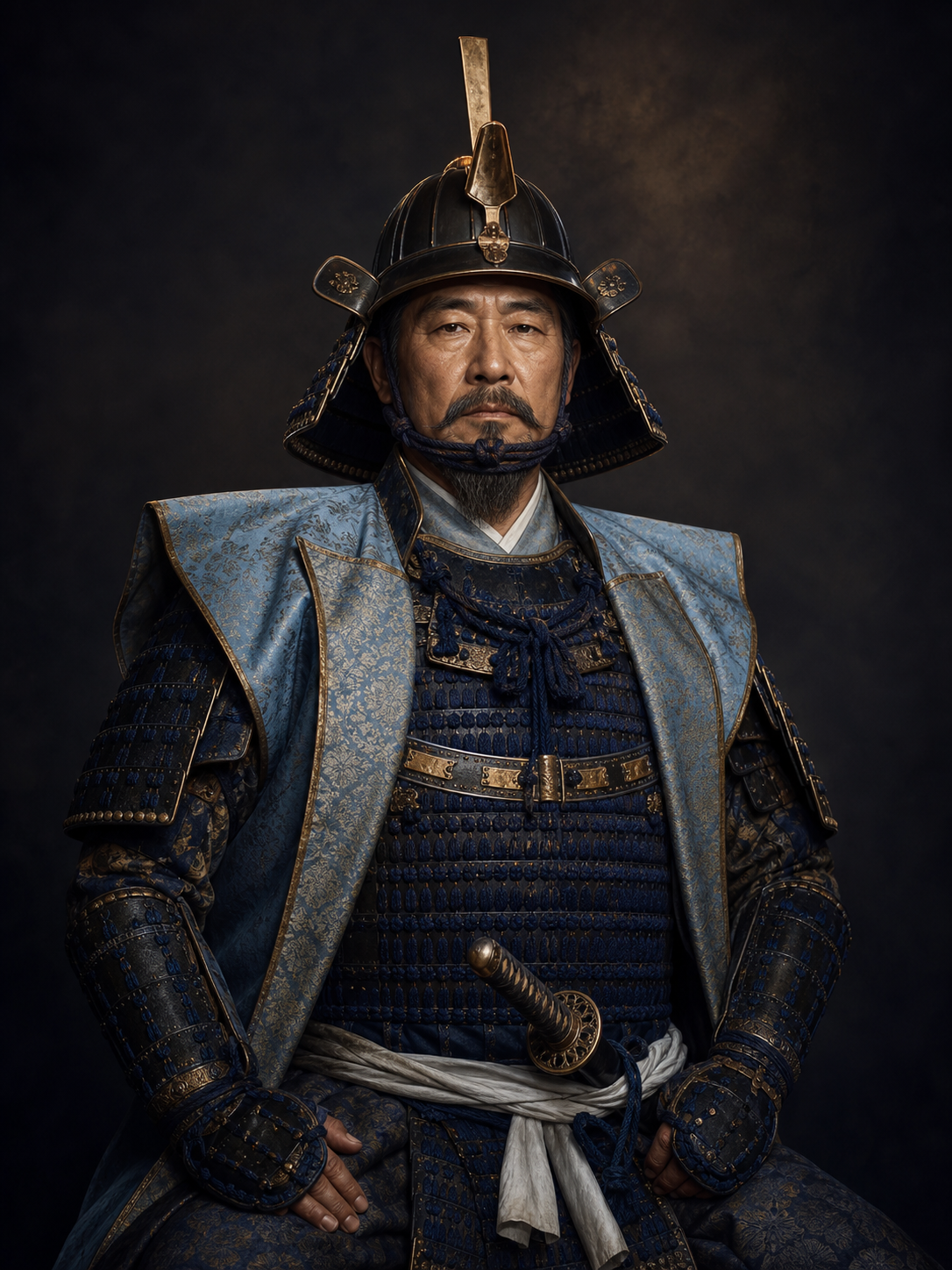
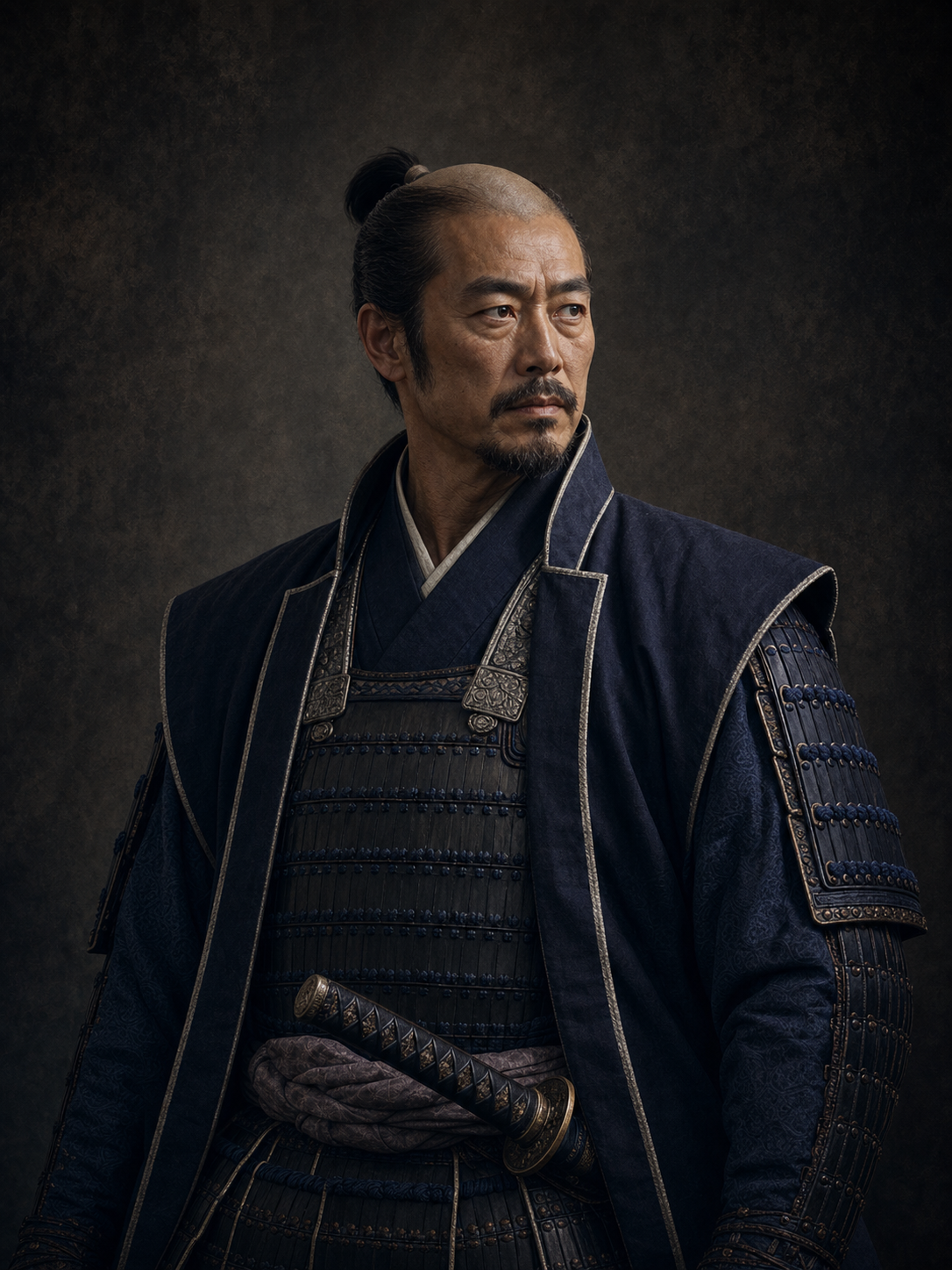
A daimyo was a lord who controlled a territory large enough to support a private army, and who governed it in his own name. The word combines "great" and "name" — in origin, a great landholder.
If you remember one thing: samurai served, daimyo ruled. Every famous warlord on this site — Oda Nobunaga, Takeda Shingen, Date Masamune — was a daimyo, and the men around them were their retainers.
Where daimyo came from
Before the Onin War, provinces were governed by military governors appointed by the shogun, most of whom lived in Kyoto and left the actual administration to deputies. When central authority collapsed after 1467, those deputies — and sometimes their deputies — kept the provinces for themselves.
The lords who emerged are called sengoku daimyo to distinguish them from the earlier appointed governors. They held their land by force and by local consent rather than by appointment, and they behaved accordingly: writing their own laws, surveying their own land, and making their own foreign policy.
What a daimyo actually did
Governing a Sengoku domain was mostly not warfare. The surviving documents are full of:
- Law — house codes such as the Takeda's Koshu Hatto no Shidai or the Chosokabe's hundred articles, covering inheritance, disputes, taxes and criminal penalties.
- Land and taxes — surveys of who farmed what, and what share of the harvest was owed.
- Infrastructure — flood control, mining, roads, and the castle town where merchants and artisans were concentrated.
- Marriage diplomacy — alliances sealed by marriages and adoptions, and broken when circumstances changed.
- Retainer management — assigning land and stipends in a way that kept powerful vassals loyal and unable to combine against him.
Daimyo, shogun and emperor
Three layers of authority coexisted, and only one of them commanded soldiers:
| What they held | Real power in the Sengoku period |
|---|
| Emperor | Religious and ceremonial legitimacy; the authority to grant court rank | Almost no material power; extremely useful as a source of legitimacy |
|---|
| Shogun | Formal military rule delegated by the emperor | By 1500, effectively none outside Kyoto — see shogun |
|---|
| Daimyo | Land, taxes, castles and armies | Everything that mattered on the ground |
|---|
Daimyo and samurai
A daimyo was himself of the warrior class, so in that sense every daimyo was a samurai. The distinction is one of position: a daimyo held territory and commanded retainers; samurai were the retainers.
The relationship was reciprocal and conditional. A lord who could not protect or reward his retainers lost them, and Sengoku history is full of retainers who transferred allegiance, or who removed their lord and took his place — the pattern called gekokujo.
The end of the independent daimyo
After Toyotomi Hideyoshi completed the unification in 1590, daimyo stopped being independent. Under Tokugawa Ieyasu and his successors they became domain administrators inside a national system: limited to one castle each, forbidden to marry without permission, required to spend alternate years in Edo, and liable to be transferred or abolished.
The title survived until 1871, when the domains were abolished and replaced by prefectures.
Major daimyo of the Sengoku period
Each of these men ran a territory the size of a small European country.
Frequently asked questions
Q. What is the difference between a daimyo and a samurai?
A daimyo was a territorial lord; samurai were the warriors who served him. All daimyo were of the warrior class, but only a small number of warriors were daimyo.
Q. Was a daimyo higher than a shogun?
No. The shogun outranked every daimyo in principle. During the Sengoku period, however, the shogunate had lost the power to enforce that rank.
Q. How many daimyo were there?
It varied constantly as houses rose and were destroyed. Under the Tokugawa settlement, the number of recognised domains stabilised at roughly 250 to 300.