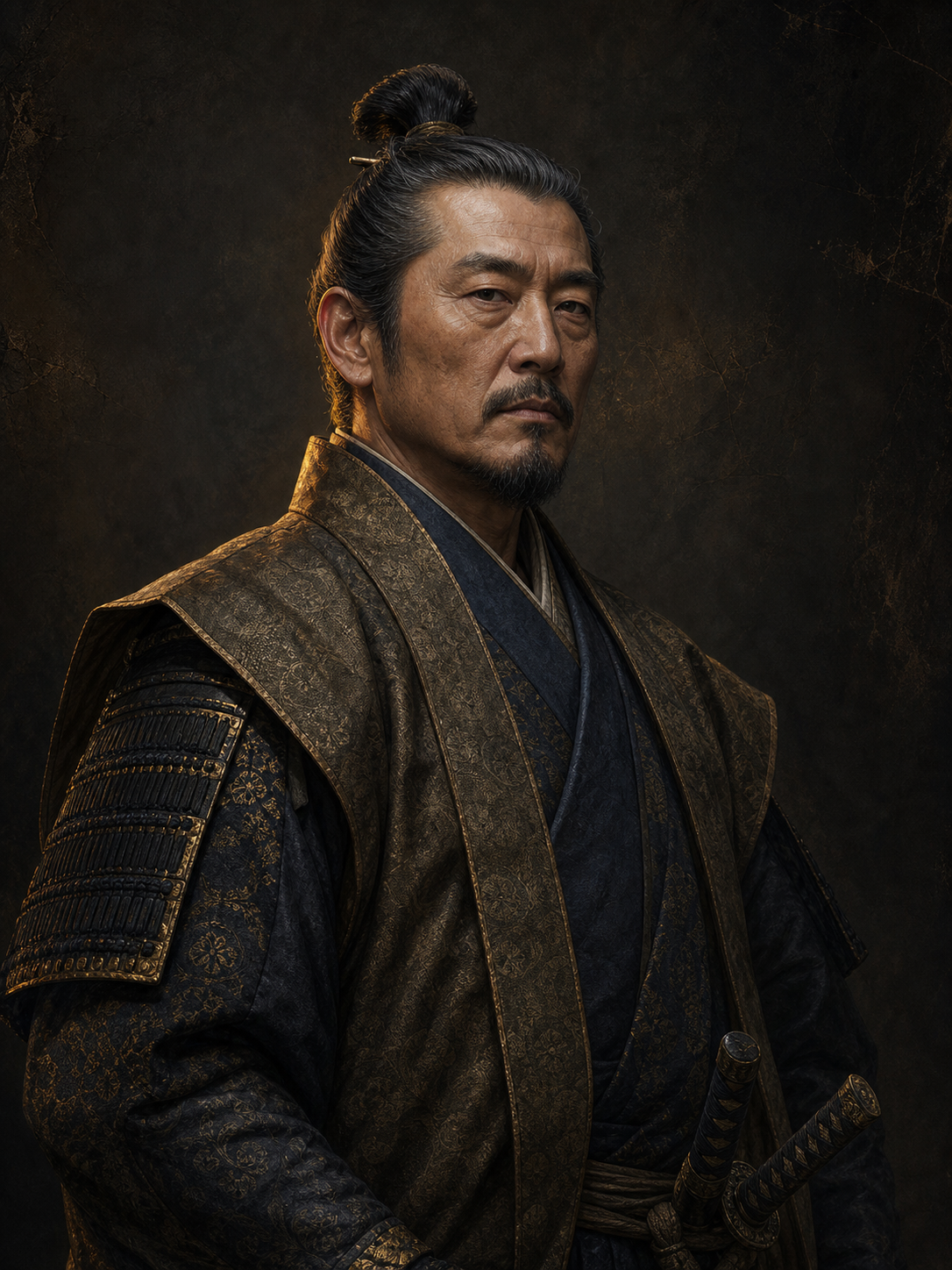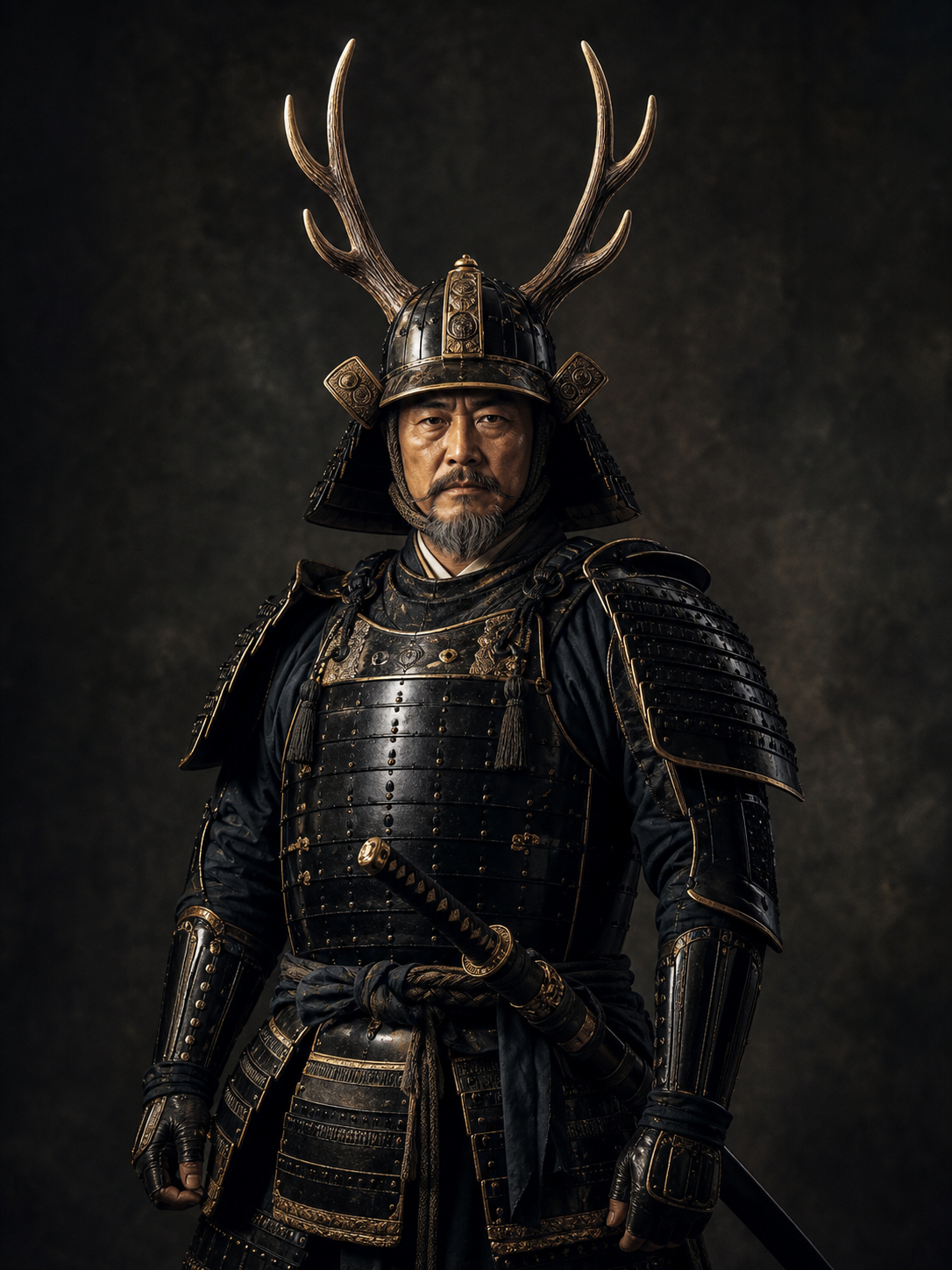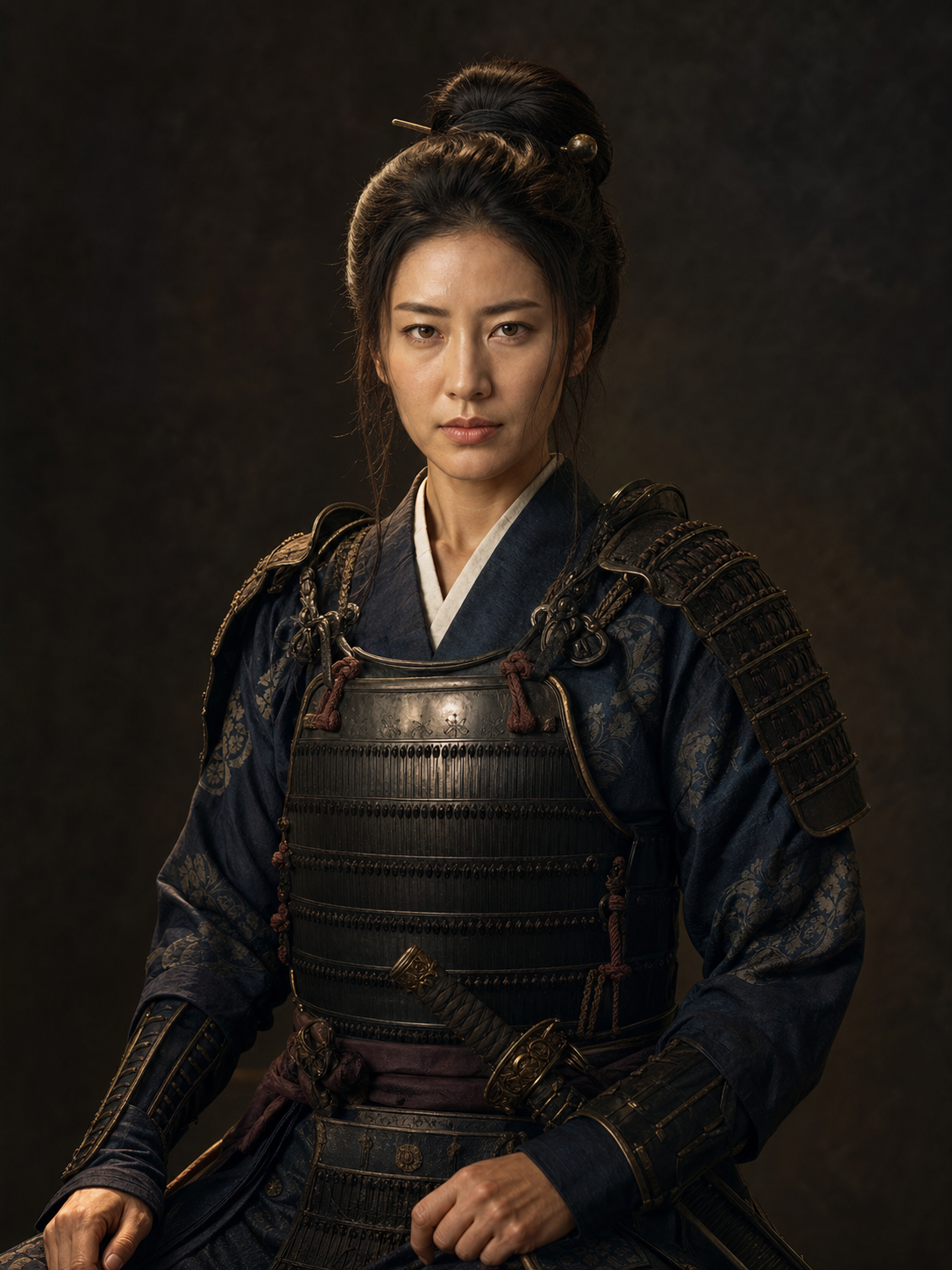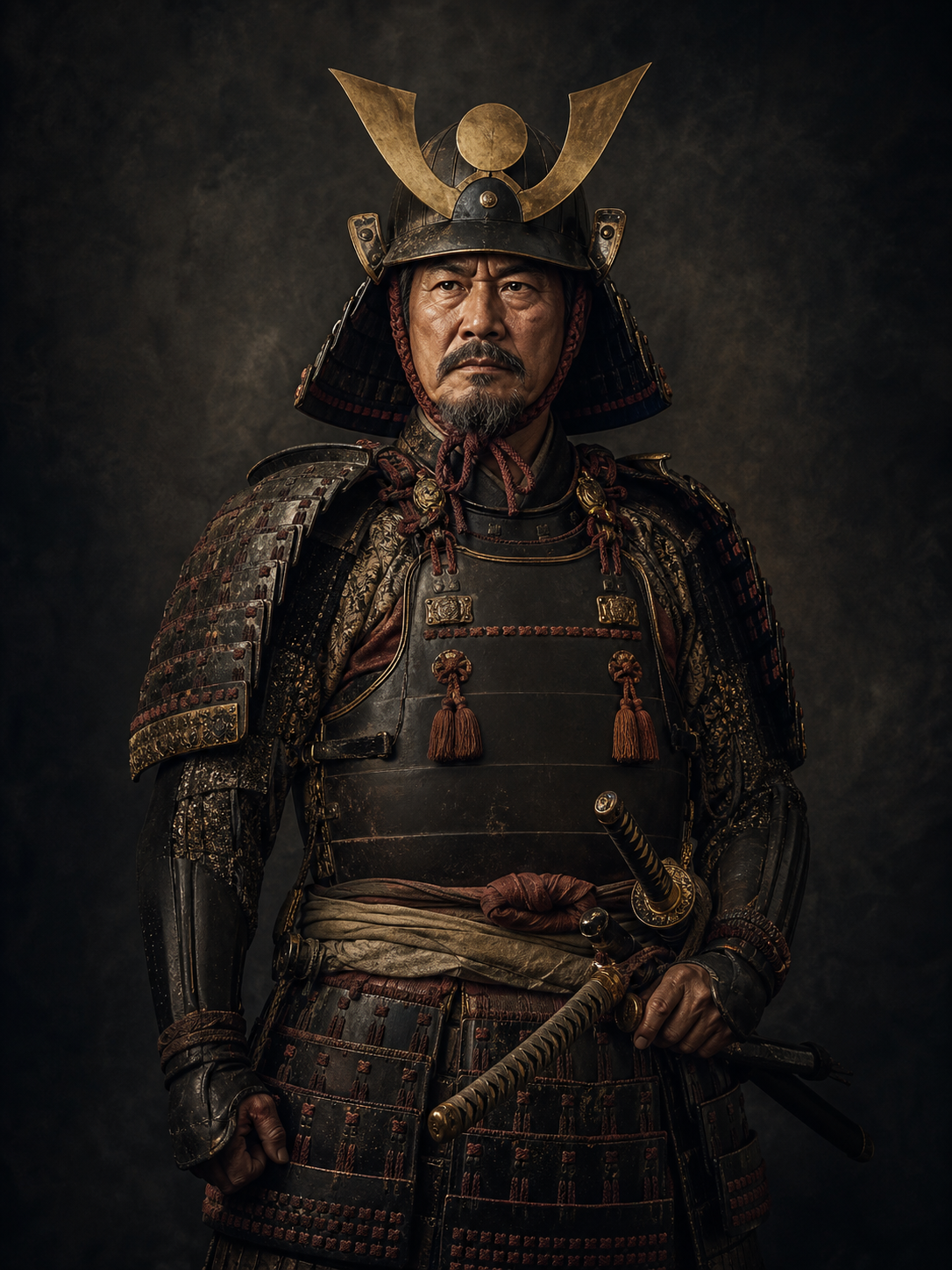
Who was Naomasa?
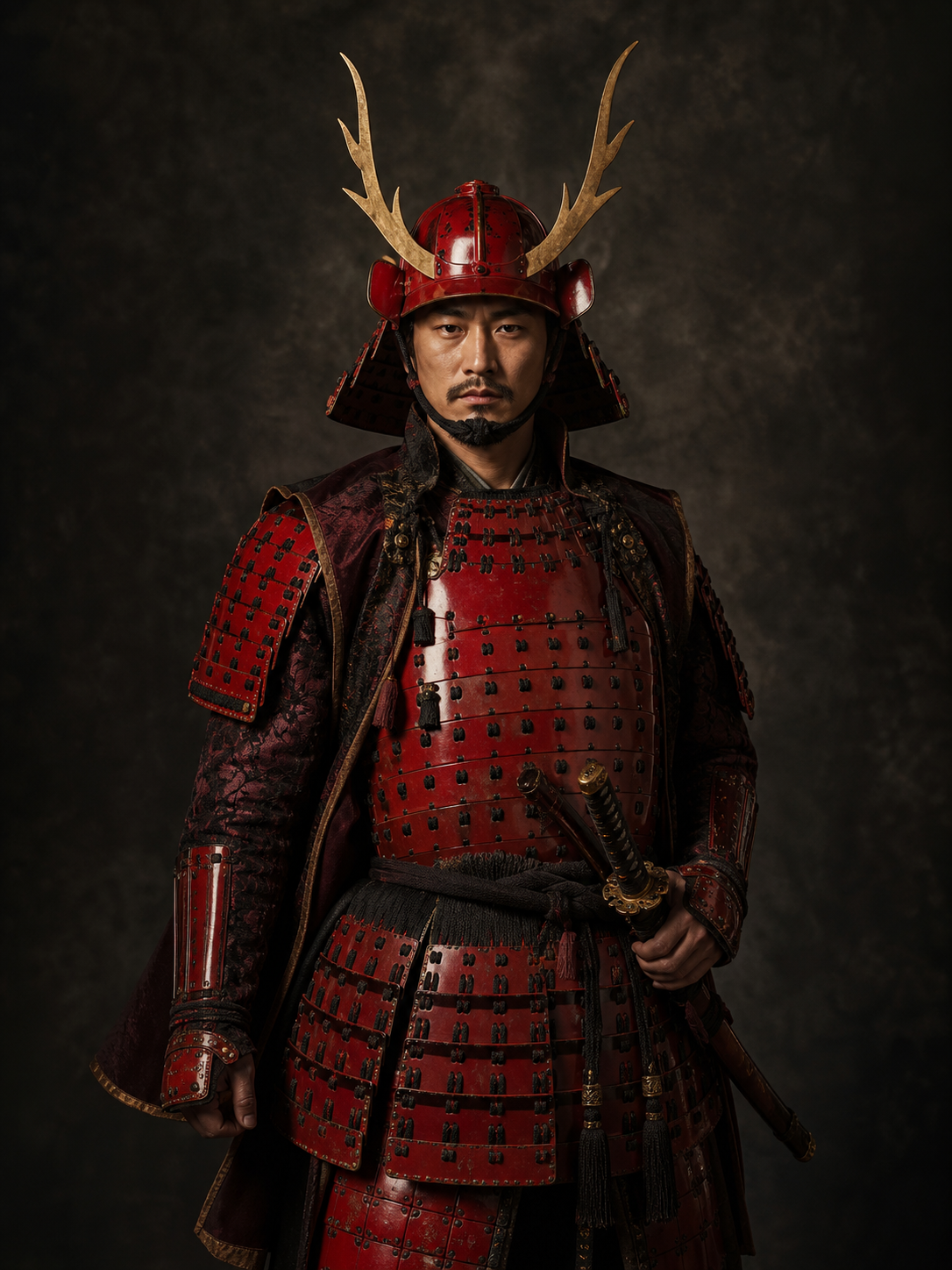
Ii Naomasa (1561–1602) commanded the most feared unit in the Tokugawa army: a formation equipped entirely in red-lacquered armour, known to its opponents as the Ii no Akazonae, the "Red Devils". He was the youngest of the four generals called the Tokugawa Shitenno.
His family had been nearly destroyed before he was old enough to fight. He was raised in hiding, brought into Tokugawa Ieyasu's service as a teenager, and rose to be one of the highest-ranked men in the new shogunate's structure.
Why is Naomasa important?
- He created and led the red-armoured Ii unit, which became the Tokugawa army's shock force and a lasting symbol of it.
- He absorbed a large body of former Takeda retainers after 1582 and turned them into a cohesive command.
- At Sekigahara he opened the battle with an unauthorised advance and later pursued the retreating Shimazu, taking the wound that eventually killed him.
- He handled much of the Tokugawa's post-Sekigahara negotiation with defeated houses, including the Shimazu settlement.
A hunted childhood
The Ii were retainers of the Imagawa in Totomi Province. After a series of purges and battlefield deaths wiped out the adult male line, the house was held together by Ii Naotora, recorded as its head under the name Jiro Hoshi, and the infant Naomasa was hidden away for years.
He entered Ieyasu's service around 1575 and was rapidly promoted. When the Takeda were destroyed in 1582, Ieyasu assigned many of their veteran retainers to Naomasa — and with them, the practice of equipping a unit in a single striking colour, which the Takeda general Yamagata Masakage had used.
The Red Devils
Uniform red armour was not decoration. It made the unit instantly identifiable on a smoky battlefield, to its own side and to the enemy, and it advertised that these troops would be committed at the decisive point. The Ii unit led attacks at Battle of Komaki and Nagakute and at Battle of Sekigahara.
The tradition continued after Naomasa's death: the Ii house of Hikone kept the red armour into the nineteenth century.
Sekigahara and death
At Sekigahara, Naomasa pushed his men past the designated vanguard to open the fighting himself — a breach of orders that was treated afterwards as admirable rather than punished. Later in the day he joined the pursuit of Shimazu Yoshihiro's force as it broke out through the Tokugawa lines, and was hit by a gunshot.
He recovered enough to take up the new domain of Hikone on Lake Biwa and to conduct the negotiations that let the Shimazu keep their lands. He died in 1602, and the wound is the usual explanation given.
Legacy
Hikone Castle, begun by his family after his death, is one of only twelve Japanese castles with an original main keep still standing, and one of five designated national treasures.
The Ii house remained politically important for the whole Edo period; a descendant, Ii Naosuke, was the shogunate official assassinated in 1860 for opening Japan to foreign trade.