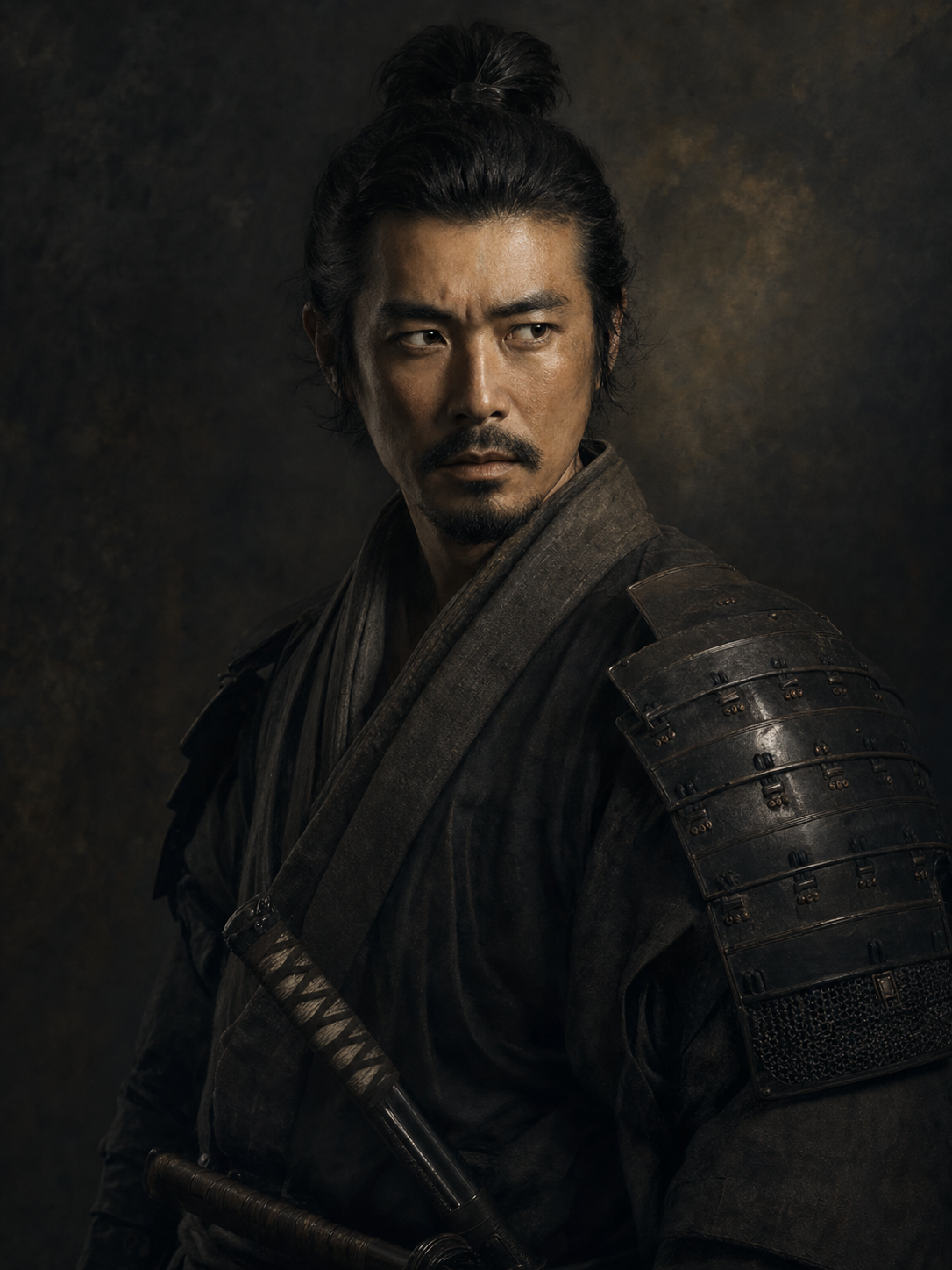
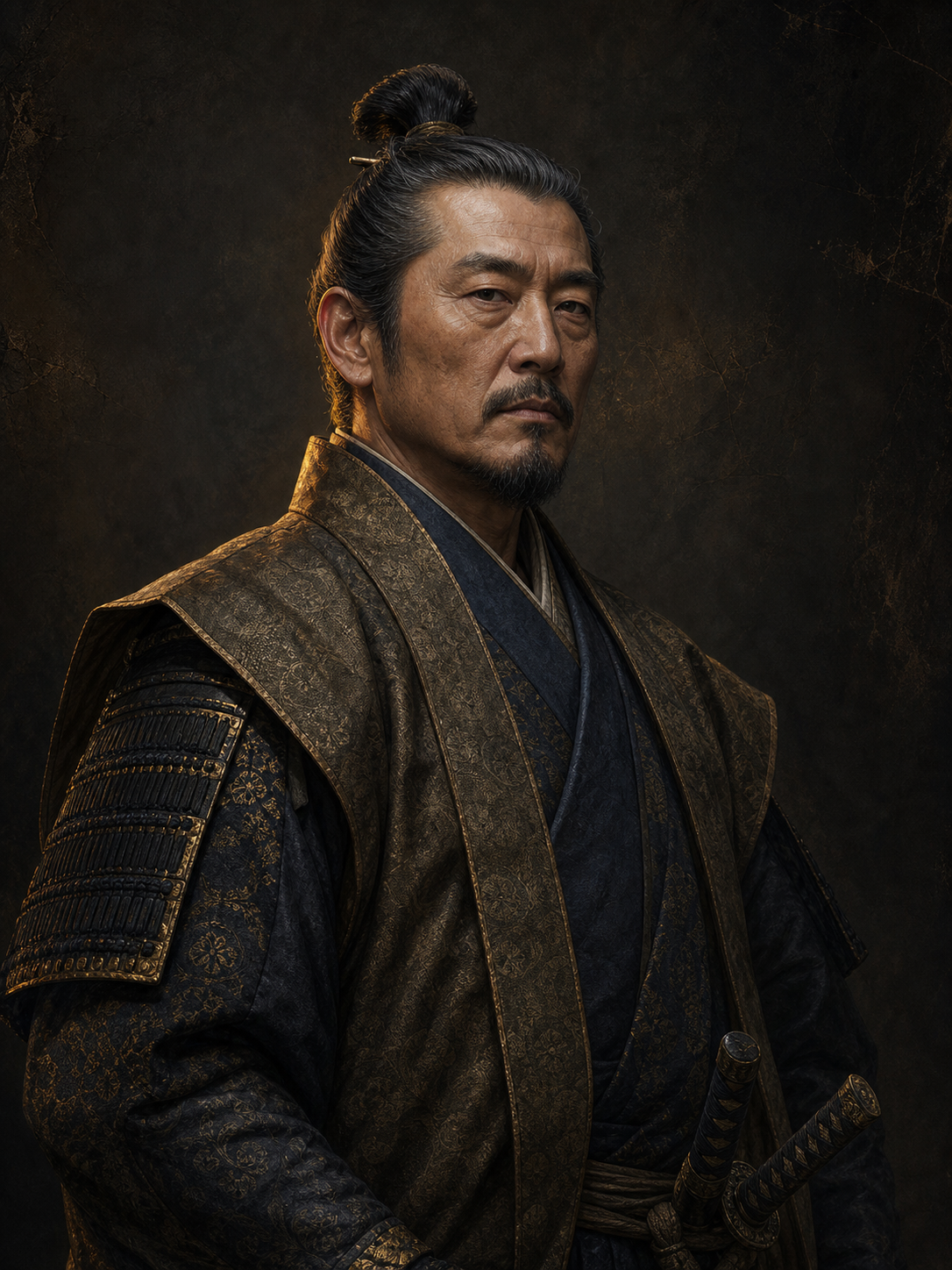
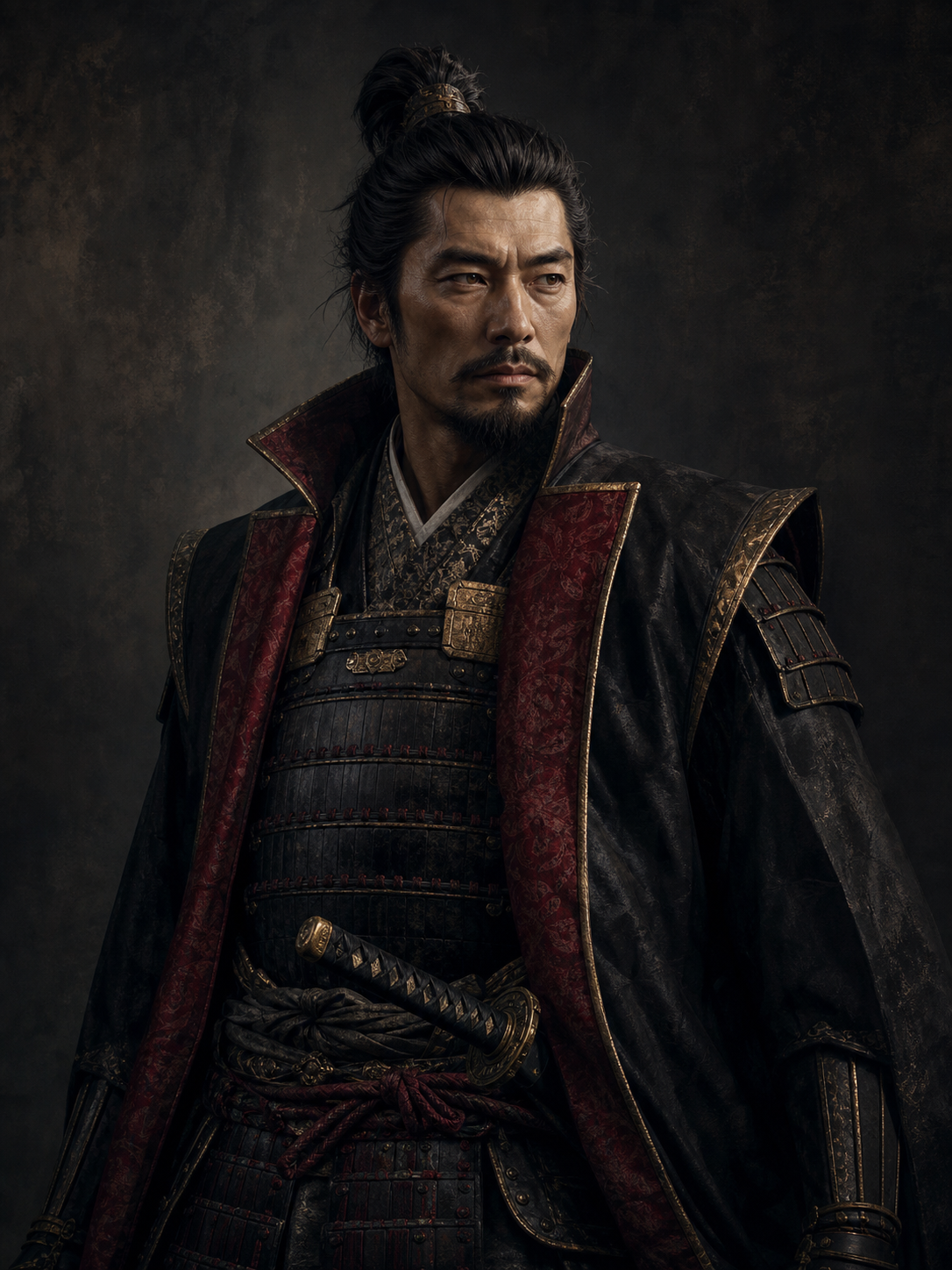
Shinobi were real. Sengoku lords employed people to scout enemy territory, gather information, spread rumours, set fires, and get into places that armies could not. That work is documented in contemporary letters, in castle records, and in the fact that lords paid for it.
Almost everything else that the word "ninja" brings to mind — the black suit, the throwing stars as a signature weapon, the secret clans of assassins, the mystical training — comes from Edo-period theatre and twentieth-century film, manga and games.
Ninja or shinobi?
They are the same two characters, 忍者, read differently. "Shinobi" is the older Japanese reading and the one that appears in period sources; "ninja" is the Sino-Japanese reading that became standard in the twentieth century and travelled into English.
Period documents more often use terms like shinobi, suppa, rappa or kusa — words that mean something closer to "scout", "raider" or "one who hides in the grass" than to "assassin".
What shinobi actually did
The recorded work is unglamorous and militarily valuable:
- Reconnaissance — counting garrisons, mapping approaches, judging the state of supplies inside a besieged castle.
- Infiltration — getting inside a fortress to open a gate, or to identify who could be bribed to open it.
- Arson — setting fires inside a castle or a supply depot, one of the most effective tools available.
- Rumour and deception — spreading false information to provoke a defection or a wrong decision.
- Guiding — leading friendly forces through unfamiliar mountain terrain, which is what mattered most in Hattori Hanzo's famous escort of Tokugawa Ieyasu through Iga in 1582.
Iga and Koga
Two neighbouring regions became associated with this work: Iga Province, in what is now western Mie Prefecture, and Koga, in southern Shiga. Both were mountainous, poor in rice, close to the capital region, and governed by leagues of small warrior households rather than by a single lord.
That political structure is the key. With no daimyo to serve, Iga and Koga households hired themselves out to whoever was fighting nearby, and specialised in the kind of work small independent groups could do well.
It ended badly for Iga. In 1581 Oda Nobunaga invaded with a large army and devastated the province. Survivors scattered across central Japan — and a year later, when Nobunaga was killed, some of them were the men who escorted Ieyasu to safety.
Hattori Hanzo
The most famous name in ninja history was a spear-carrying Tokugawa officer. Hattori Hanzo came from a family with Iga origins and commanded Iga men in Tokugawa service, which is a different thing from being a shinobi himself.
After his death, the Iga men in Tokugawa service became a formal guard unit at Edo Castle. The gate they were stationed at is still called Hanzomon in Tokyo today.
Where the modern ninja came from
The black costume comes from the stage. In Edo-period kabuki and puppet theatre, stagehands who moved props in view of the audience wore black to signal "not present". A character who appeared suddenly in that costume was a striking effect, and it stuck.
The rest accumulated over the following centuries: the ninja as a secret order in Edo popular novels, the Sanada Ten Braves in early twentieth-century boys' fiction, the ninja boom in Japanese film and manga from the 1950s and 1960s, and then the global export through Hollywood, games and anime.
The Bansenshukai, an encyclopaedic manual of shinobi techniques, is a genuine document — but it was compiled in 1676, after the wars, by a man arguing that these skills should be preserved.
What about throwing stars and ninjato?
Small throwing blades existed and were used by various warriors, but they were a minor tool, not a signature weapon. The straight-bladed "ninja sword" of films has no good historical basis.
The tools that show up in serious accounts are ordinary and practical: rope, grapples, tools for climbing and digging, fire-starting equipment, disguises, and forged documents.