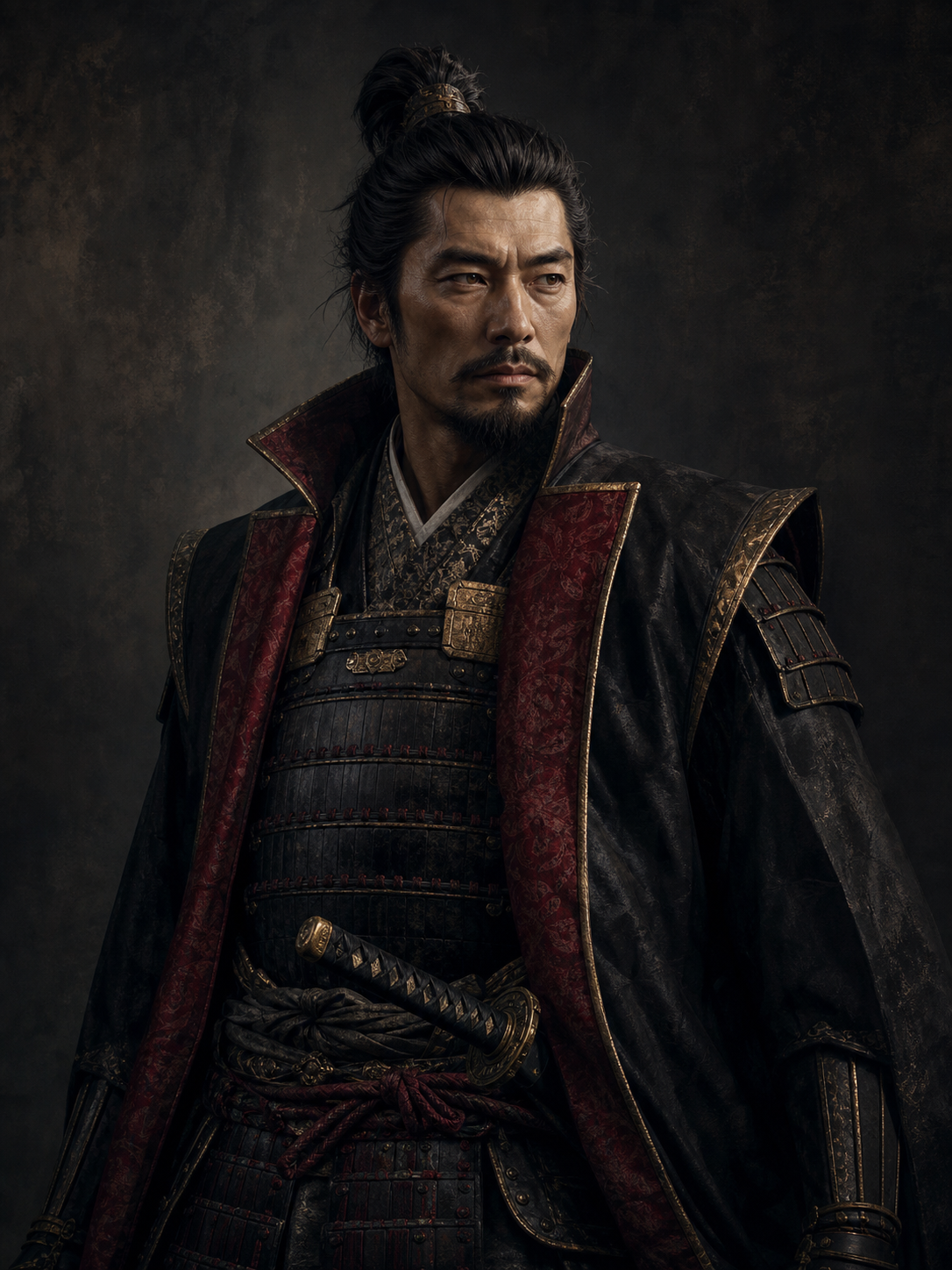
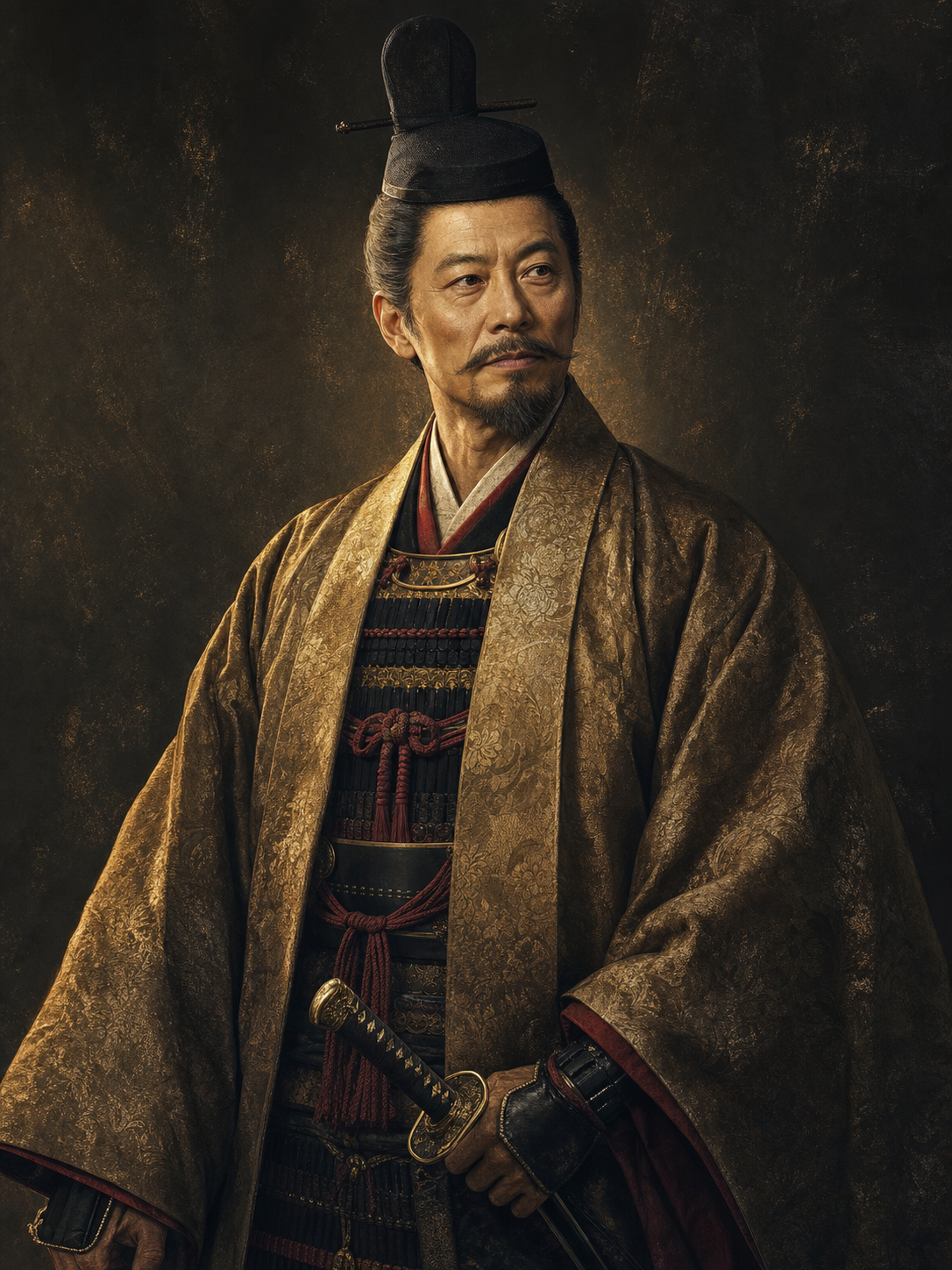
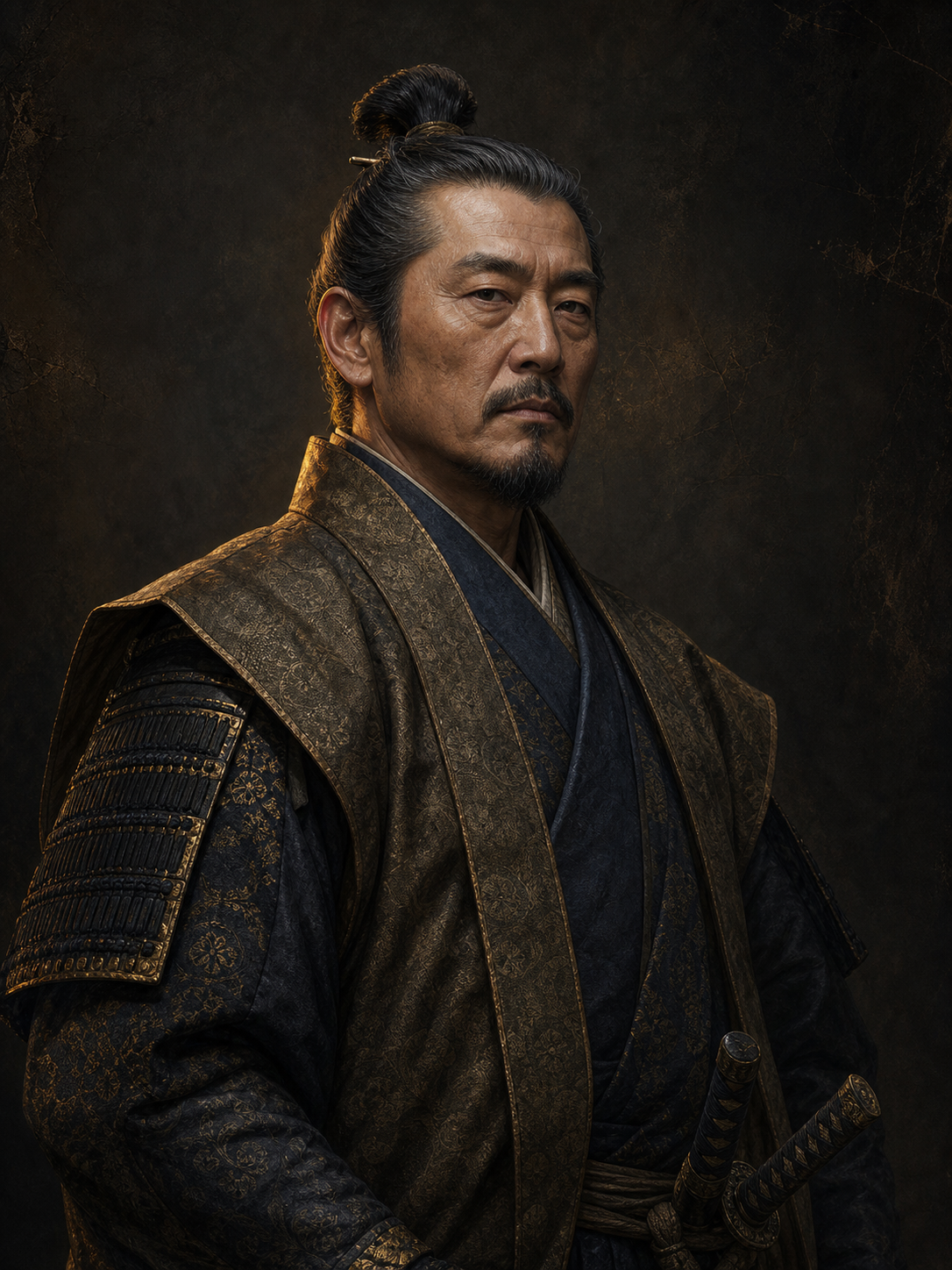
Japanese tradition groups three men together as the unifiers of the country: Oda Nobunaga, who broke the old order; Toyotomi Hideyoshi, who completed the conquest; and Tokugawa Ieyasu, who made the result last.
They were not a team. Hideyoshi and Ieyasu were both Nobunaga's subordinates or allies, they fought each other after his death, and each built on — and dismantled parts of — what the previous one had done.
The three at a glance
| Person | Role in unification | What he actually achieved |
|---|
| Oda Nobunaga (1534–1582) | Began the unification | Destroyed the Ashikaga shogunate and the armed Buddhist orders; took the central provinces; killed by his own general with the work unfinished |
|---|
| Toyotomi Hideyoshi (1537–1598) | Completed the conquest | Unified the whole country by 1590; surveyed the land, disarmed the villages, fixed the class order; invaded Korea disastrously |
|---|
| Tokugawa Ieyasu (1543–1616) | Made the settlement permanent | Won at Sekigahara, took the title of shogun in 1603, and built a system that outlasted him by 250 years |
|---|
The rice cake verse
A well-known set of Japanese verses compares the three through the making of a rice cake: Nobunaga pounds the rice, Hideyoshi shapes it, and Ieyasu sits down and eats it. Another version compares how each would deal with a cuckoo that will not sing — kill it, coax it, wait for it.
These are Edo-period jokes, composed under Tokugawa rule, and they flatten all three men into single traits. Nobunaga was a careful economic administrator as well as a destroyer; Hideyoshi was ruthless as well as charming; Ieyasu was aggressive when the situation allowed it. Use the verses as a mnemonic, not as an analysis.
What each one contributed
Nobunaga demonstrated that national unification was possible. He built a permanent paid army rather than seasonal levies, invested heavily in firearms, opened his castle towns to free trade, and removed the institutions — the shogunate, the temple armies, the old provincial houses — that made a unified state impossible.
Hideyoshi finished the conquest and, more durably, built the administrative machinery. His land surveys created a single measure of wealth across the country. The sword hunt and the class separation edicts ended the possibility of village uprisings on the old scale, and turned the warrior class into a distinct, registered group.
Ieyasu solved the problem neither of the others had: succession. He took a hereditary title, transferred it to his son within two years, and designed a system of controls over the daimyo that made another Sengoku period structurally difficult.
Where they broke with each other
Hideyoshi kept Nobunaga's economic policies and abandoned his openness to foreign missionaries, beginning the restrictions on Christianity that the Tokugawa completed.
Ieyasu kept Hideyoshi's land system and abandoned his foreign war, withdrawing from Korea and rebuilding relations with the continent. He also destroyed Hideyoshi's family, which was the price of the settlement.
Their battles
The three unifiers