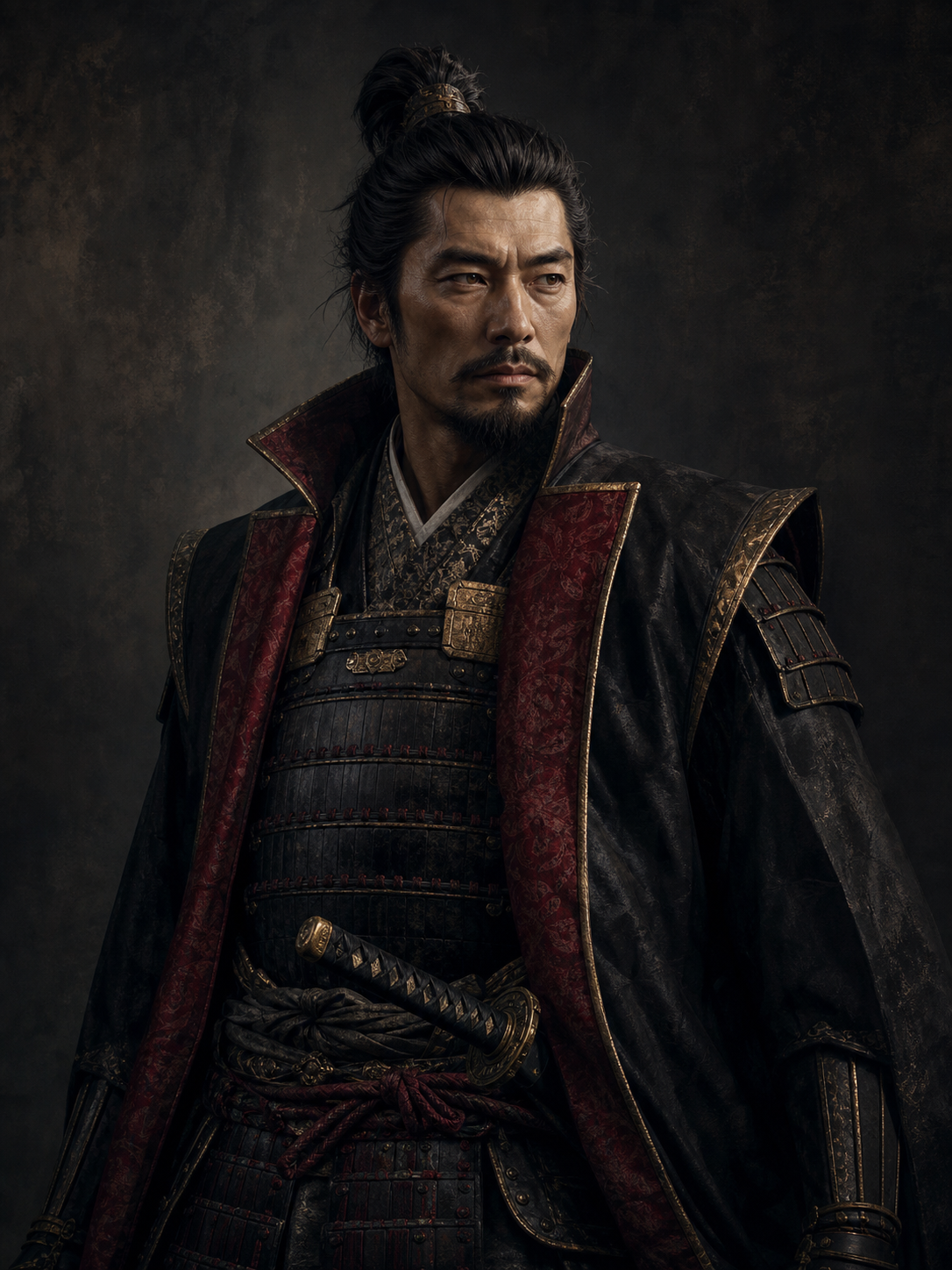
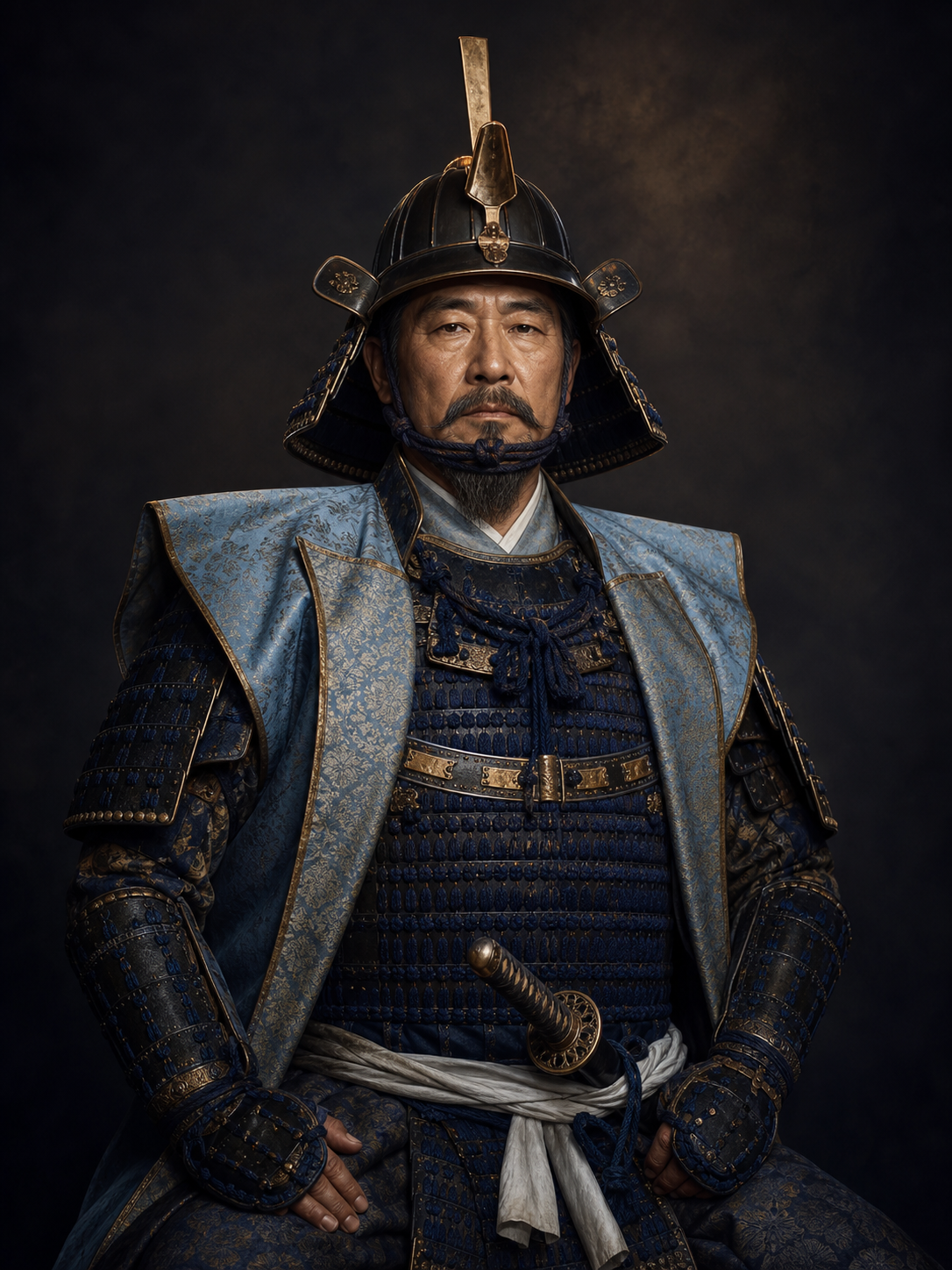
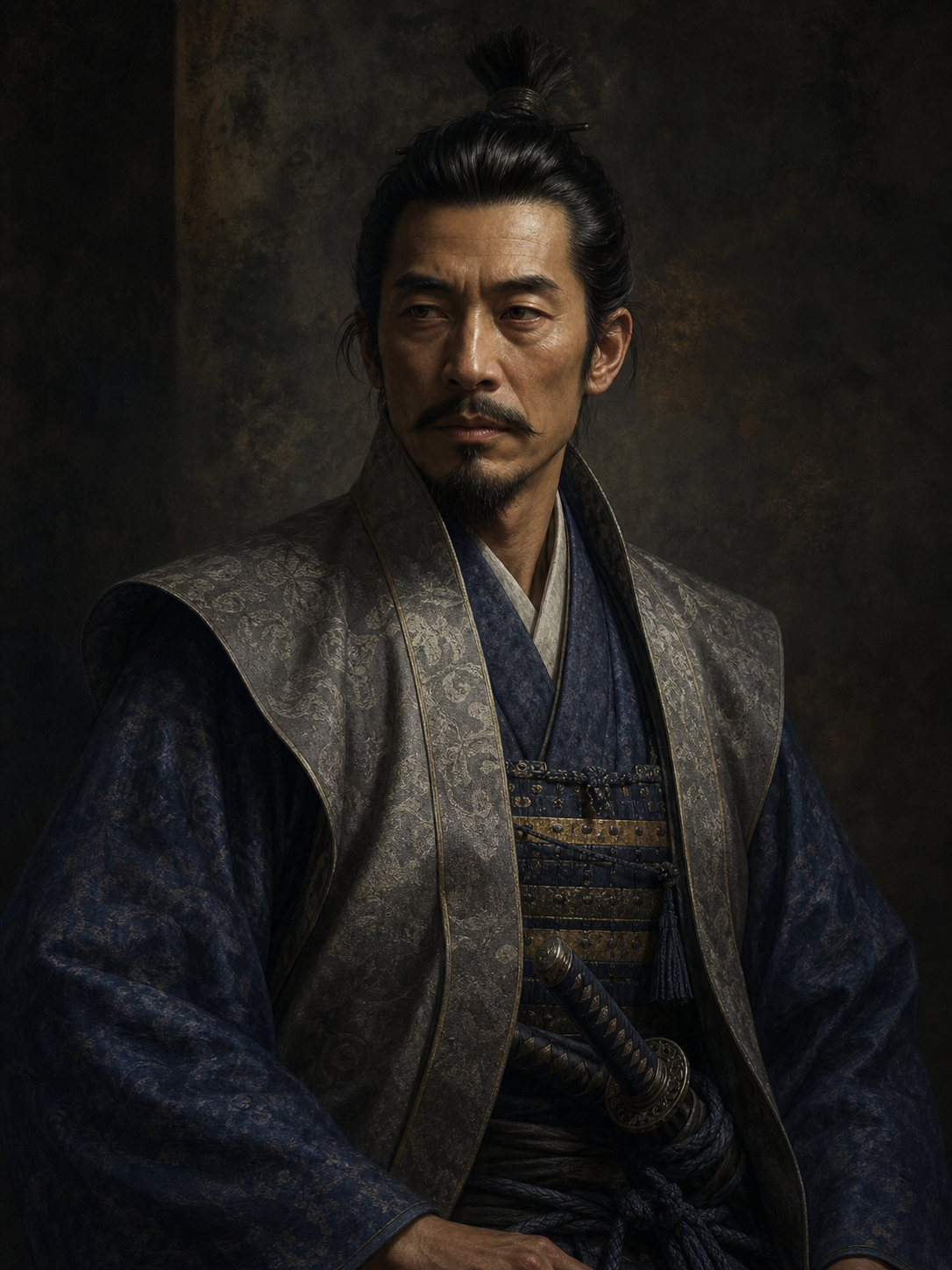
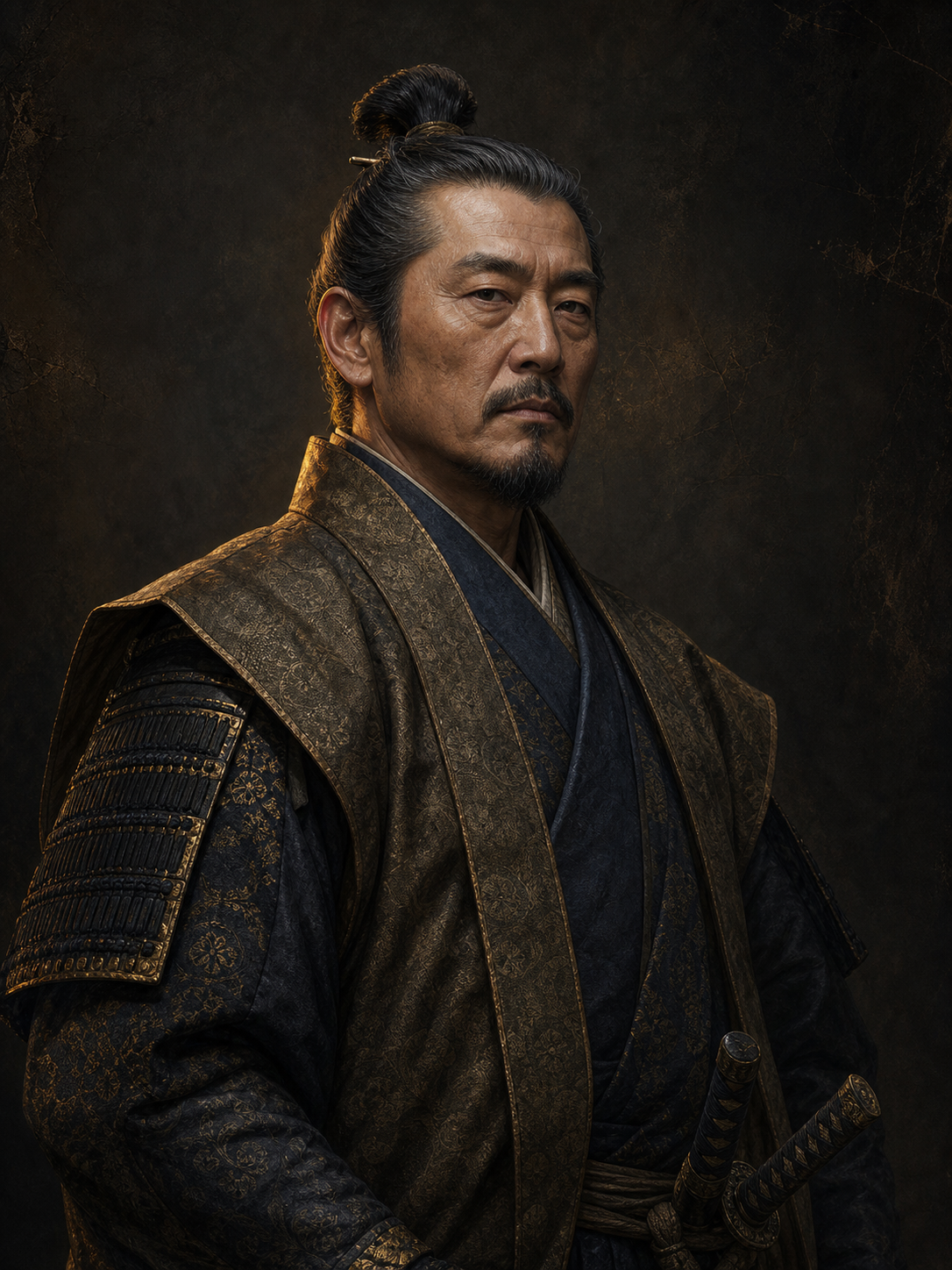
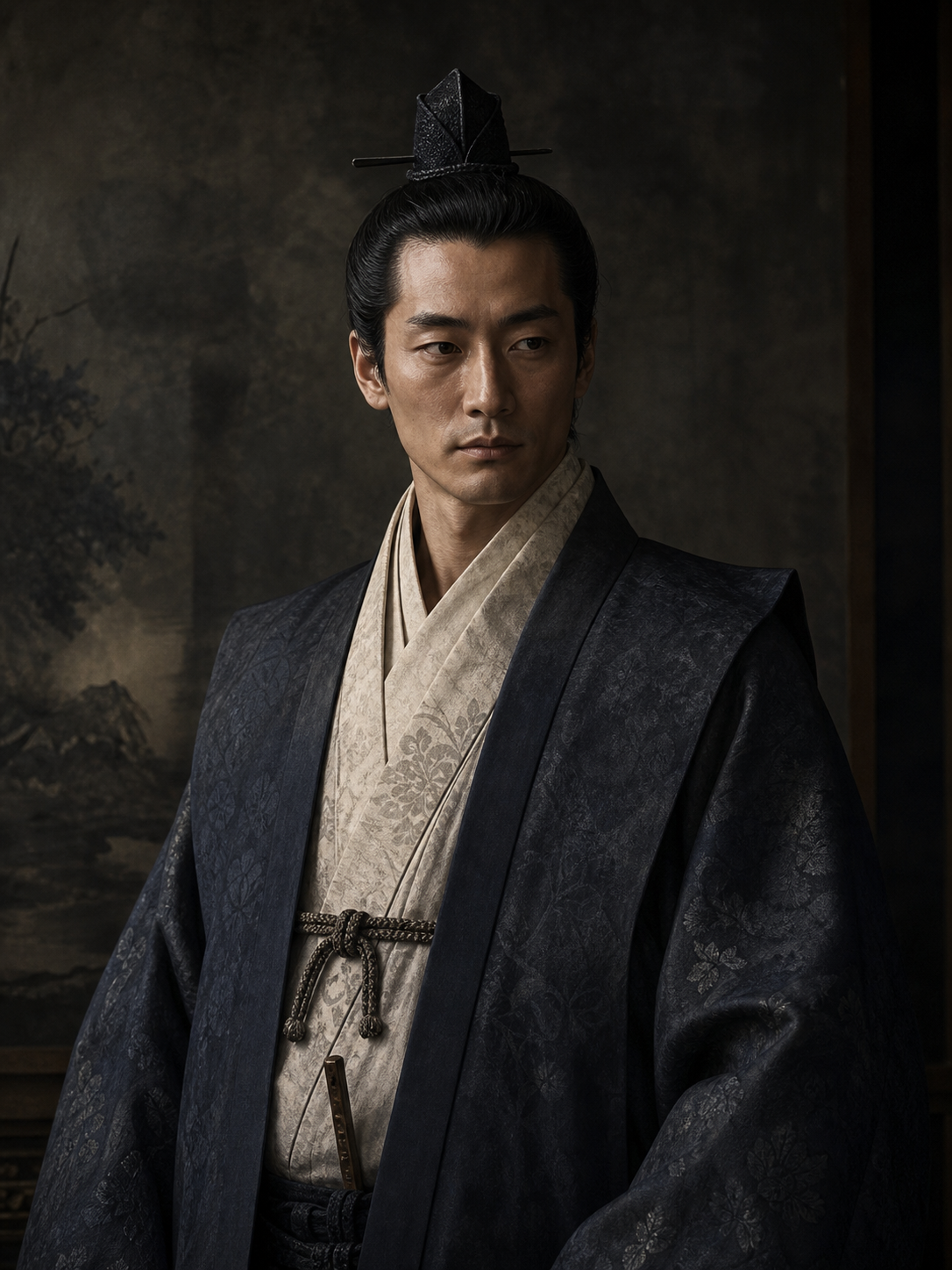
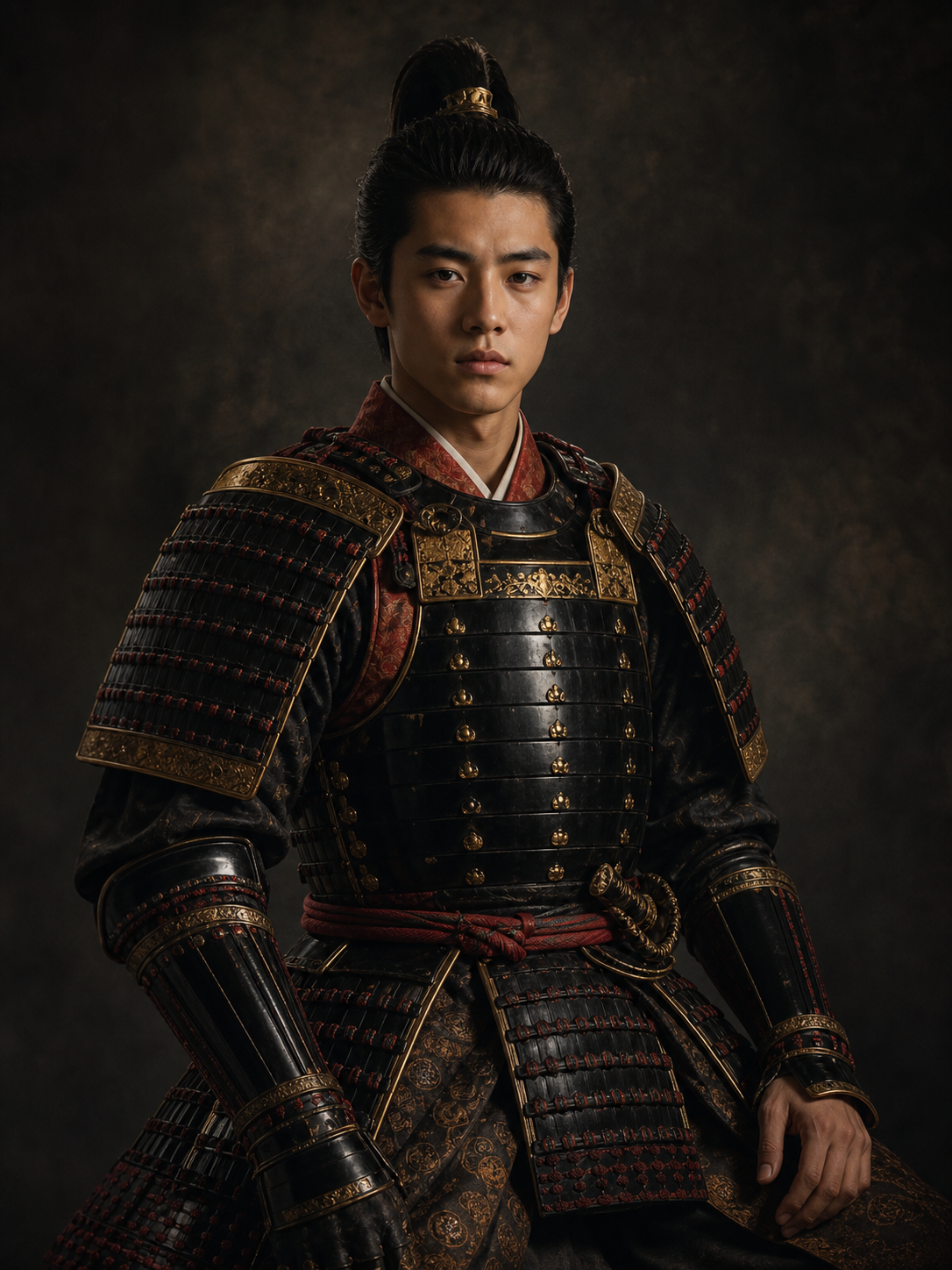
The Sengoku period is the century and a half when Japan had no functioning central government and its provinces fought each other more or less continuously. The name means "the age of the country at war", borrowed from the Warring States period of ancient China.
It is the era almost every image of the samurai comes from: castles, cavalry, matchlock guns, betrayals, and warlords with distinctive helmets. It is also better documented than most people expect, which means the difference between what happened and what was invented later can usually be established.
When did the Sengoku period begin and end?
The conventional start is 1467, when the Onin War broke out in Kyoto between two coalitions of great families. The war lasted ten years, wrecked the capital, and left the Ashikaga shogunate without the authority to govern beyond the city.
The end date is genuinely disputed, and different historians use different ones:
Why did Japan fall into civil war?
Medieval Japan was governed by a shogun in Kyoto who delegated provincial authority to a small number of great military families. Those families held their positions by appointment, and lived in the capital rather than in the provinces they governed. Real administration was done by deputies on the ground.
That arrangement was already brittle when the Onin War broke it. Once the central government could no longer enforce its appointments, the deputies simply kept the provinces they were running. Their retainers then did the same to them where they could. The era named the pattern gekokujo — "the lower overthrows the higher".
The result was a new kind of ruler: the daimyo, who held land because he could defend it, taxed it directly, wrote his own laws for it, and owed nothing to Kyoto but formal courtesy.
How did people actually fight?
The picture of individual mounted samurai duelling belongs to an earlier era. Sengoku warfare was conducted by large combined-arms armies: masses of ashigaru foot soldiers with long spears, bows, and — after firearms arrived through Tanegashima in 1543 — matchlock arquebuses, with mounted samurai as commanders and shock troops.
Most campaigns were about castles, supply and defection rather than pitched battles. Sieges were often settled by starvation or by paying someone inside to open a gate. When the great set-piece battles did happen — Battle of Nagashino, Battle of Sekigahara — they were frequently decided by who had already been bought before the fighting started.
The rise of Oda Nobunaga
For the first ninety years no one could translate regional dominance into national power. That changed with Nobunaga, a lord from a middling family in Owari who destroyed a much larger invading army at the Battle of Okehazama in 1560 and never stopped moving afterwards.
By 1573 he had expelled the last Ashikaga shogun, broken the militant Buddhist orders that had functioned as independent powers, and controlled the centre of the country. He was killed by his own general in 1582 at Honnoji Incident with the job perhaps two-thirds finished.
Hideyoshi's unification
Toyotomi Hideyoshi, born a commoner, avenged Nobunaga within two weeks at the Battle of Yamazaki, beat his rivals inside the Oda organisation, and finished the conquest of Japan at Odawara in 1590.
He then rebuilt the country's administration: nationwide land surveys, a sword hunt that disarmed the villages, and a legal separation between warriors and farmers. He also invaded Korea twice, disastrously. See Japanese Invasions of Korea (1592–1598).
Tokugawa Ieyasu and Sekigahara
Hideyoshi died in 1598 leaving a five-year-old heir. Two years later Tokugawa Ieyasu won the Battle of Sekigahara and in 1603 was appointed shogun. The government he founded lasted 265 years.
The final loose end was the Toyotomi house in Osaka, destroyed in 1615. After that Japan had no large-scale internal warfare until the 1860s.
Key terms
Japanese history writing in English is full of untranslated terms. These are the ones you will meet most often on this site.
| Japanese | English | What it means |
|---|
| 戦国時代 | Sengoku period | Literally "the age of the country at war"; roughly 1467-1600s, Japan's era of civil war. |
|---|
| 大名 | daimyo | A regional lord who controlled land and warriors of his own. Plural is also "daimyo". |
|---|
| 将軍 | shogun | Short for sei-i taishogun, the emperor-appointed military ruler of Japan. |
|---|
| 武士 / 侍 | samurai (bushi) | The warrior class. "Bushi" is the broader Japanese term; "samurai" is the word used in English. |
|---|
| 忍び | shinobi | A scout, spy or infiltrator. "Ninja" is the same two characters read a different way. |
|---|
| 足軽 | ashigaru | Foot soldiers, often recruited from farming villages, who made up the bulk of Sengoku armies. |
|---|
| 家臣 | retainer | A warrior sworn to serve a lord in exchange for land, stipend or protection. |
|---|
| 下剋上 | gekokujo | "The lower overthrows the higher" - the era's pattern of retainers displacing their masters. |
|---|
| 国 (令制国) | province | The old administrative regions (Owari, Kai, Echigo...). They do not match modern prefectures exactly. |
|---|
| 天下統一 | unification of Japan | Bringing the warring provinces under a single authority. |
|---|
| 天下人 | ruler of the realm | A leader who held effective national power, as Nobunaga, Hideyoshi and Ieyasu did in turn. |
|---|
| 関白 | kampaku (imperial regent) | The highest court office a commoner-born ruler could hold. Hideyoshi took it in 1585. |
|---|
| 幕府 | shogunate (bakufu) | The military government headed by a shogun. |
|---|
| 城下町 | castle town | The town that grew around a daimyo's castle - the administrative and commercial centre of a domain. |
|---|
| 本丸 | main keep / inner bailey | The innermost defended enclosure of a Japanese castle. |
|---|
| 合戦 | battle | Used for pitched battles; sieges are described as "siege of ...". |
|---|
| 討死 | killed in battle | Used in Japanese sources for a warrior who died fighting. |
|---|
| 切腹 | seppuku (ritual suicide) | Suicide by disembowelment, used to avoid capture or to accept responsibility. |
|---|
| 刀狩 | sword hunt | Hideyoshi's 1588 order confiscating weapons from non-warriors. |
|---|
| 検地 | cadastral survey | Hideyoshi's land surveys, which fixed tax yields in koku of rice. |
|---|
| 石高 | kokudaka | A domain's assessed yield in koku of rice - the standard measure of a lord's wealth and military obligation. |
|---|
| 鉄砲 | arquebus (matchlock gun) | Introduced through Tanegashima in 1543 and produced in Japan within a few years. |
|---|
| 南蛮 | nanban (European) | Literally "southern barbarian" - the term for Portuguese and Spanish visitors and their goods. |
|---|
| キリシタン | Kirishitan (Japanese Christian) | Japanese converts to Catholicism in the 16th and early 17th centuries. |
|---|