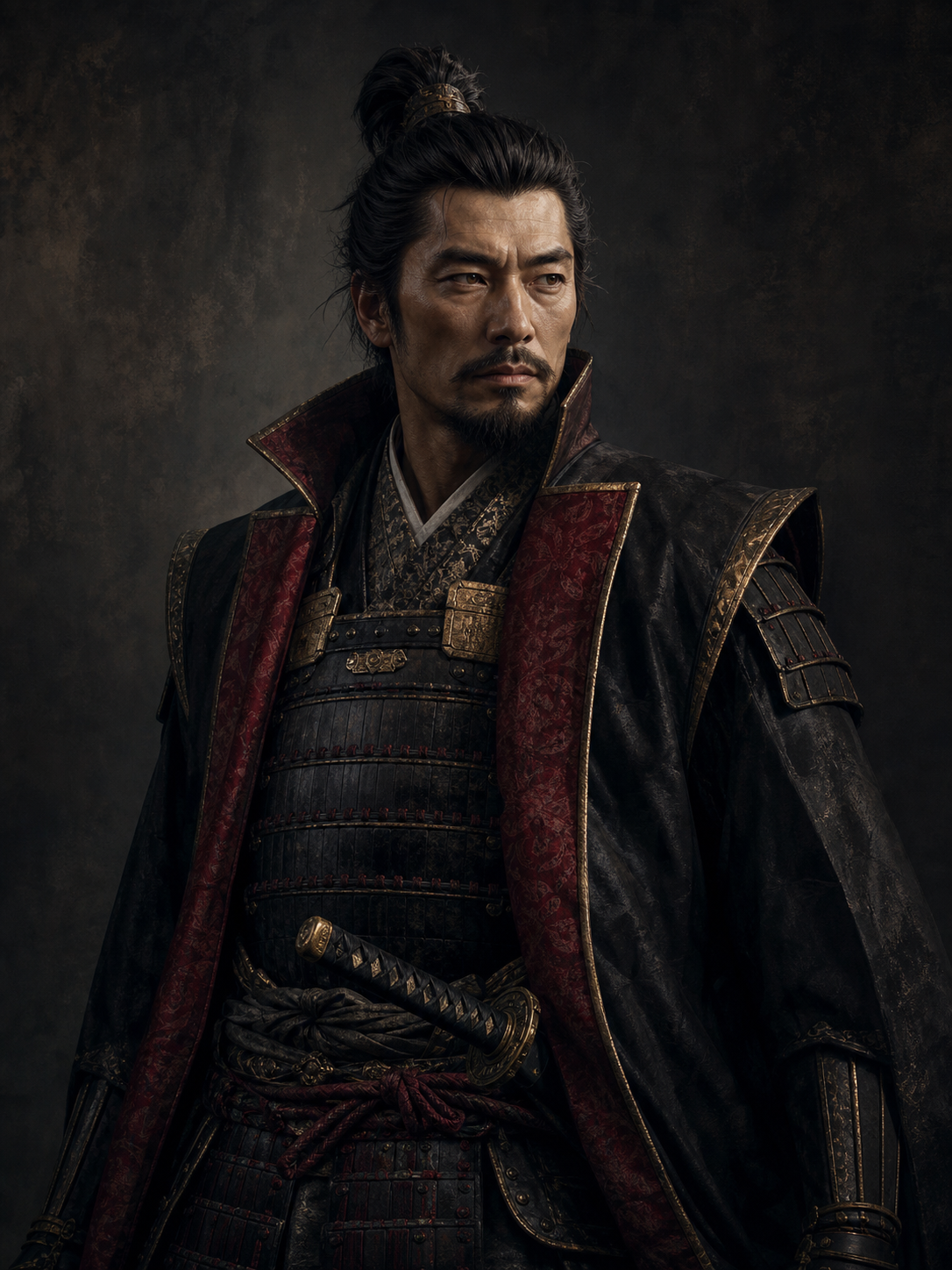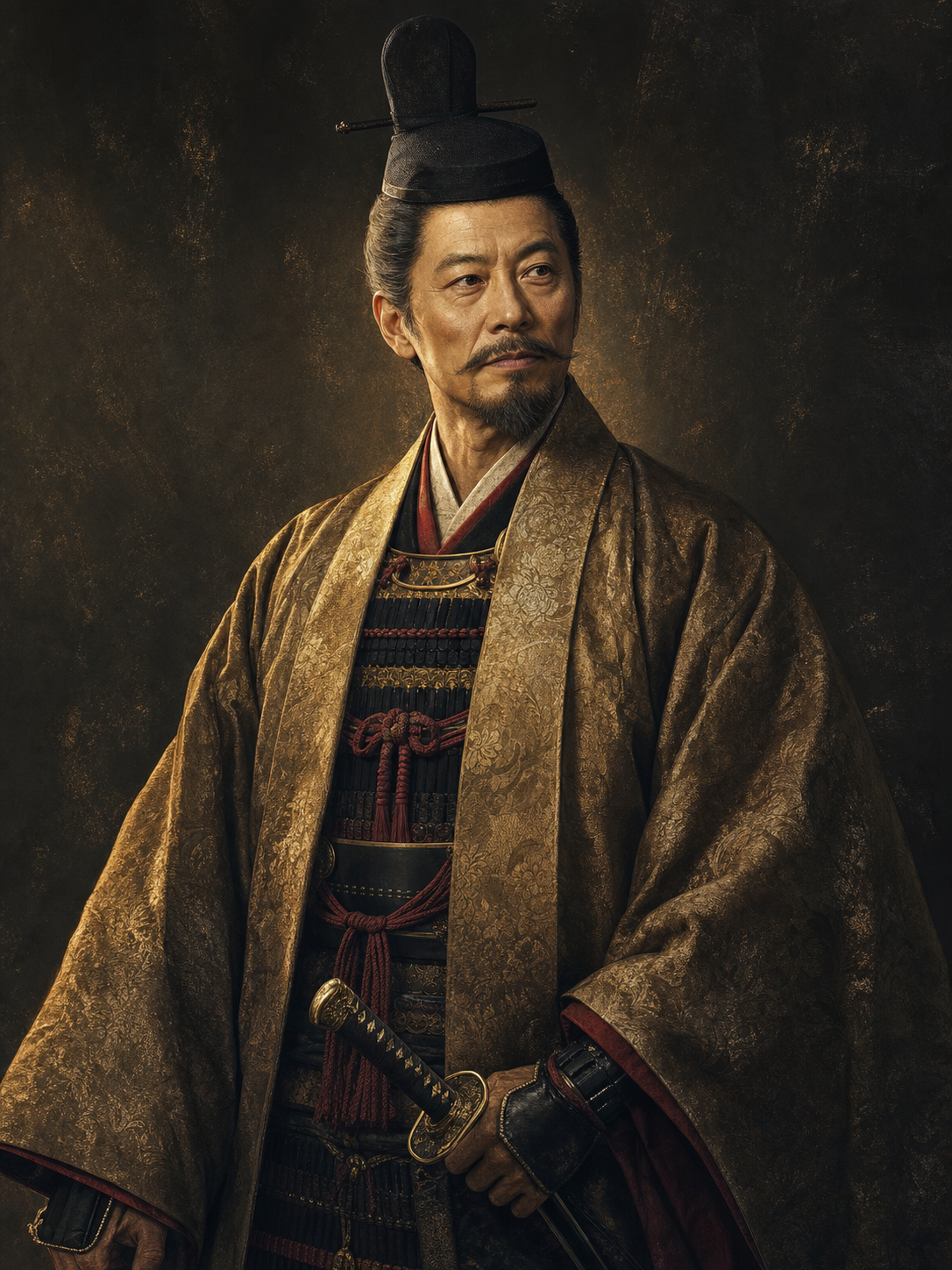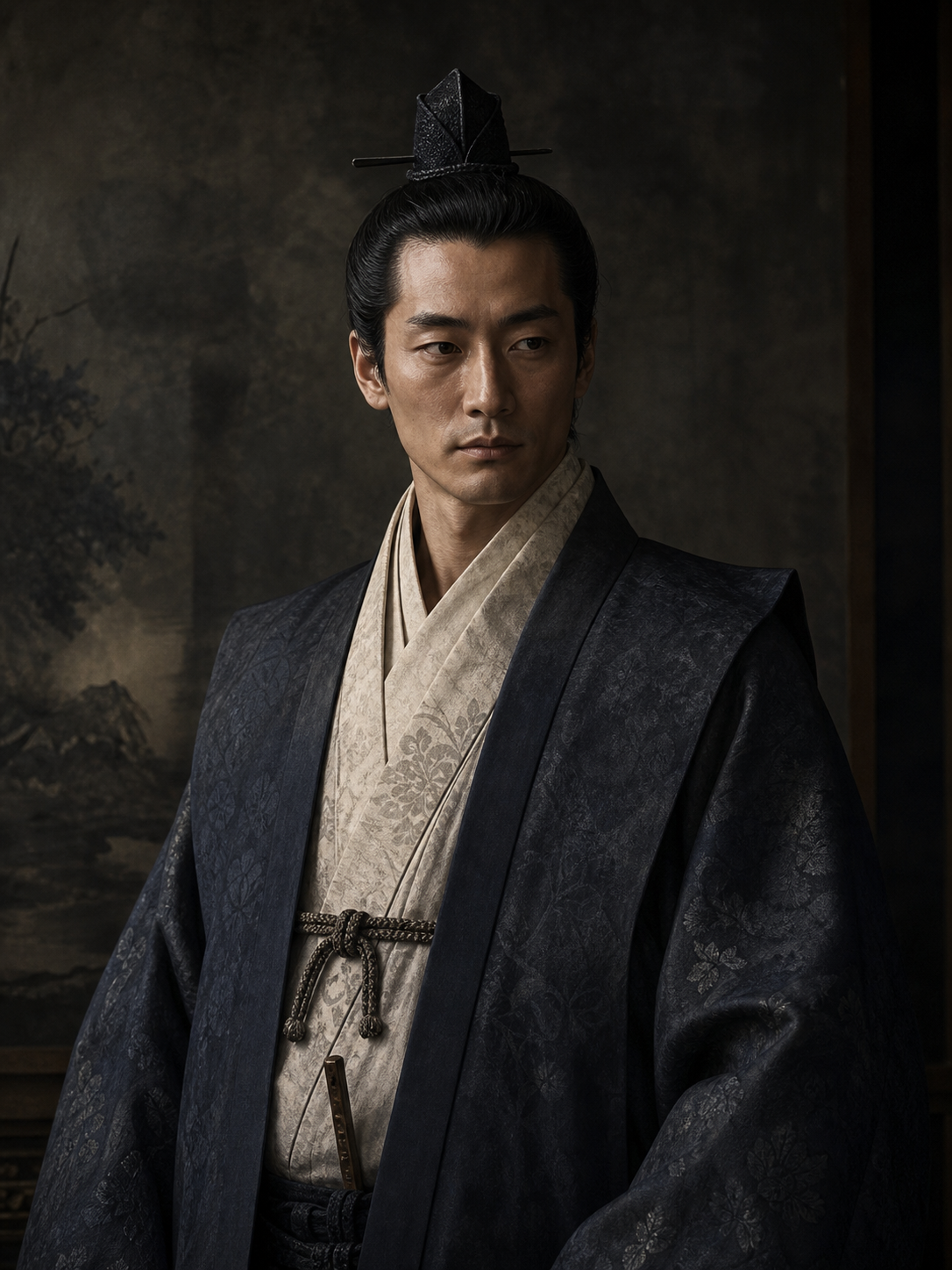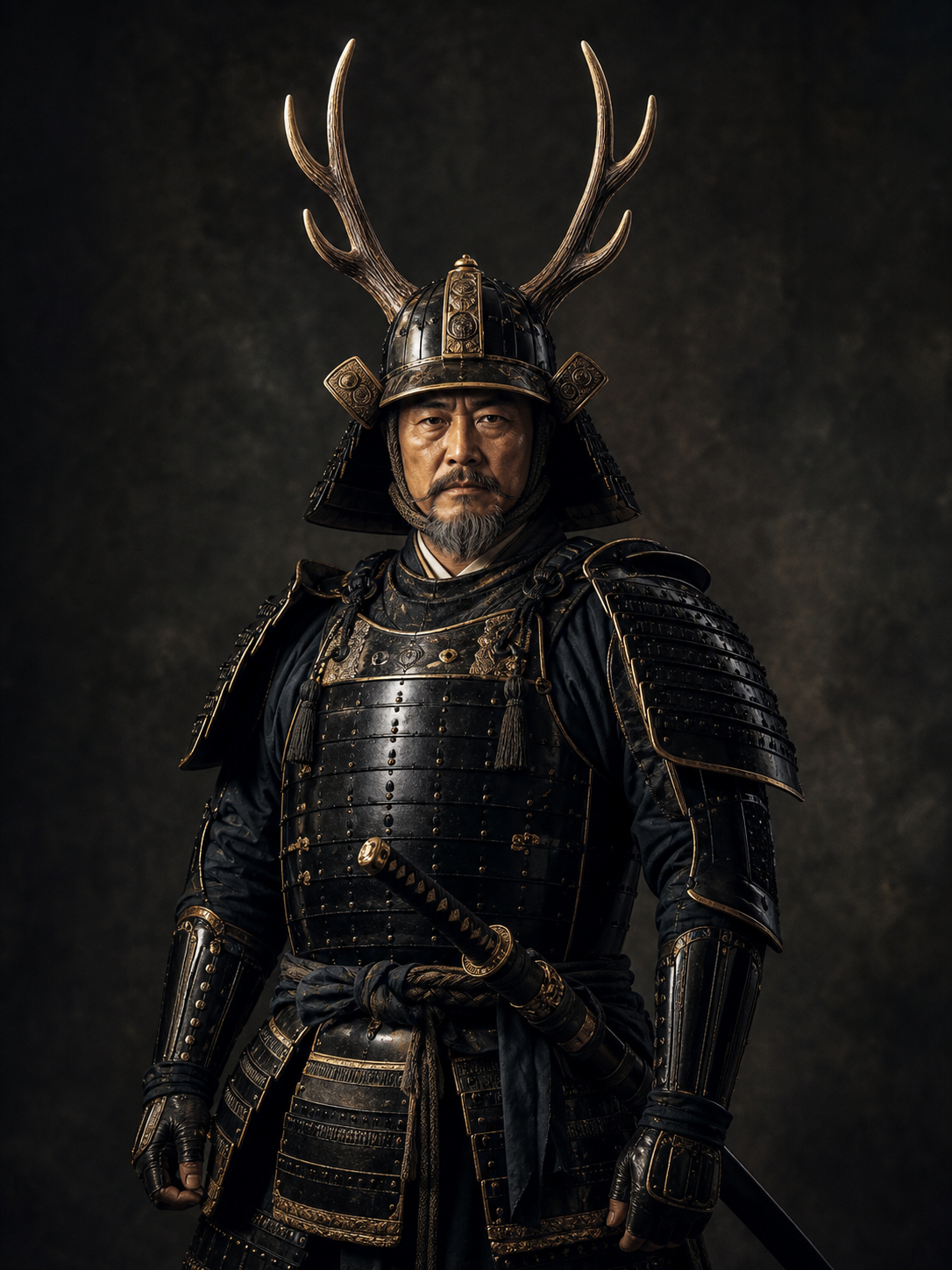
Who was Ieyasu?
Tokugawa Ieyasu (1543–1616) was the daimyo who ended the Sengoku period. After winning the Battle of Sekigahara in 1600 he was appointed shogun in 1603, and the government he created — the Tokugawa or Edo shogunate — ruled Japan until 1868.
He was the least flashy of the three unifiers and by far the most successful at making his settlement last. Born into a small, squeezed house in Mikawa Province, he spent his childhood as a hostage of stronger neighbours, allied with Oda Nobunaga for twenty years, submitted to Toyotomi Hideyoshi when fighting him proved unprofitable, and outlived them both.
Why is Ieyasu important?
- He founded the Tokugawa shogunate, which gave Japan roughly 250 years of internal peace after 130 years of war.
- His victory at Sekigahara in 1600 decided who would govern Japan after Hideyoshi's death.
- He designed a system — sworn vassal rankings, controlled marriages, castle limits, alternate residence — meant to stop the cycle of civil war restarting, and it worked.
- He moved his base to Edo, a minor fishing and castle town, which grew into the city now called Tokyo.
Early life as a hostage
Ieyasu was born Matsudaira Takechiyo, heir to a weak house wedged between the Oda of Owari and the Imagawa of Suruga. As a child he was sent away as a hostage — first, according to the traditional account, diverted into Oda hands, then to the Imagawa in Sunpu, where he spent his adolescence. He fought his first campaigns as an Imagawa subordinate.
The Battle of Okehazama in 1560 freed him. With Imagawa Yoshimoto dead, Ieyasu returned to Mikawa, took his own castle at Okazaki, and by 1562 had allied with the man who killed his former overlord.
Twenty years as Nobunaga's ally
The Oda–Tokugawa alliance held from 1562 until Nobunaga's death in 1582, an unusual span in an era of routine betrayal. Ieyasu guarded the eastern flank, which meant absorbing the attacks of Takeda Shingen. In 1572 he was badly beaten at the Battle of Mikatagahara, one of the worst defeats of his life. He fought at the Battle of Nagashino in 1575 when the Takeda were broken in turn.
The alliance cost him personally. In 1579, under pressure from Nobunaga over suspicions of Takeda contact, Ieyasu's wife was executed and his eldest son Nobuyasu was compelled to commit suicide. The circumstances are debated, but the outcome is not.
Under Hideyoshi
When Nobunaga was killed in 1582, Ieyasu was in Osaka with a handful of attendants and had to escape overland through Iga Province to reach his own territory — the journey in which Hattori Hanzo is credited with organising his guides and escort.
He fought Hideyoshi to a standstill at the Battle of Komaki and Nagakute in 1584, then negotiated rather than continue. He submitted formally in 1586, joined the Odawara Campaign in 1590, and accepted a transfer out of his ancestral provinces to the newly conquered Kanto plain. It looked like a demotion. It gave him the largest and most defensible domain in Japan, and he made Edo its centre.
Sekigahara and the shogunate
Hideyoshi died in 1598 leaving a five-year-old heir, Toyotomi Hideyori, and a council of regents that Ieyasu promptly out-manoeuvred. In 1600 the confrontation became open war, and at the Battle of Sekigahara the Eastern Army he led destroyed the Western coalition assembled around Ishida Mitsunari.
Appointed shogun in 1603, he abdicated in favour of his son Hidetada after only two years — a deliberate demonstration that the office was hereditary Tokugawa property — while continuing to rule from retirement. The Toyotomi house was finally destroyed at the Siege of Osaka in 1614–1615. Ieyasu died the following year.
Legacy
The order Ieyasu left behind is often summarised by a verse contrasting the three unifiers: Nobunaga pounds the rice cake, Hideyoshi shapes it, Ieyasu sits down and eats it. It is a good line and a poor description. The Tokugawa settlement required constant, unglamorous administration: land redistribution, marriage control, restrictions on castle building, and the alternate residence system that kept daimyo families in Edo.
Ieyasu was deified after his death and enshrined at Nikko. In English-language fiction he is best known through the character based on him in James Clavell's novel Shogun, which dramatises the period around 1600 and the arrival of William Adams.