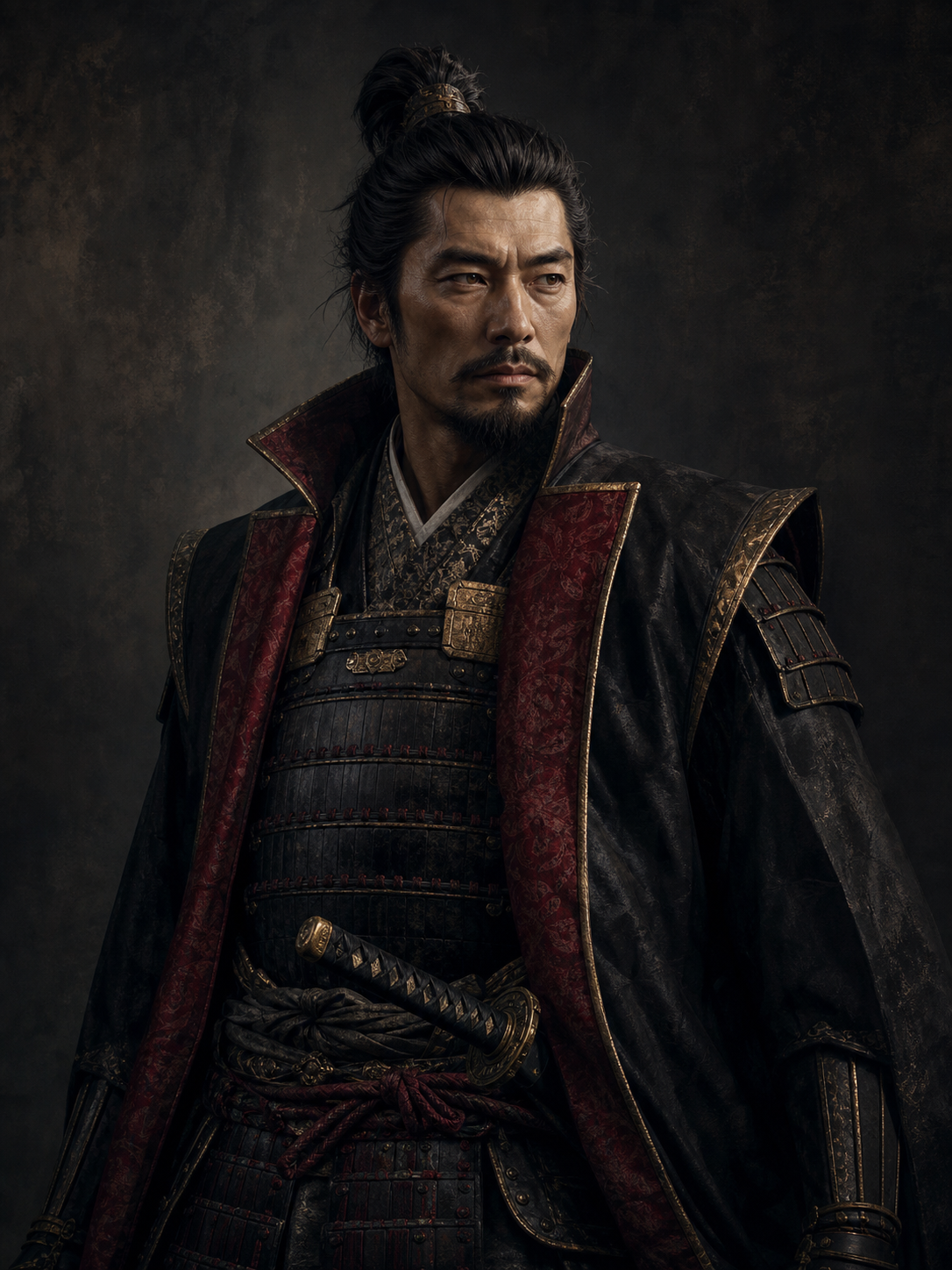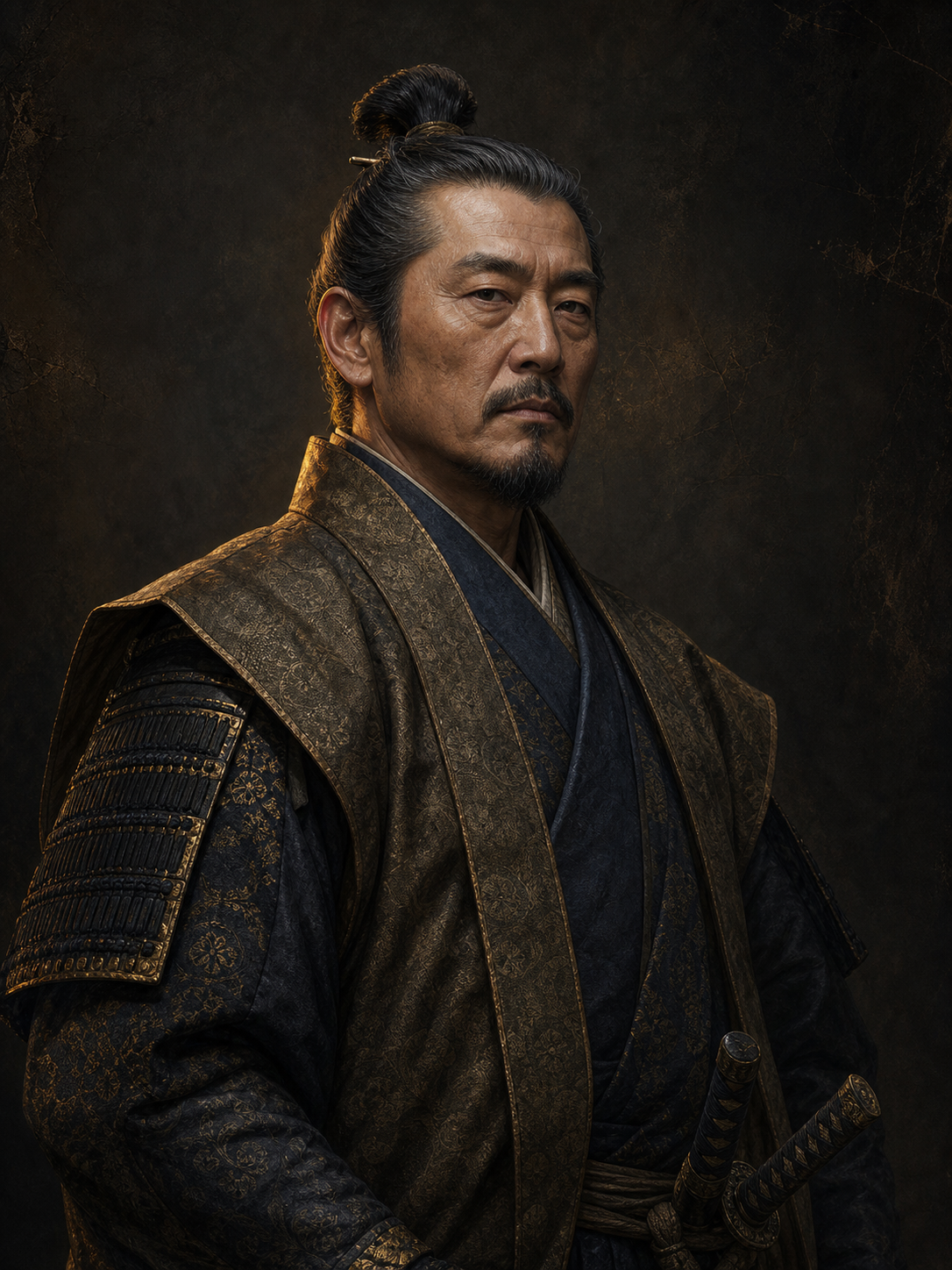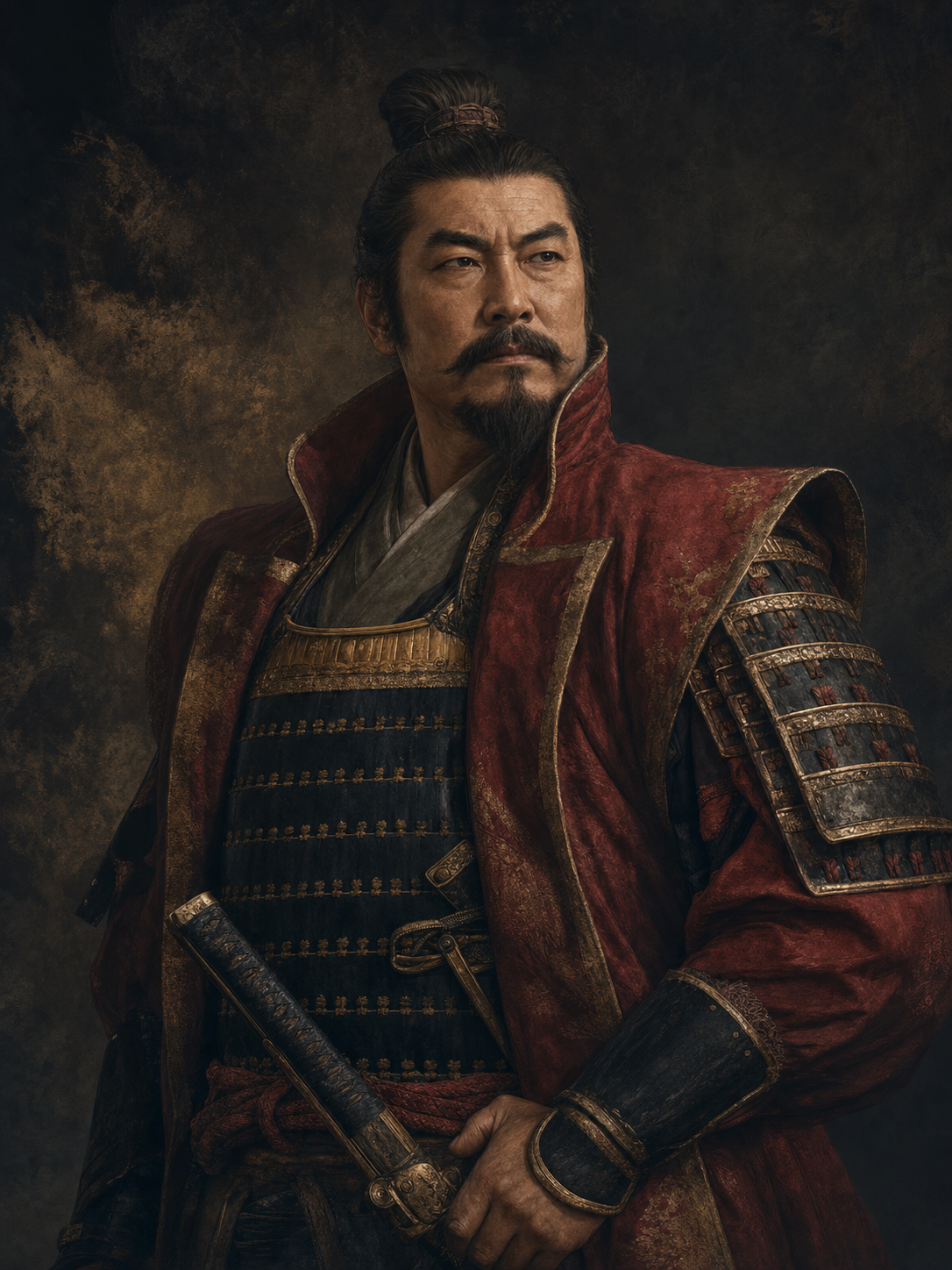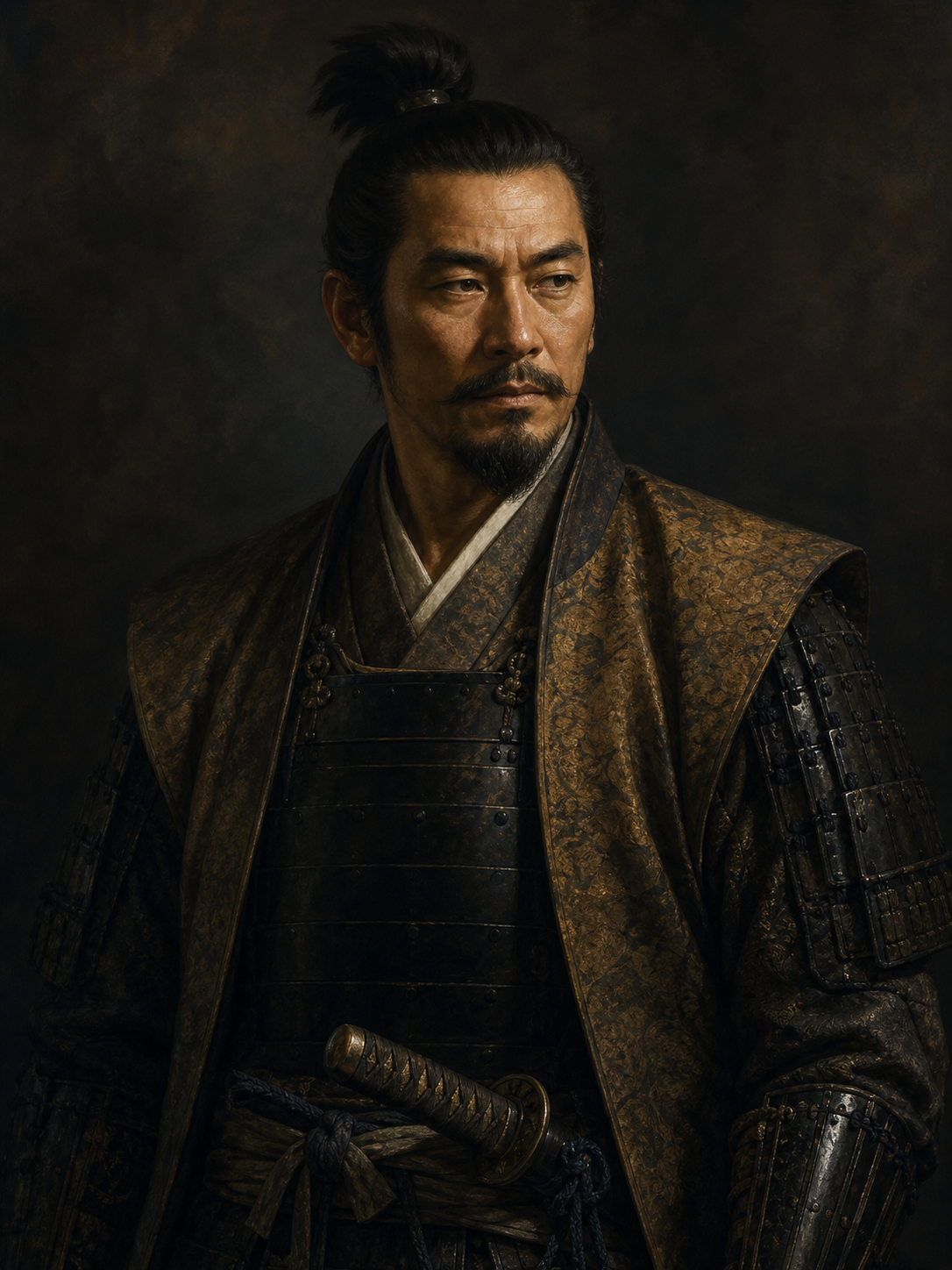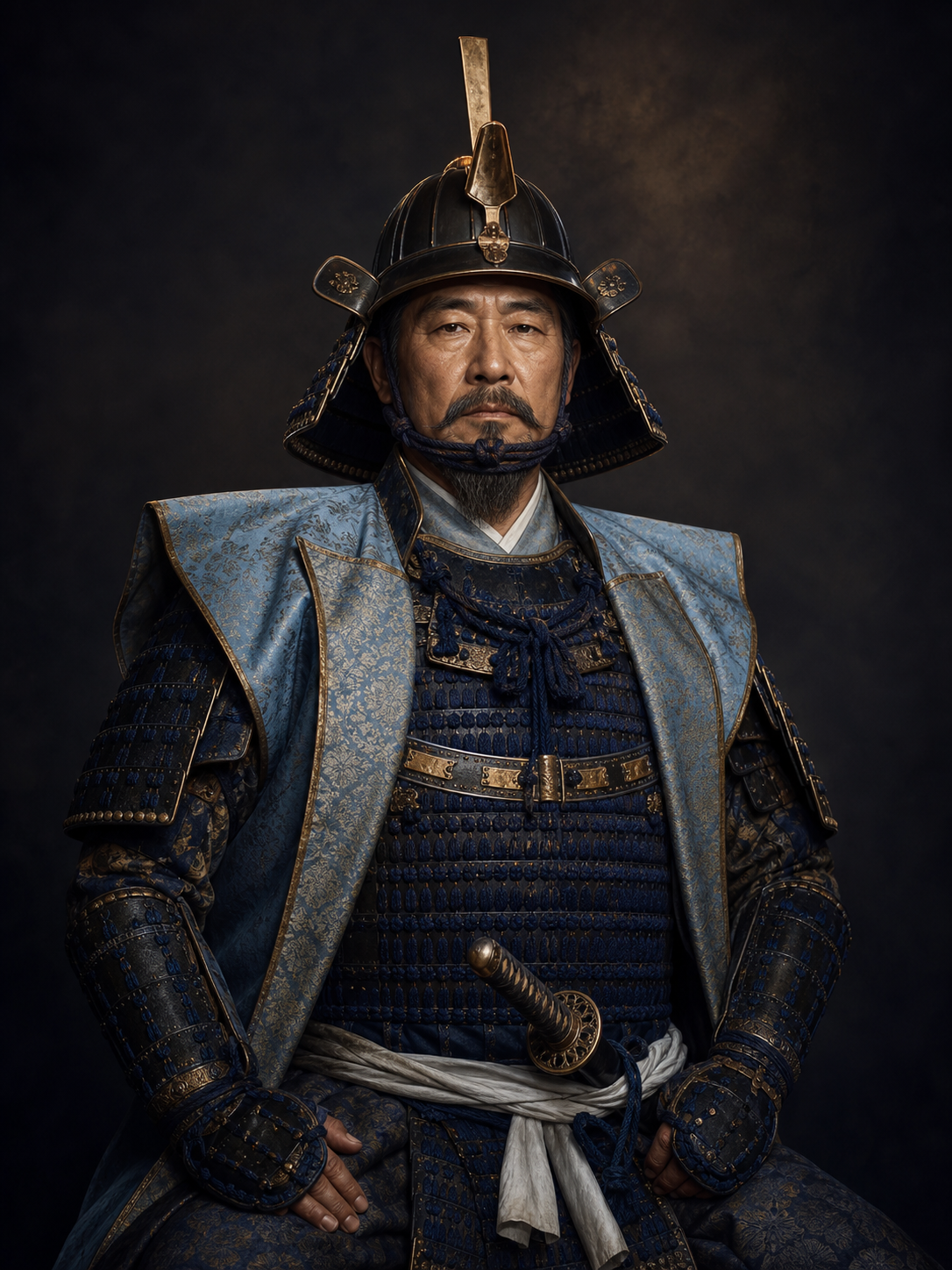
Who was Yoshimoto?
Imagawa Yoshimoto (1519–1560) controlled three provinces along the main road between Kyoto and eastern Japan, and in 1560 was one of the strongest daimyo in the country. He was killed at the Battle of Okehazama by a much smaller Oda force, and his death is the hinge on which the careers of both Oda Nobunaga and Tokugawa Ieyasu turn.
He was called "the best archer on the Tokaido" — meaning the finest warrior along the eastern highway. That is not how popular culture remembers him, and the gap between the two is worth explaining.
Why is Yoshimoto important?
- He united Suruga, Totomi and Mikawa into the strongest bloc on the road to the capital.
- He ran an effective administration, extending his family's written legal code and controlling trade along the Tokaido.
- He held the young Ieyasu as a hostage-ward and gave him his first military commands.
- His death at Okehazama removed the largest obstacle in front of Nobunaga and freed Ieyasu to become an independent lord.
Building the Imagawa position
Yoshimoto took the headship after a succession war in 1536 and expanded steadily. He negotiated the three-way alliance with the Takeda and Hojo that secured his other borders, sealed by marriages, and then pushed west into Mikawa.
He was advised for years by the warrior-monk Taigen Sessai, who conducted much of the diplomacy and several campaigns. Sessai's death in 1555 removed an important restraint on Imagawa policy.
Okehazama
In 1560 Yoshimoto marched west with a large army — the figures in the sources vary widely and are not reliable — taking Oda border forts along the way. Nobunaga could put only a fraction of that number in the field.
The traditional account has Nobunaga making a concealed flanking march and falling on the Imagawa camp during a thunderstorm. The earliest reliable account, the Shincho Koki, describes something more like a direct attack on the command position at Dengakuhazama in bad weather. Either way, Yoshimoto was killed in the fighting and his army disintegrated.
The court noble caricature
Popular culture usually shows Yoshimoto with blackened teeth and painted eyebrows, riding in a palanquin, playing kickball and composing poetry — an effete aristocrat who deserved to lose. The adoption of Kyoto court manners by the Imagawa is real; the interpretation is not.
Court style was a deliberate political statement about status and legitimacy, practised by many powerful houses. The caricature grew after his defeat, in a literature written under the winners. On the evidence of his career up to 1560, Yoshimoto was one of the more capable lords of his generation.
Legacy
The Imagawa collapsed quickly after his death. His son Ujizane could not hold the alliance together, and by 1569 the Takeda and Tokugawa had divided the Imagawa provinces between them.
Ieyasu, who had spent his childhood in Sunpu as an Imagawa ward, later retired to that same city as the most powerful man in Japan.