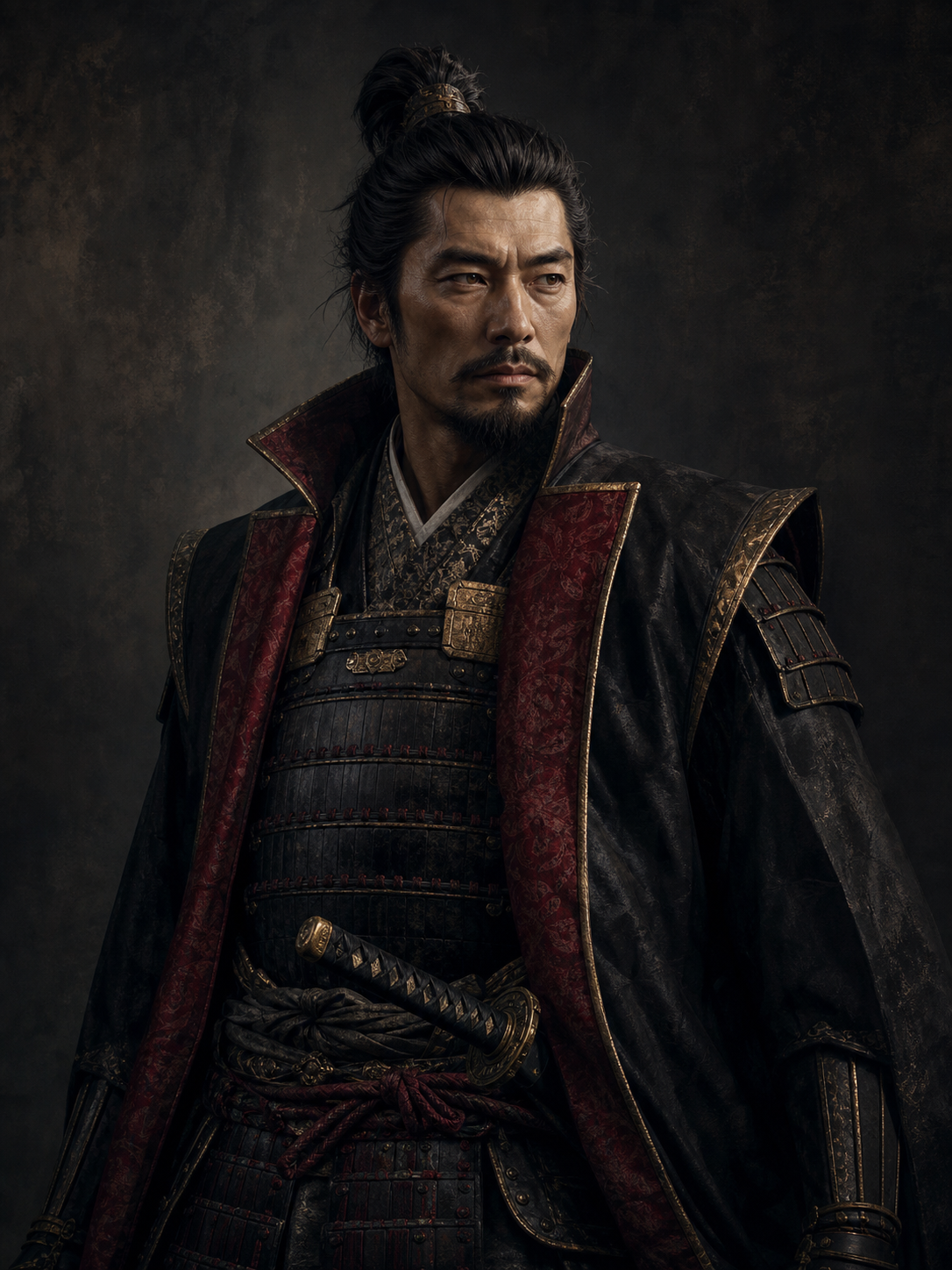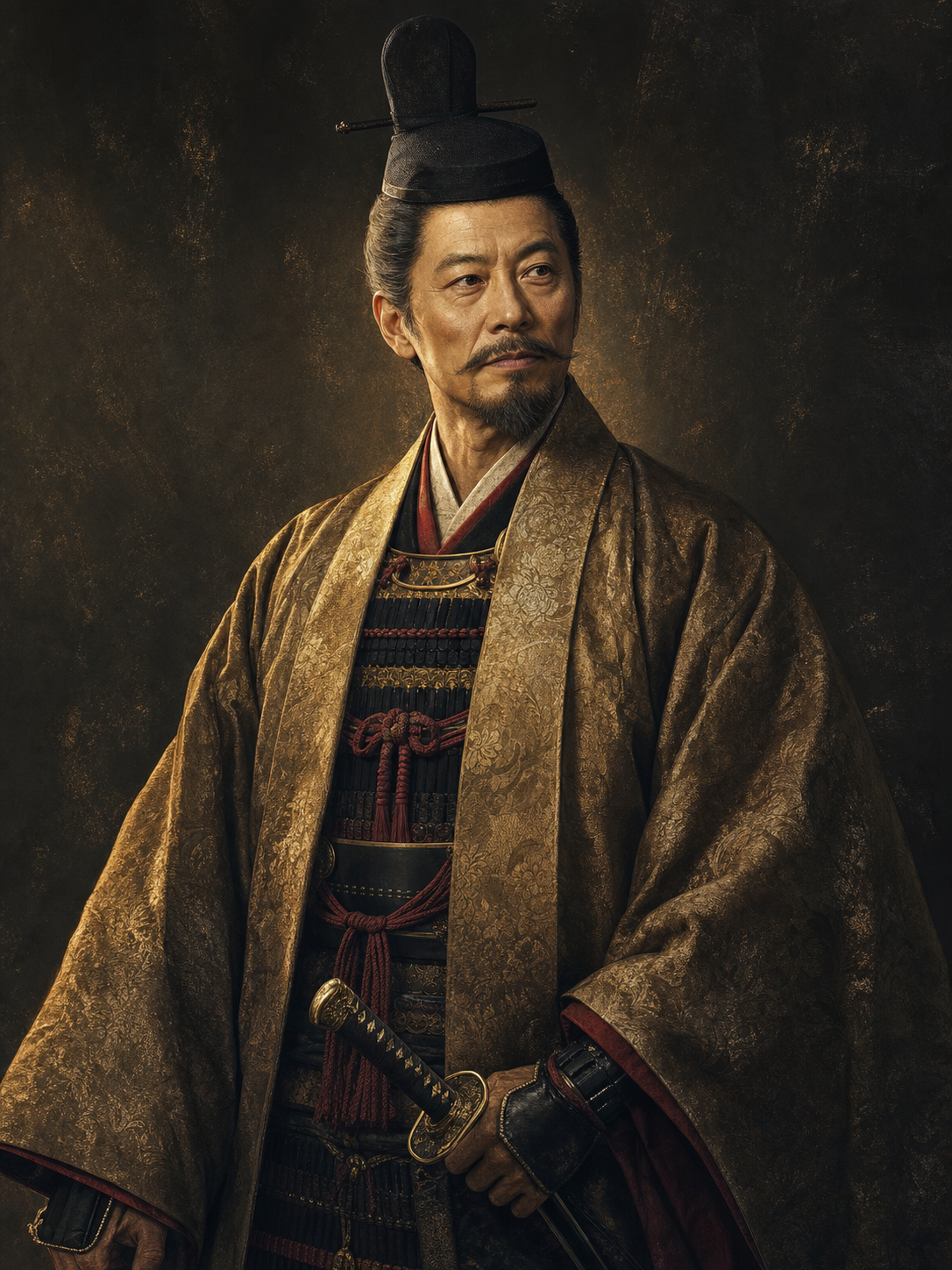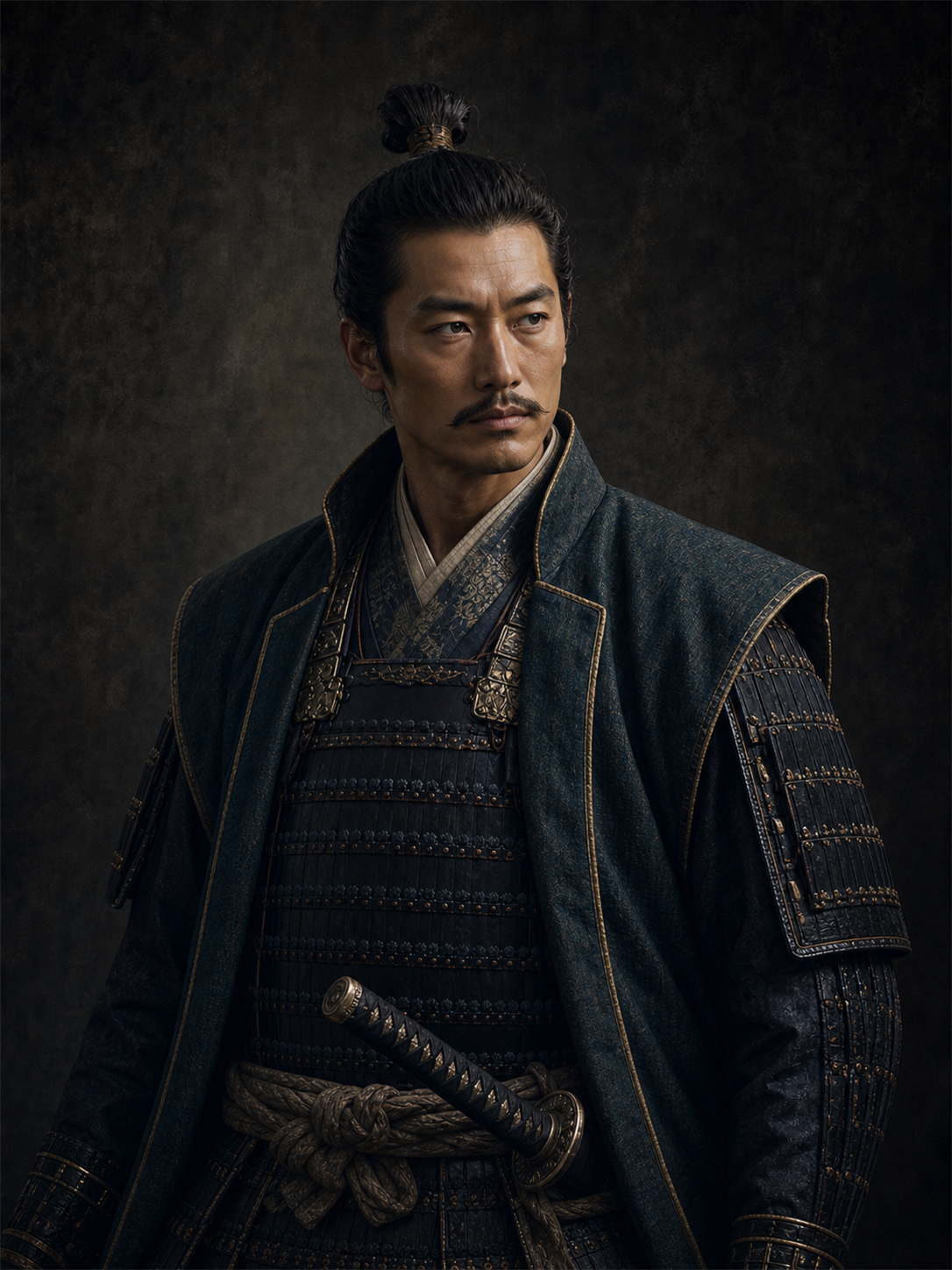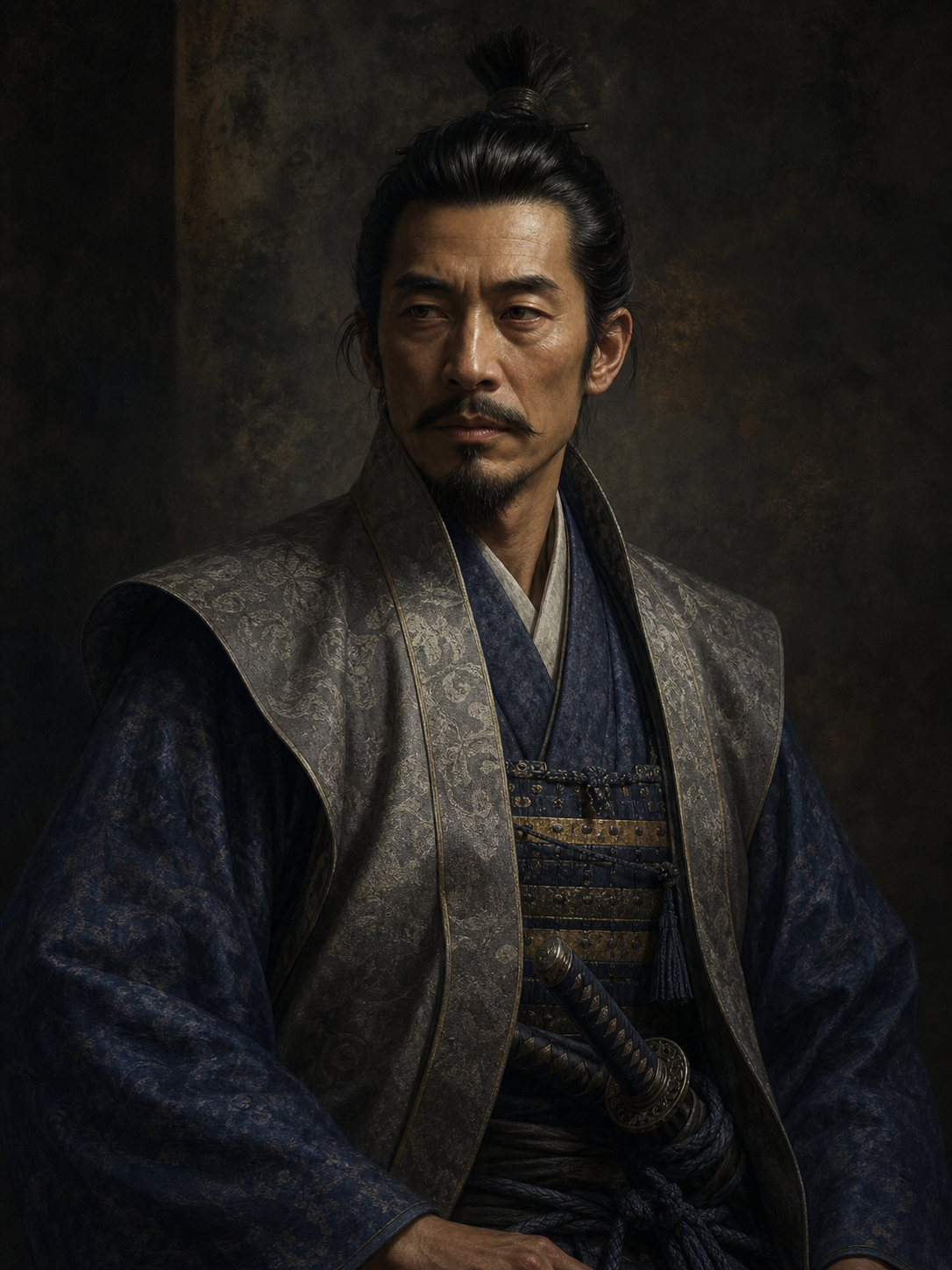
Who was Mitsuhide?
Akechi Mitsuhide (c. 1528–1582) was one of Oda Nobunaga's most capable and most trusted senior generals — and the man who killed him. In June 1582 he turned his army on Kyoto and attacked Nobunaga at the temple of Honnoji, an act that changed the course of the unification of Japan.
Thirteen days later he was dead, defeated by Toyotomi Hideyoshi at the Battle of Yamazaki. The Japanese phrase for a very short-lived rule — "Mitsuhide's three days" — comes from him, although the actual span was closer to a fortnight.
Why is Mitsuhide important?
- His attack at Honnoji ended Nobunaga's life and reset the politics of unification, opening the way for Hideyoshi.
- He was a rare example of an outsider promoted to province-holding rank purely on ability in the Oda organisation.
- He was a competent administrator: his governance of Tanba Province and the town of Fukuchiyama was well regarded, and local memory of him there remained positive for centuries.
- His motive is the single most argued-over question in Sengoku history, precisely because the sources do not answer it.
Before the Oda
Mitsuhide's early life is poorly documented. The standard account makes him a member of a branch of the Toki family of Mino Province who lost his position when the province changed hands, then served the Asakura of Echizen, then acted as an intermediary for the exiled shogun Ashikaga Yoshiaki before entering Nobunaga's service around 1568.
He rose fast. He was given Sakamoto Castle on Lake Biwa, then Tanba Province after a difficult multi-year campaign, and by 1580 was one of the four or five men at the top of the Oda structure.
The Honnoji Incident
In June 1582 Mitsuhide was ordered west to reinforce Hideyoshi's campaign against the Mori. Instead he turned his troops towards Kyoto, where Nobunaga was staying with a small guard. Nobunaga died in the burning temple; his heir Nobutada was killed the same day at Nijo.
Mitsuhide moved to secure the capital and the surrounding provinces, but the alliances he expected did not materialise. His own son-in-law, Hosokawa Tadaoki, refused to join him.
Why did he do it?
No contemporary source records a stated motive. The explanations that circulate — that Nobunaga humiliated him publicly, that he feared being stripped of his lands, that he acted to protect the imperial court or the shogunate, that he was manipulated by others — all rest on later chronicles, hearsay collected decades afterwards, or modern inference from circumstantial evidence.
Some recent work emphasises documents suggesting Mitsuhide had commitments to the Chosokabe of Shikoku that Nobunaga was about to override by force. It is a plausible line, not a settled answer. Anyone who tells you the motive is known is going beyond the evidence. See Honnoji Incident.
Death
Hideyoshi made peace with the Mori within a day of hearing the news and marched back at extraordinary speed. At the Battle of Yamazaki on 2 July 1582, Mitsuhide's smaller army was defeated. He was killed while fleeing, and the usual account has him struck down by armed villagers near Ogurusu, outside Kyoto.
His daughter, married to Hosokawa Tadaoki, was placed under house arrest as the daughter of a traitor. She is known to history as Hosokawa Gracia.
Legacy
For most of the Edo period Mitsuhide was written as the archetypal traitor. Modern treatments are more sympathetic, often presenting him as a cultured administrator pushed past his limit — the 2020 NHK drama Kirin ga Kuru is a recent example.
In Fukuchiyama, the castle town he governed, he has been honoured locally for centuries, which is a useful corrective to the one-word verdict of "traitor".