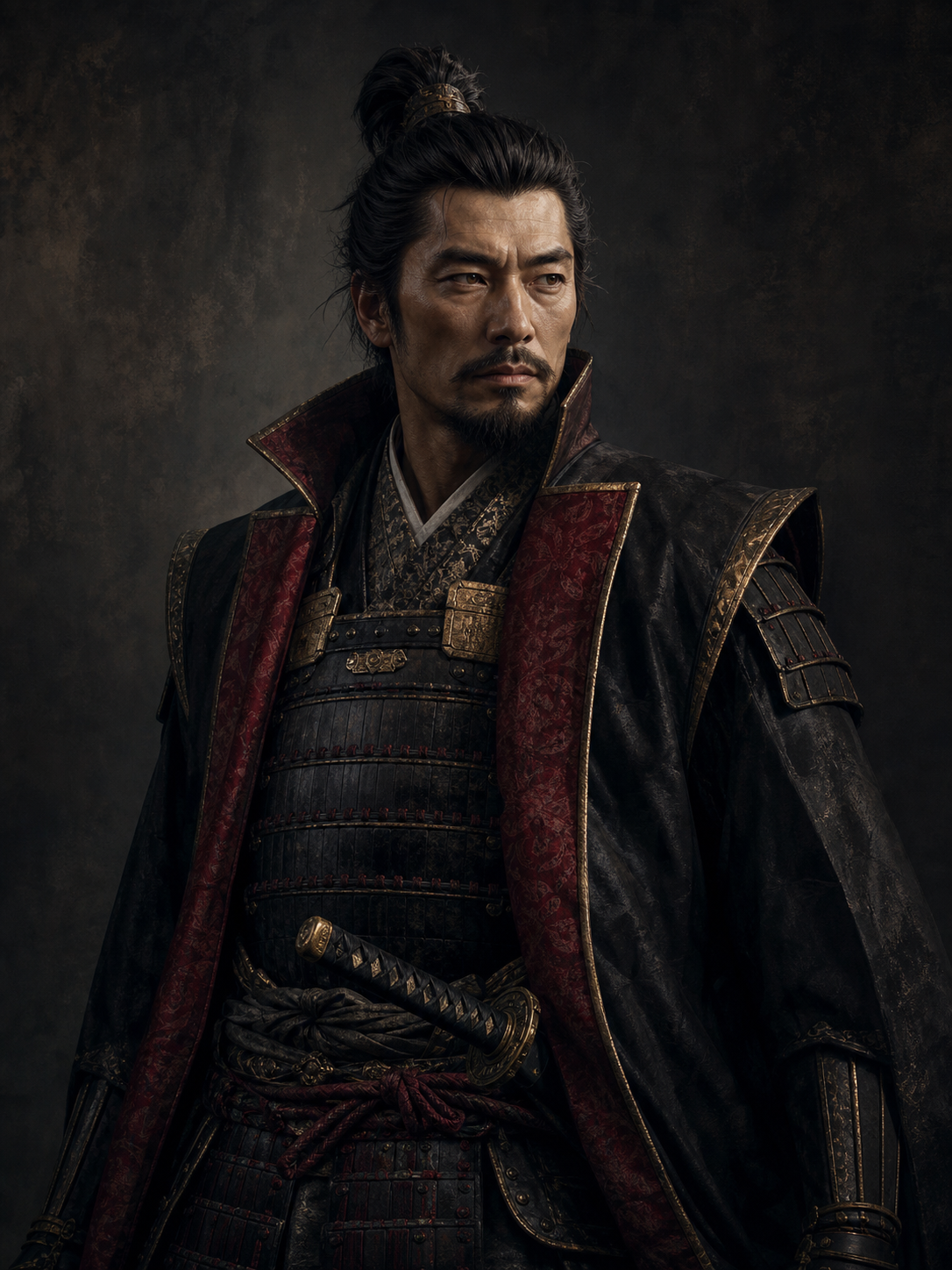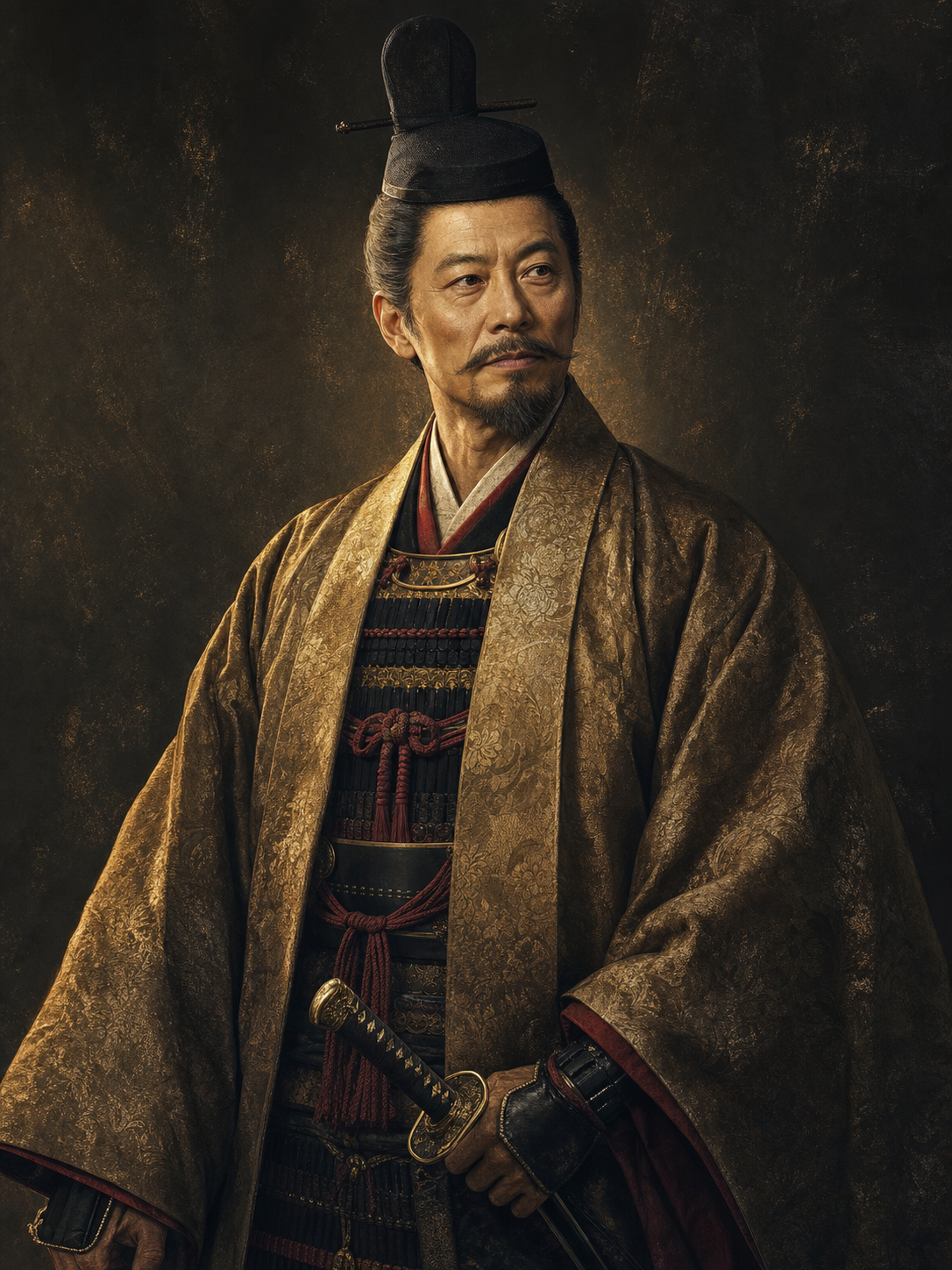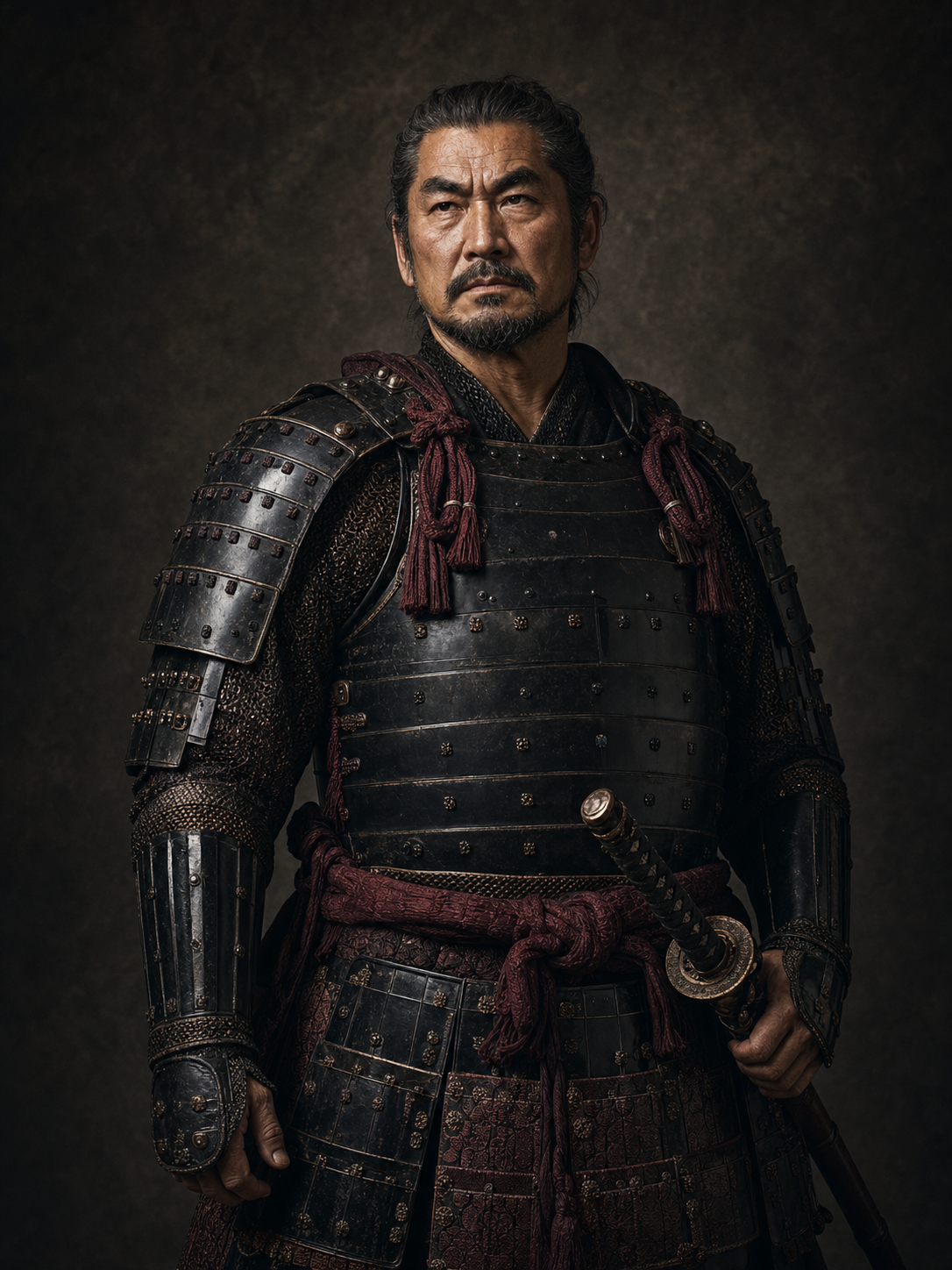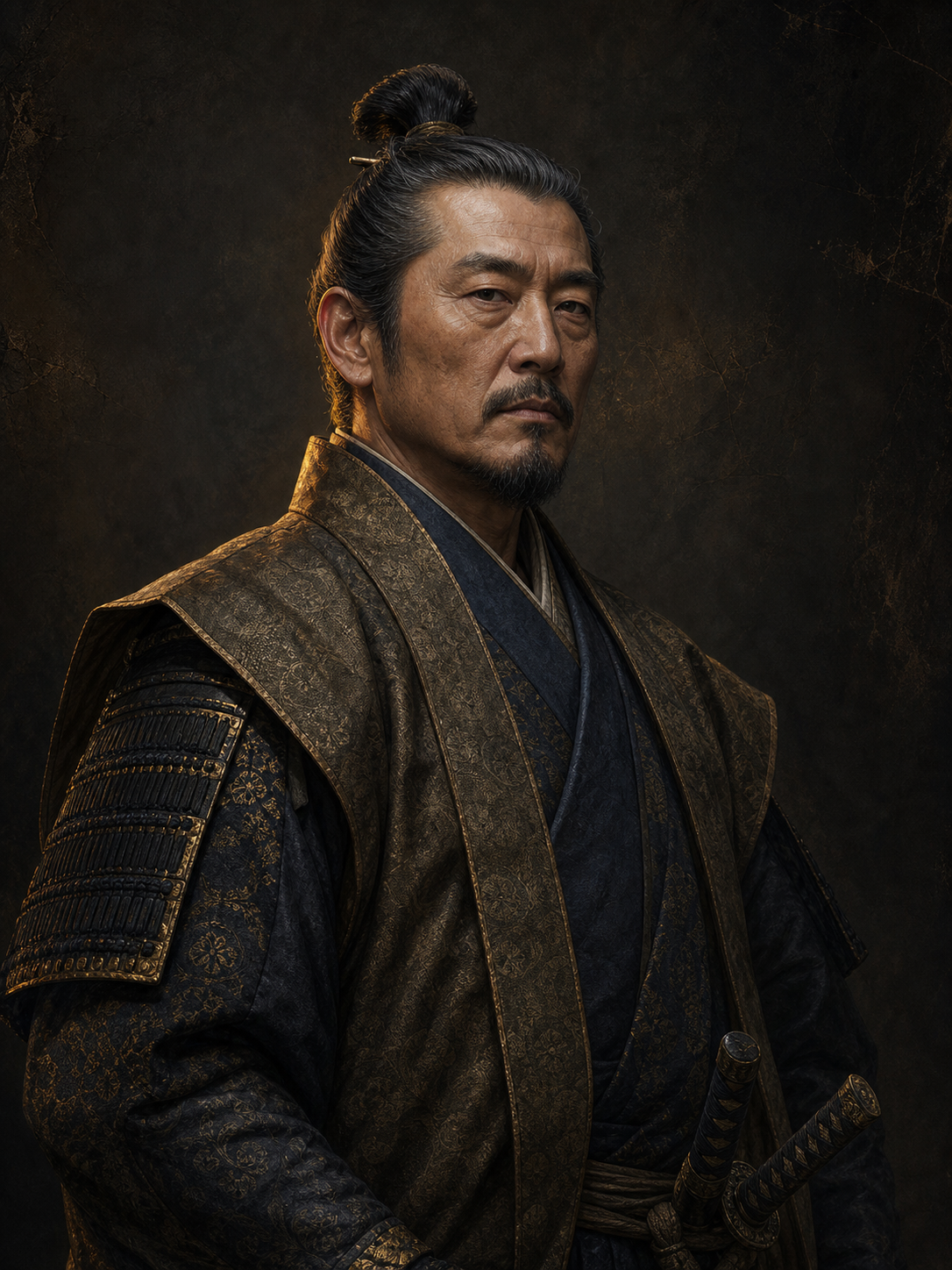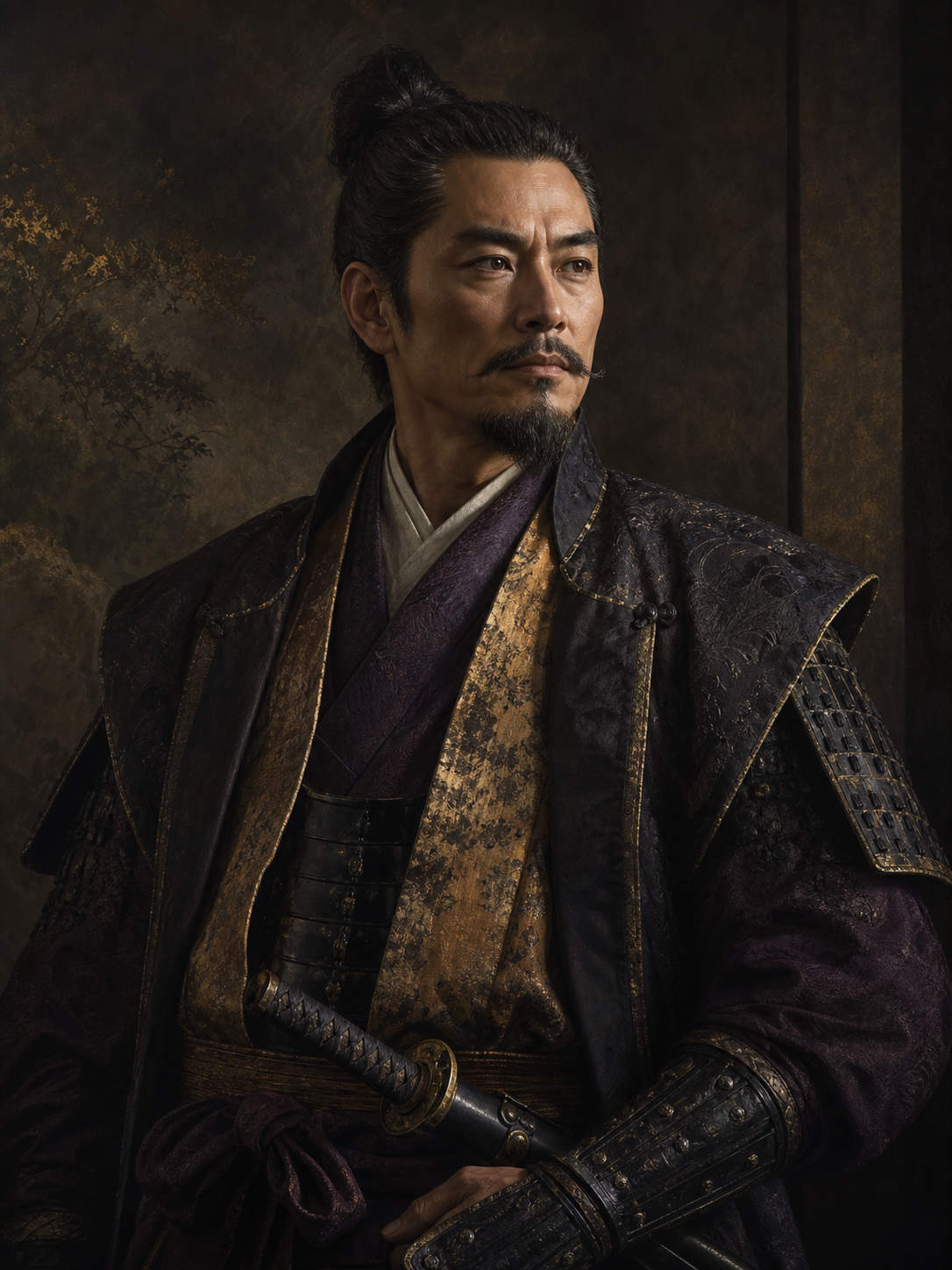
Who was Toshiie?
Maeda Toshiie (1539–1599) rose with Oda Nobunaga from the same corner of Owari, fought as one of his spear-carrying front-line officers, and ended as lord of Kaga — the largest domain in Japan outside the Tokugawa house itself.
In the last year of his life he was one of the five regents appointed to protect Toyotomi Hideyori, and by common account the only one with enough personal standing to hold Tokugawa Ieyasu in check. He died in 1599, and the balance collapsed within months.
Why is Toshiie important?
- He founded the Kaga domain, assessed at over a million koku and the wealthiest in Japan after the shogunate.
- He was one of Hideyoshi's five great regents and the counterweight to Ieyasu after 1598.
- His decision to switch sides at Shizugatake helped decide the Oda succession.
- Kanazawa, the castle town he developed, preserves more of its Edo-period fabric than almost any other Japanese city.
The spear of the Maeda
Toshiie served Nobunaga from adolescence in the corps of young attendants, and made his name as a spearman — the nickname "Spear Matazaemon" attaches to this period. He was dismissed for killing a fellow retainer over an insult and had to earn reinstatement by fighting as an unattached volunteer, which he did.
He was posted north under Shibata Katsuie and given Noto Province in 1581.
Choosing Hideyoshi
At the Battle of Shizugatake in 1583 Toshiie was serving in Katsuie's army but had been Hideyoshi's friend since their Owari days. He withdrew his contingent from the field rather than fight, which contributed materially to Katsuie's collapse.
Hideyoshi rewarded him with Kaga. Over the following fifteen years the Maeda accumulated Kaga, Noto and Etchu, and Toshiie became one of the senior figures of the regime.
The last restraint
After Hideyoshi's death in 1598 the peace held mainly because Toshiie was alive. When he died the following year, seven of Hideyoshi's veteran generals immediately moved against Ishida Mitsunari, who took refuge with Ieyasu of all people. The road to Battle of Sekigahara opened from there.
His son Toshinaga took the Tokugawa side in 1600, and the Maeda kept everything.
Legacy
Kanazawa became one of the great cultural centres of Edo-period Japan — gold leaf, lacquer, Noh theatre and the Kenrokuen garden all date from Maeda patronage.
The Maeda ruled Kaga continuously until 1871, making them one of the most stable daimyo houses in Japanese history.