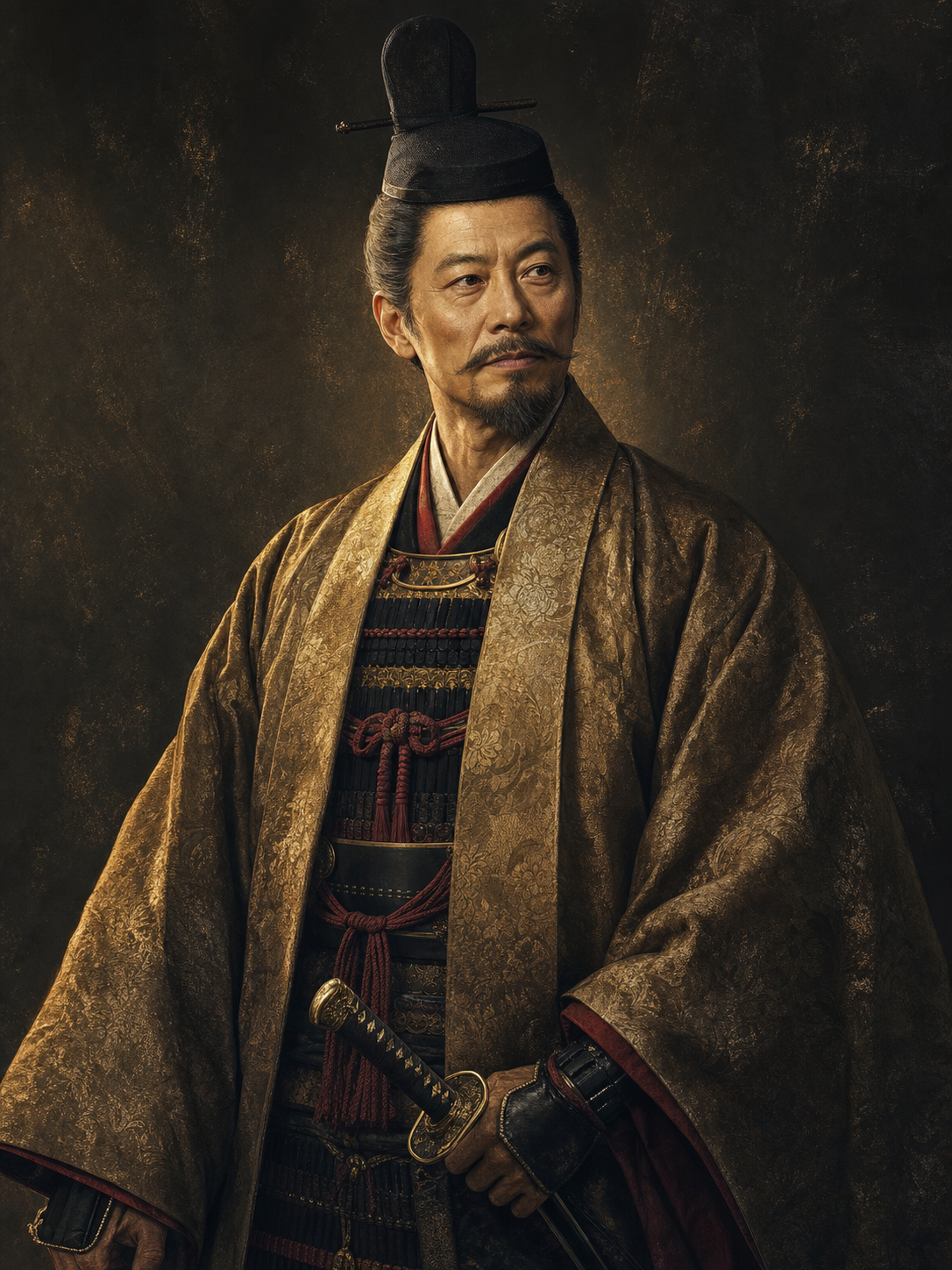
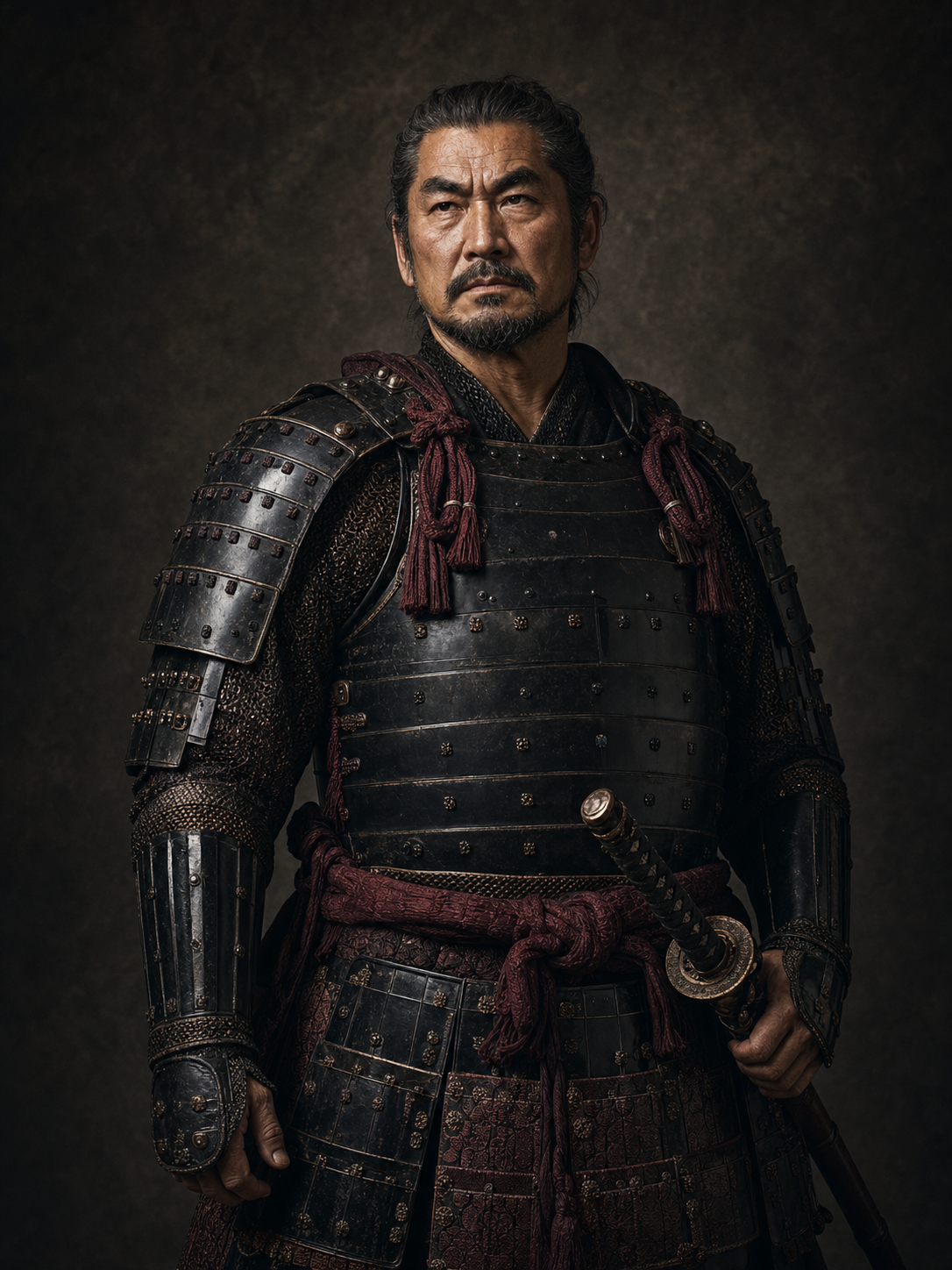
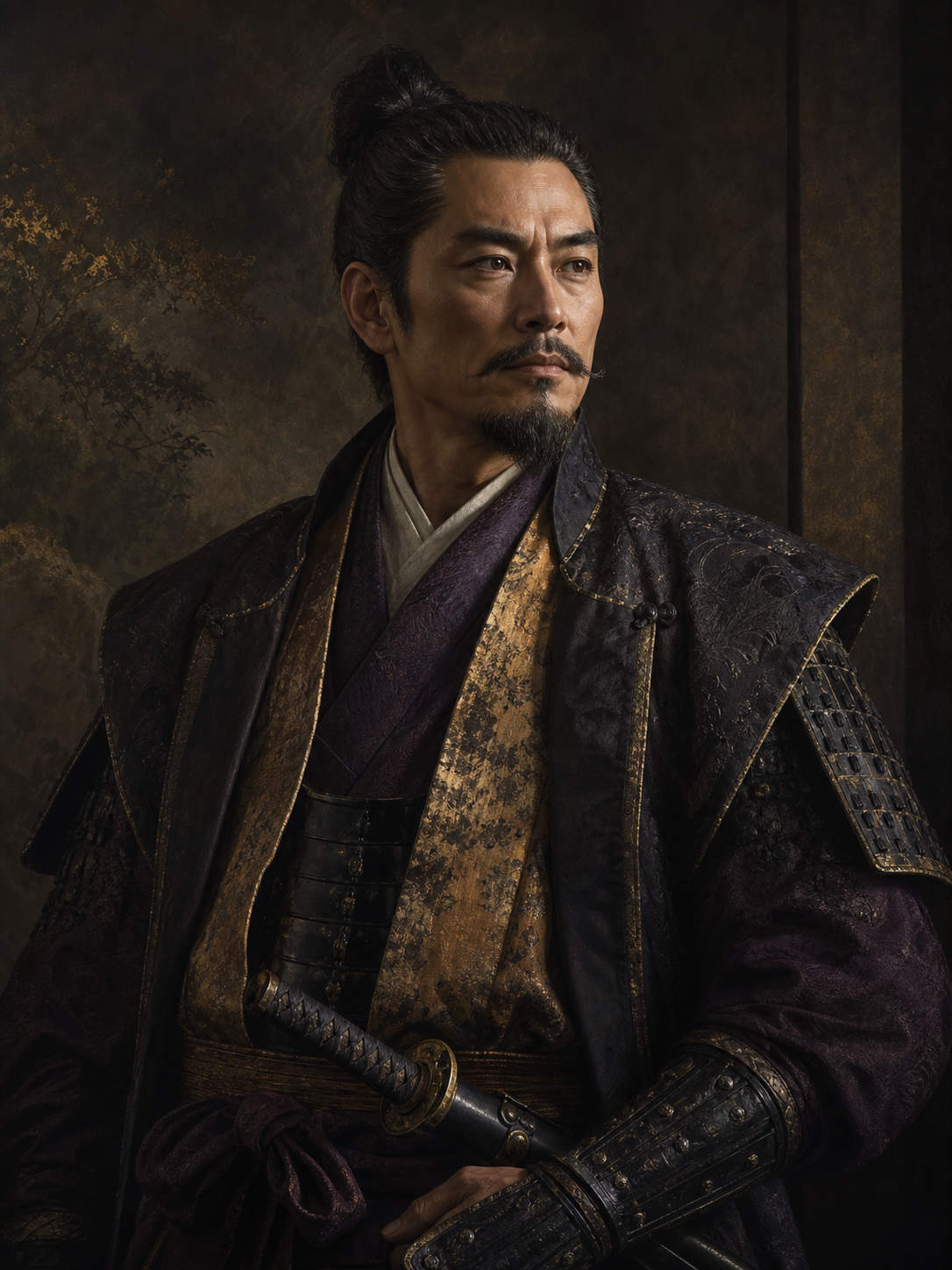
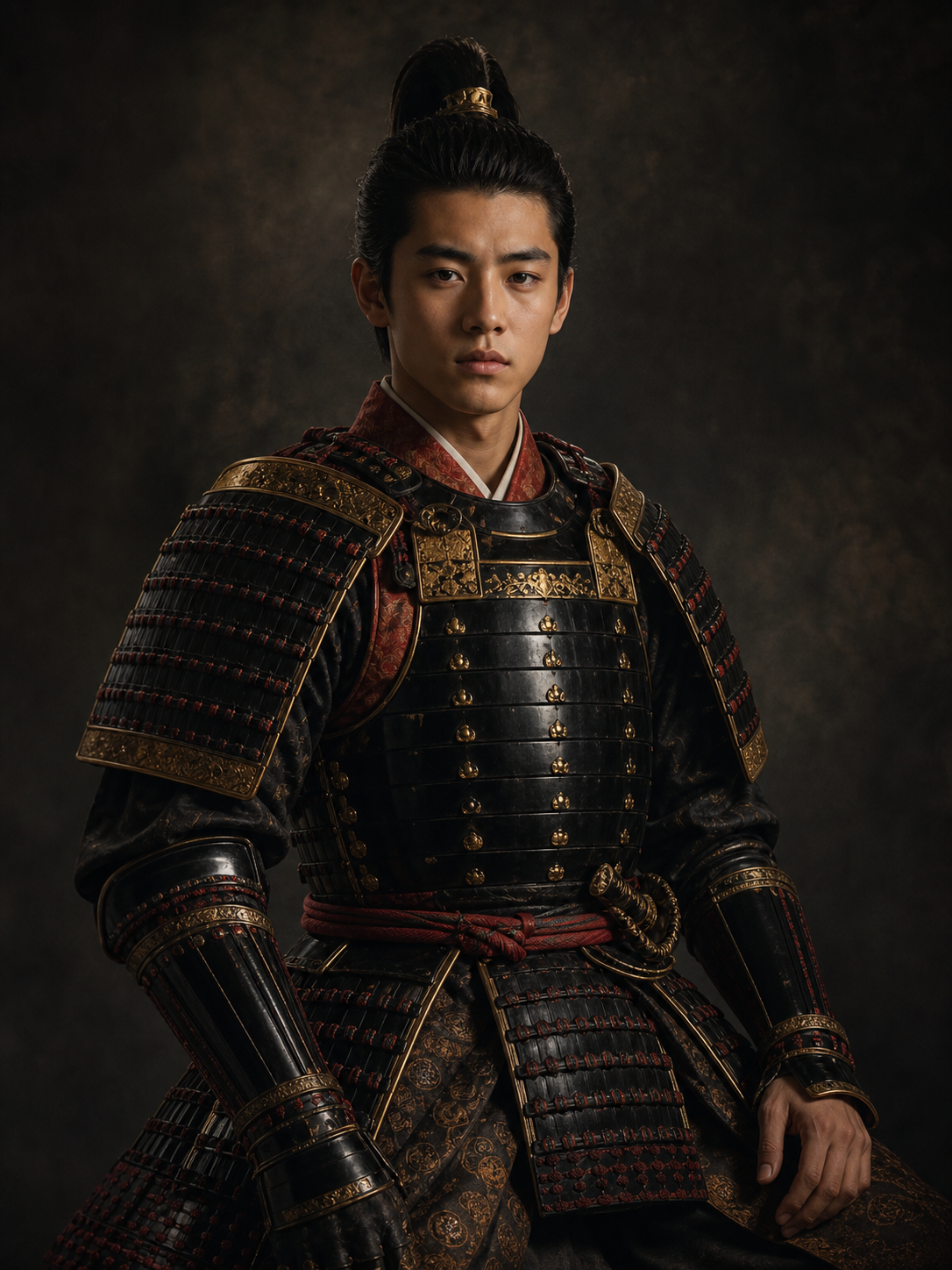
What was the Battle of Shizugatake?
Shizugatake decided which of Oda Nobunaga's generals would inherit his position. Toyotomi Hideyoshi defeated Shibata Katsuie, the senior man in the Oda hierarchy, who then killed himself at his castle at Kitanosho.
After Shizugatake, no one inside the Oda structure could challenge Hideyoshi. Only Tokugawa Ieyasu, outside it, remained.
Why did it happen?
At the Kiyosu conference after Nobunaga's death, Hideyoshi had secured the succession of Nobunaga's infant grandson, with himself as one of the guardians. Katsuie had backed Nobunaga's third son, Nobutaka, and lost the argument.
Through the winter of 1582–83 both men built coalitions. Katsuie, based in Echizen on the Japan Sea coast, was physically blocked by snow for months — a decisive disadvantage.
Forces and sides
Both sides fielded armies in the range of 20,000 to 50,000 depending on the source and on which contingents are counted. The manoeuvring mattered far more than the totals.
What happened?
The armies confronted each other across a line of hill forts north of Lake Biwa for weeks. Hideyoshi then left the position to deal with Nobutaka, who had risen in Mino.
Katsuie's subordinate Sakuma Morimasa used the opening to attack the forts and took one of them, but then failed to withdraw as ordered and left his force exposed.
Hideyoshi turned his army around and covered roughly 50 kilometres back to the front in a single night — the second of his famous forced marches. He struck Sakuma's over-extended force at dawn and destroyed it.
The Shibata line then collapsed, in large part because Maeda Toshiie, an old friend of Hideyoshi serving in Katsuie's army, withdrew his contingent rather than fight.
Turning point
Maeda Toshiie's withdrawal. Sakuma's disobedience created the opening; Toshiie's decision made the collapse irreversible.
Outcome
Katsuie retreated to Kitanosho, set fire to the keep, and killed himself. Oichi, Nobunaga's sister and Katsuie's wife, died with him after sending her three daughters out of the castle.
Nobutaka was forced to commit suicide shortly afterwards. Hideyoshi was now the effective head of the Oda coalition, and within two years he had taken the office of imperial regent and dropped the pretence of acting for the Oda at all.
The battle also produced the "Seven Spears of Shizugatake", seven young officers singled out for their conduct, several of whom — Kato Kiyomasa and Fukushima Masanori among them — became major daimyo and later fought against Ishida Mitsunari at Sekigahara.
Why it mattered
Shizugatake is the second half of the succession crisis that began at Honnoji Incident. Yamazaki gave Hideyoshi legitimacy; Shizugatake gave him the Oda military machine.
It also set up the last confrontation of his rise: Battle of Komaki and Nagakute against Ieyasu the following year.