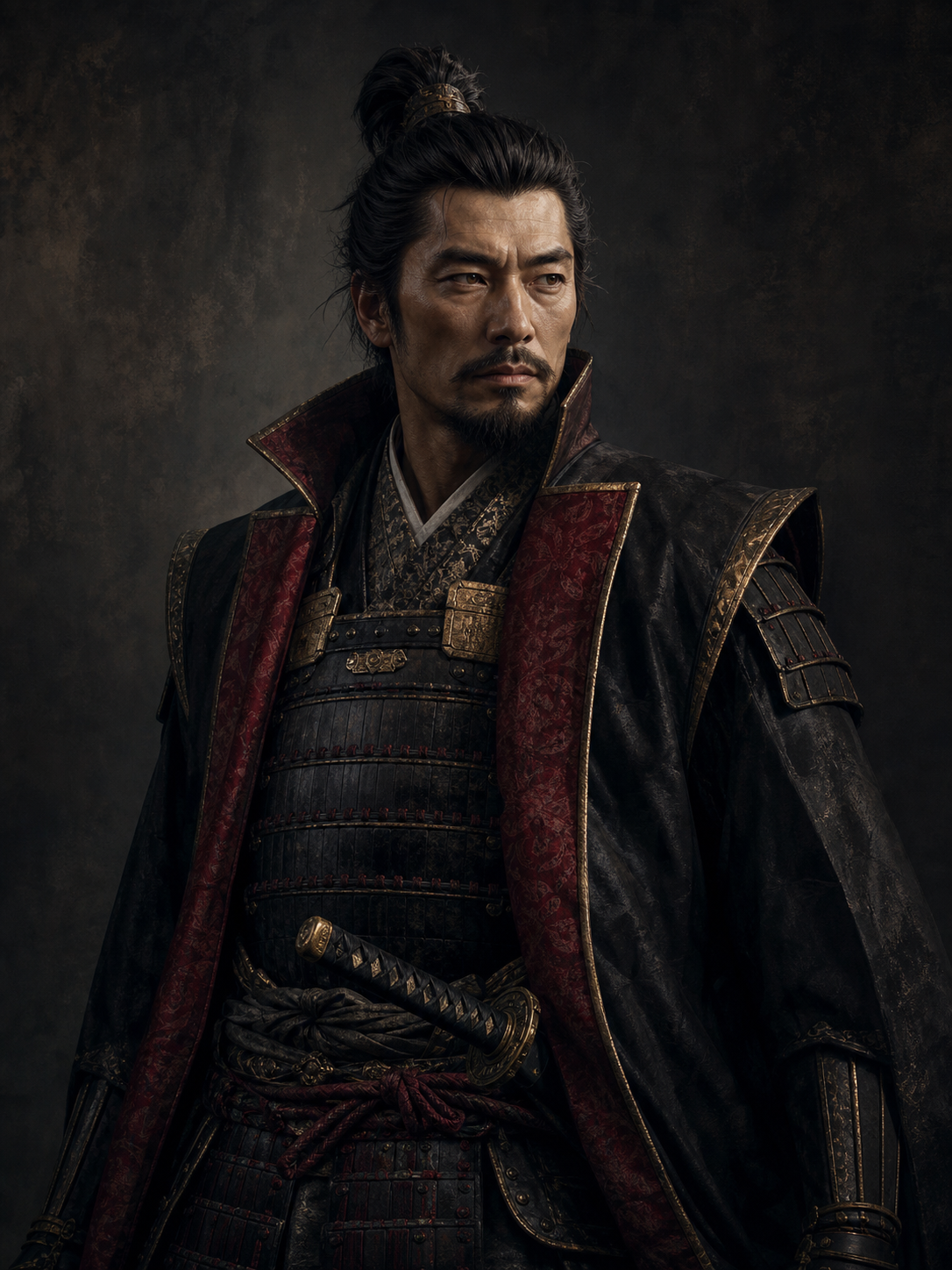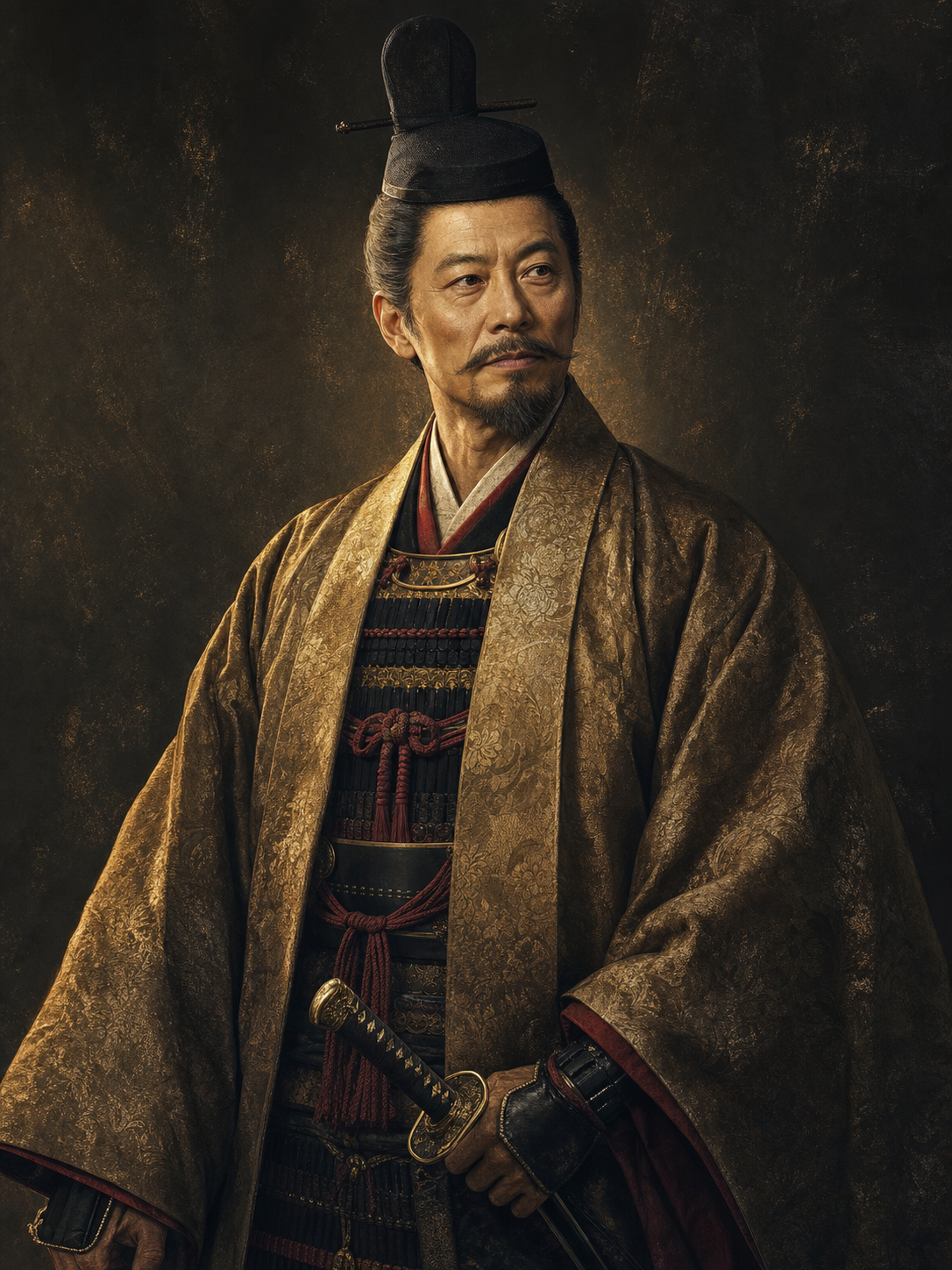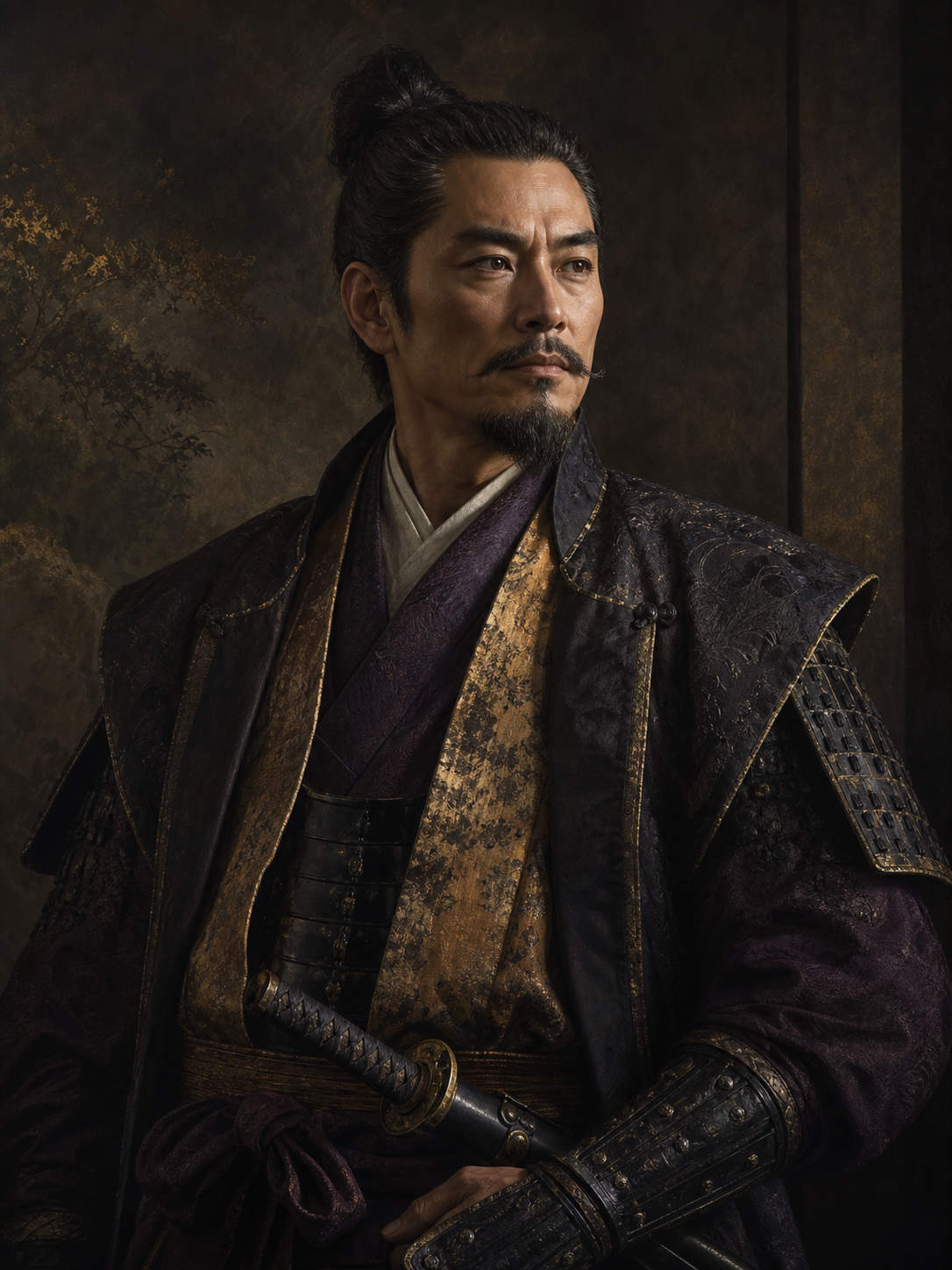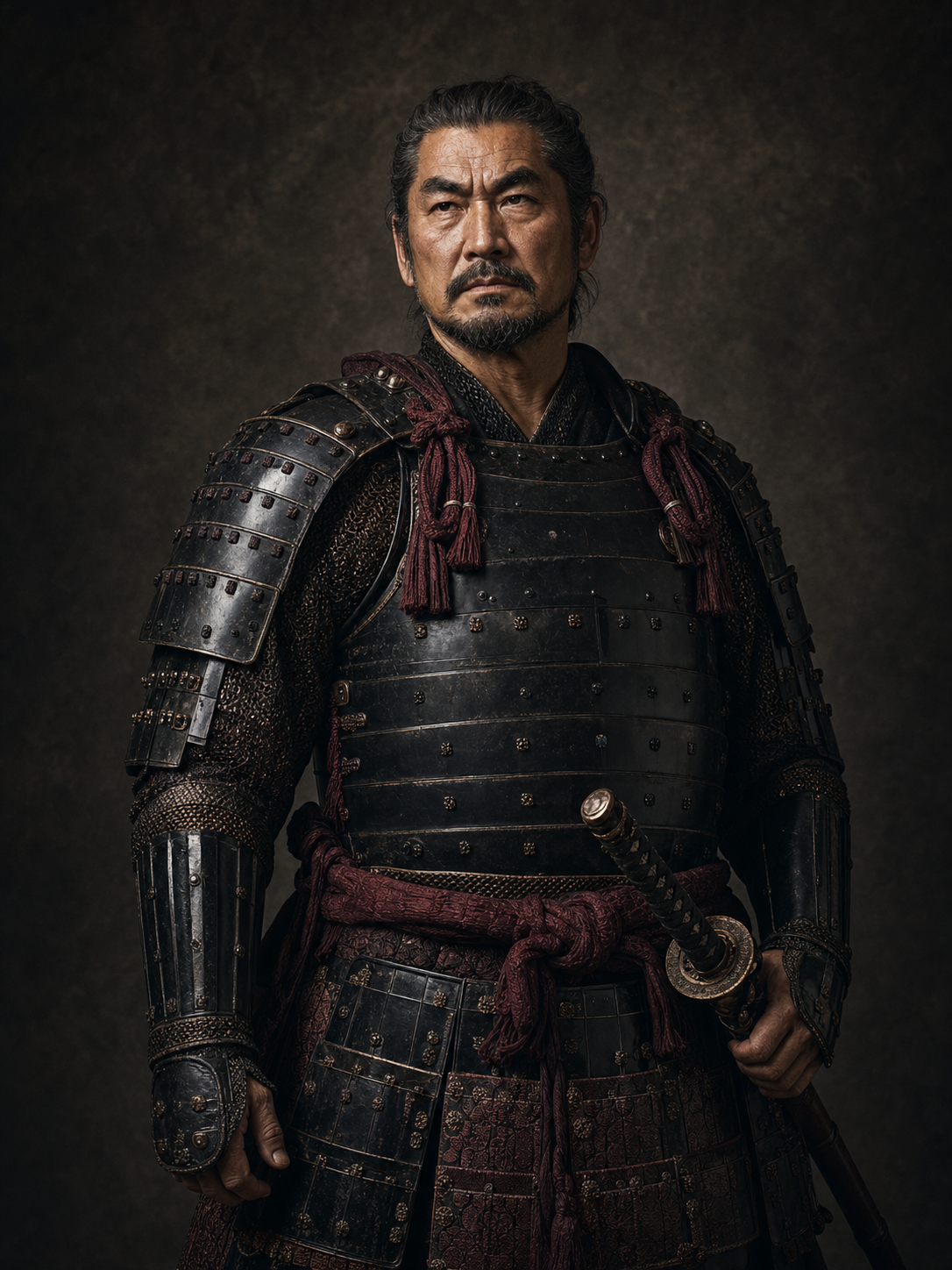
Who was Katsuie?
Shibata Katsuie (1522–1583) was the ranking general of the Oda house and Oda Nobunaga's principal commander in the north. After Nobunaga was killed he was the natural heir to the organisation's leadership, and he lost it to Toyotomi Hideyoshi inside a year.
He was known as "Devil Shibata" and, from an early siege in which he broke his troops' water jars to leave them no option but to attack, as "Jar-smasher Shibata". Both nicknames come from Edo-period accounts.
Why is Katsuie important?
- He commanded the Oda campaign against the Uesugi in the north, one of the hardest fronts.
- He was the senior figure at the Kiyosu conference of 1582, where the Oda succession was decided.
- His defeat at the Battle of Shizugatake in 1583 confirmed Hideyoshi as Nobunaga's political successor.
- His death with Oichi, sister of Nobunaga, at Kitanosho is one of the era's best-known endings.
Under Nobunaga
Katsuie initially backed Nobunaga's younger brother in the Oda succession struggle of the 1550s, was defeated, and was then pardoned and taken into service — after which he became one of Nobunaga's most reliable commanders for twenty-five years.
From 1575 he governed Echizen Province from Kitanosho Castle and led the war against the Uesugi. That posting kept him far from Kyoto in June 1582.
The struggle with Hideyoshi
At the Kiyosu conference after Nobunaga's death, Katsuie supported Nobunaga's third son as heir; Hideyoshi backed the infant grandson of the murdered heir and got his way. Katsuie married Nobunaga's sister Oichi, widow of Azai Nagamasa, which strengthened his claim to represent the family.
Winter kept his army bottled up in the snow country. By the time he could move in the spring of 1583, Hideyoshi had consolidated. At Shizugatake, the defection of Katsuie's own nephew Sakuma Morimasa's position and the collapse of a key contingent turned a manoeuvre battle into a rout.
Kitanosho
Katsuie withdrew to Kitanosho and was besieged. He set fire to the keep and killed himself. Oichi chose to die with him after sending her three daughters out of the castle. See Women of the Sengoku Period.
Those daughters mattered enormously afterwards: the eldest became Yodo-dono, mother of Toyotomi Hideyori; the youngest married the second Tokugawa shogun.
Legacy
Katsuie is usually written as the honest old soldier out-thought by a cleverer man, which is roughly how the Toyotomi-era sources wanted him remembered.
Fukui, the modern city built on the site of Kitanosho, maintains the castle ruins and a shrine to him.