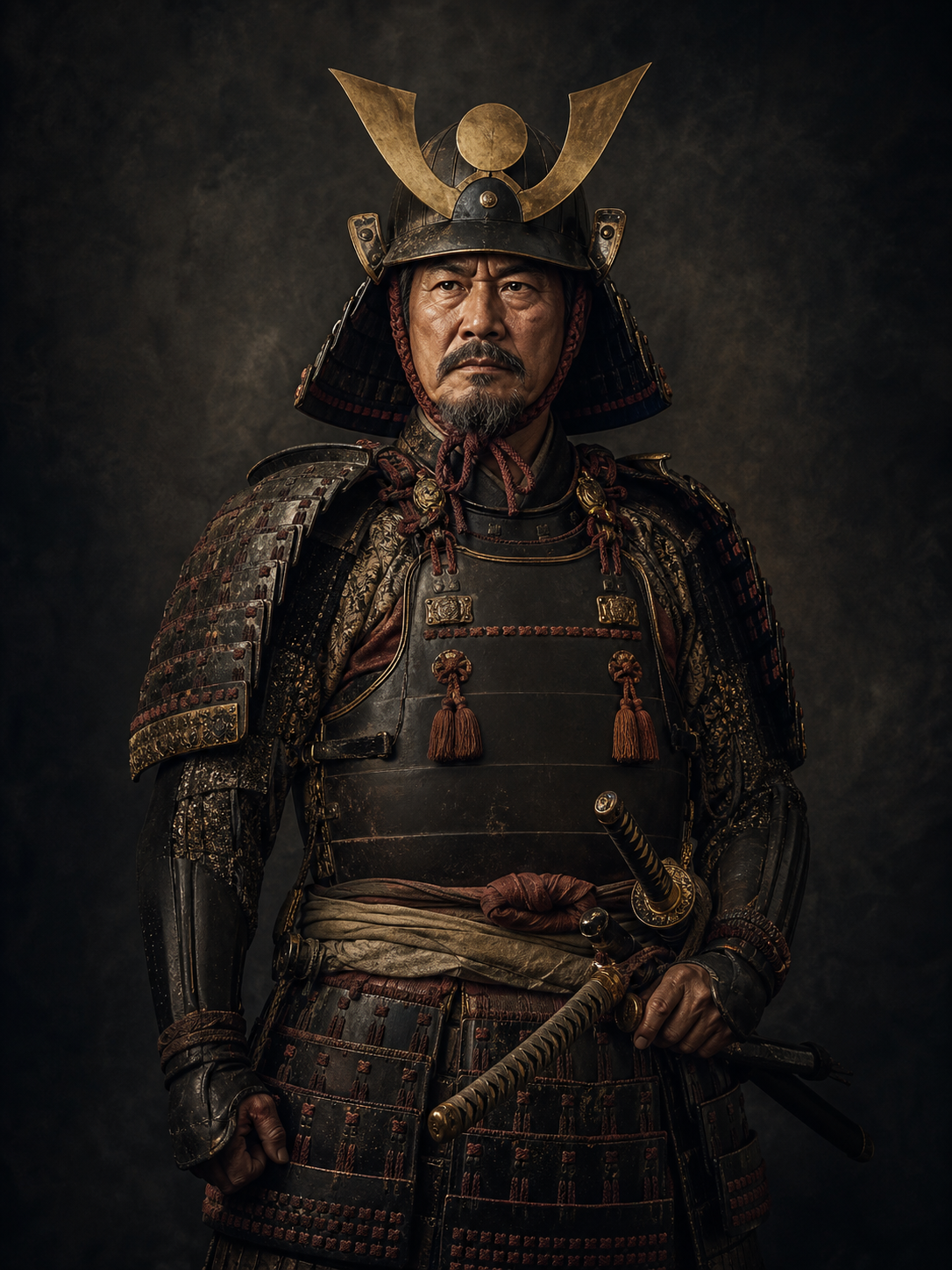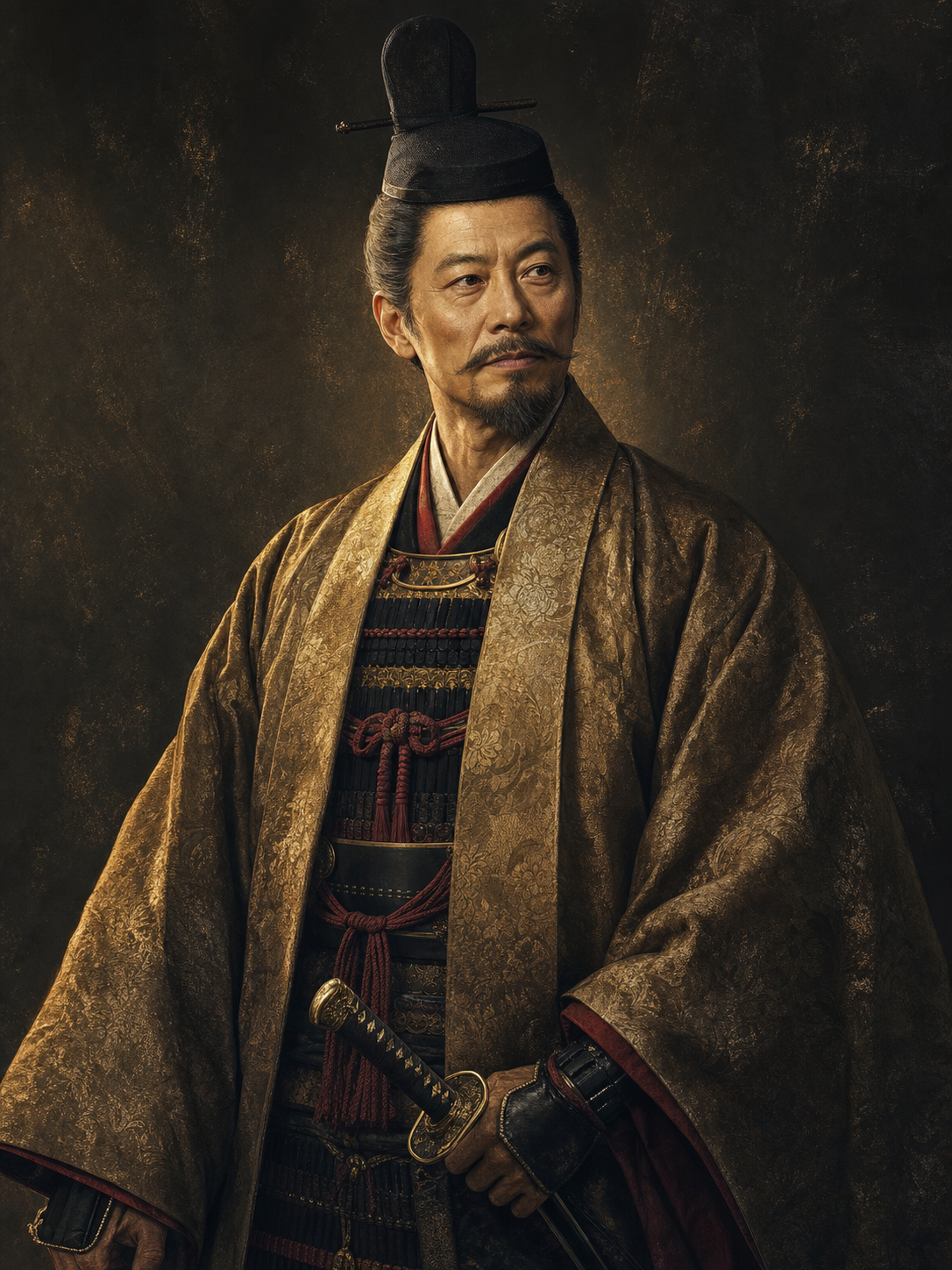
Who was Sorin?
Otomo Sorin (1530–1587) ruled Bungo in eastern Kyushu and, at his height, controlled or dominated six provinces. He built his position on trade with Portuguese ships at Funai and on an early, deliberate relationship with the Jesuits.
He was baptised in 1578, taking the name Francisco — making him the most senior Japanese lord of his generation to convert publicly. The same year his army was destroyed by the Shimazu at Mimikawa, and the Otomo never fully recovered.
Why is Sorin important?
- He was the leading figure in early Japanese–European trade, which brought firearms, medicine and Jesuit missions into Kyushu.
- He was one of the three lords who sponsored the Tensho embassy of 1582, which sent four Japanese boys to Rome.
- His appeal to Toyotomi Hideyoshi in 1586 triggered the Kyushu campaign that ended independent warfare on the island.
- His reign shows both the opportunities and the costs of the Christian and trading alignment in the period.
Trade and the Jesuits
Sorin took power in 1550 after a violent internal upheaval and quickly made Funai — modern Oita — a port of call for Portuguese ships. He protected Francis Xavier and the missions that followed, funded Japan's first Western-style hospital, and used the trade relationship as leverage against rival houses.
His interest was practical as well as religious for most of that time; the baptism came nearly thirty years after his first contact with the Jesuits.
Mimikawa and decline
In 1578 Sorin moved into Hyuga Province, in part to establish a Christian territory there, and his army was crushed by the Shimazu at the Mimikawa. Senior Otomo commanders were killed, vassals began defecting, and the house entered a long decline.
His conversion also created internal opposition, including from his own family, and the destruction of shrines and temples in territory he controlled hardened it.
Appeal to Hideyoshi
With Shimazu Yoshihiro and his brothers pressing into Bungo, Sorin travelled to Osaka in 1586 to ask Hideyoshi for help in person. Hideyoshi invaded Kyushu the following year with a very large army and forced the Shimazu to submit.
Sorin died in 1587, just as the campaign concluded. His son Yoshimune was later stripped of the domain for misconduct during the Korean campaigns, and the Otomo ceased to be a daimyo house.
Legacy
The Tensho embassy he co-sponsored reached Rome in 1585 and was received by two popes; the four young envoys returned to a Japan that had begun to turn against Christianity.
Oita preserves the site of his Funai residence, excavated in recent decades, which has produced substantial archaeological evidence of the Portuguese trade.