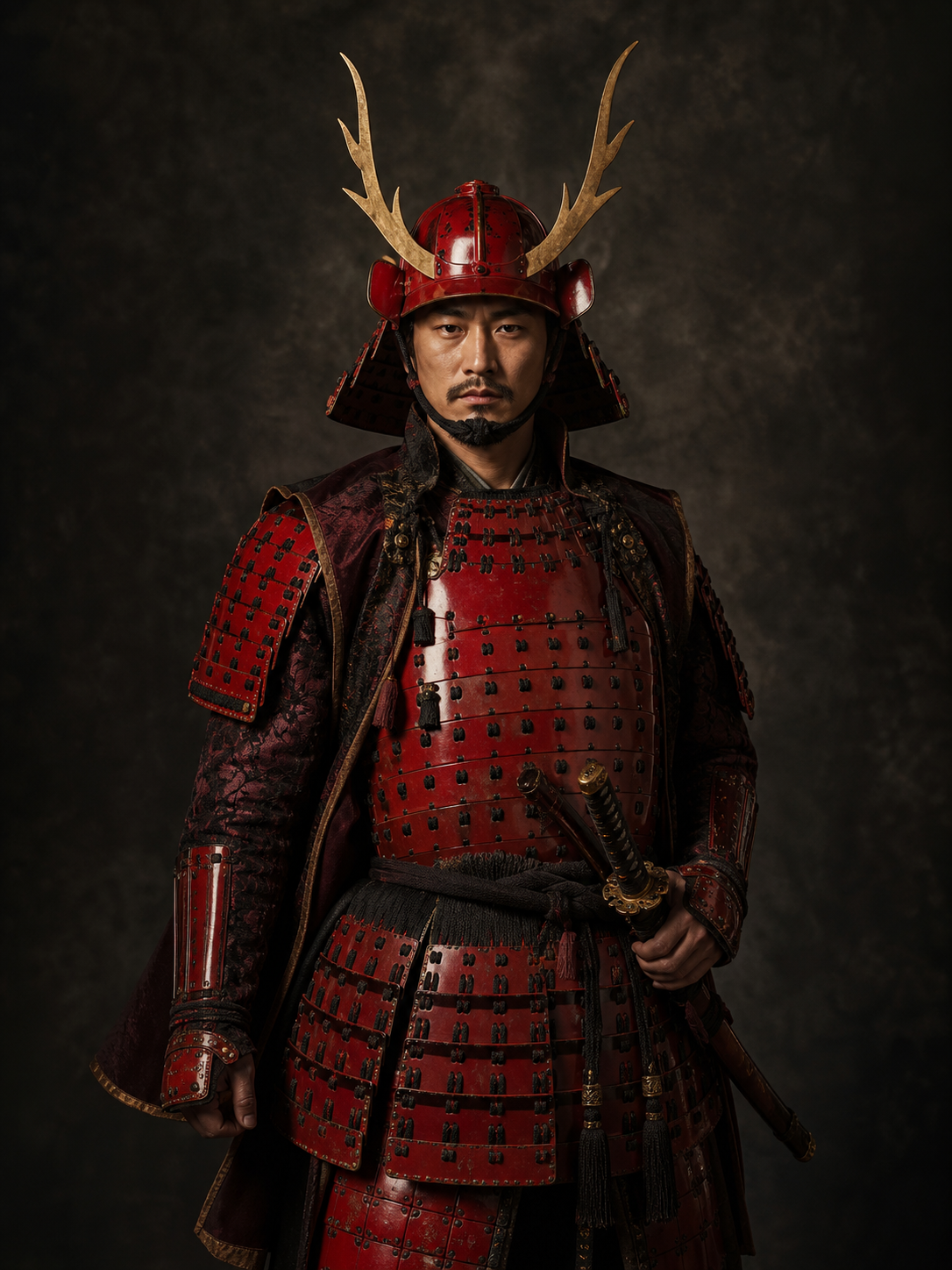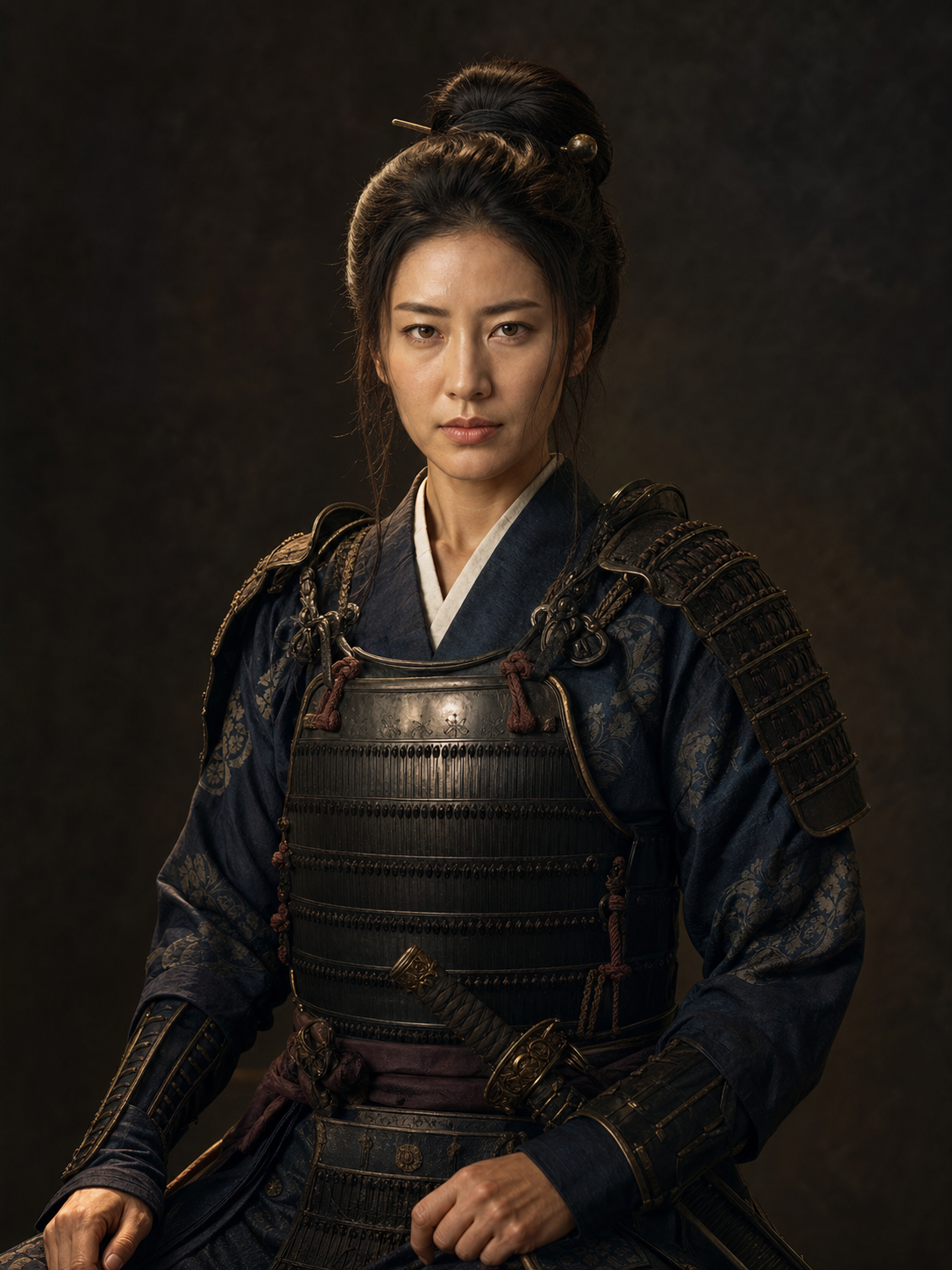
Who was Naotora?
Ii Naotora (died 1582) is recorded as the head of the Ii house of Totomi Province during a period in the 1560s when the family's adult men had been killed or executed in the collapse of Imagawa power. She appears in documents under the name Jiro Hoshi, and she kept the house alive long enough for the infant Ii Naomasa to reach adulthood.
She is often described in English as a "female samurai" or a "woman warlord". Neither phrase fits well, and the sources do not show her fighting. What they show is a woman holding legal and administrative authority over a warrior house at a moment when no one else could.
Why is Naotora important?
- She is one of very few women recorded as the acknowledged head of a warrior house in the Sengoku period.
- She protected Naomasa, who became one of the four leading Tokugawa generals and founded the Hikone domain.
- Documents bearing her authority survive, which is rare for a woman of her rank.
- Her case is a live historiographical debate, which makes it a good illustration of how Sengoku history is actually argued.
What the record shows
The Ii were caught between the Imagawa, who suspected them of disloyalty, and the rising Tokugawa. Successive heads of the family were killed in battle or executed on Imagawa orders within a few years. Naotora, a daughter of the house who had taken Buddhist orders, appears in that gap as the figure exercising authority — issuing documents, dealing with the local temple, and holding the family's land claims.
She died in 1582, the year the Takeda fell, and did not live to see Naomasa's later prominence.
Why the "female samurai" label is misleading
Warrior-class women in this period could and did hold property, manage domains, defend residences and act as political agents. A handful are recorded taking up arms. But "samurai" in the sixteenth century described a hereditary service relationship, not simply anyone who fought, and applying it loosely flattens what is actually interesting about women like Naotora.
Her significance is that she exercised the authority of a house head — a legal and political role — not that she is imagined with a sword. See Women of the Sengoku Period for how this applies across the period.
Legacy
The 2017 NHK annual drama Onna Joshu Naotora made her nationally famous in Japan, and also drove the public argument about the 2016 document.
Hamamatsu preserves the Ii family temple at Ryotanji, where she is buried, along with the family's records.