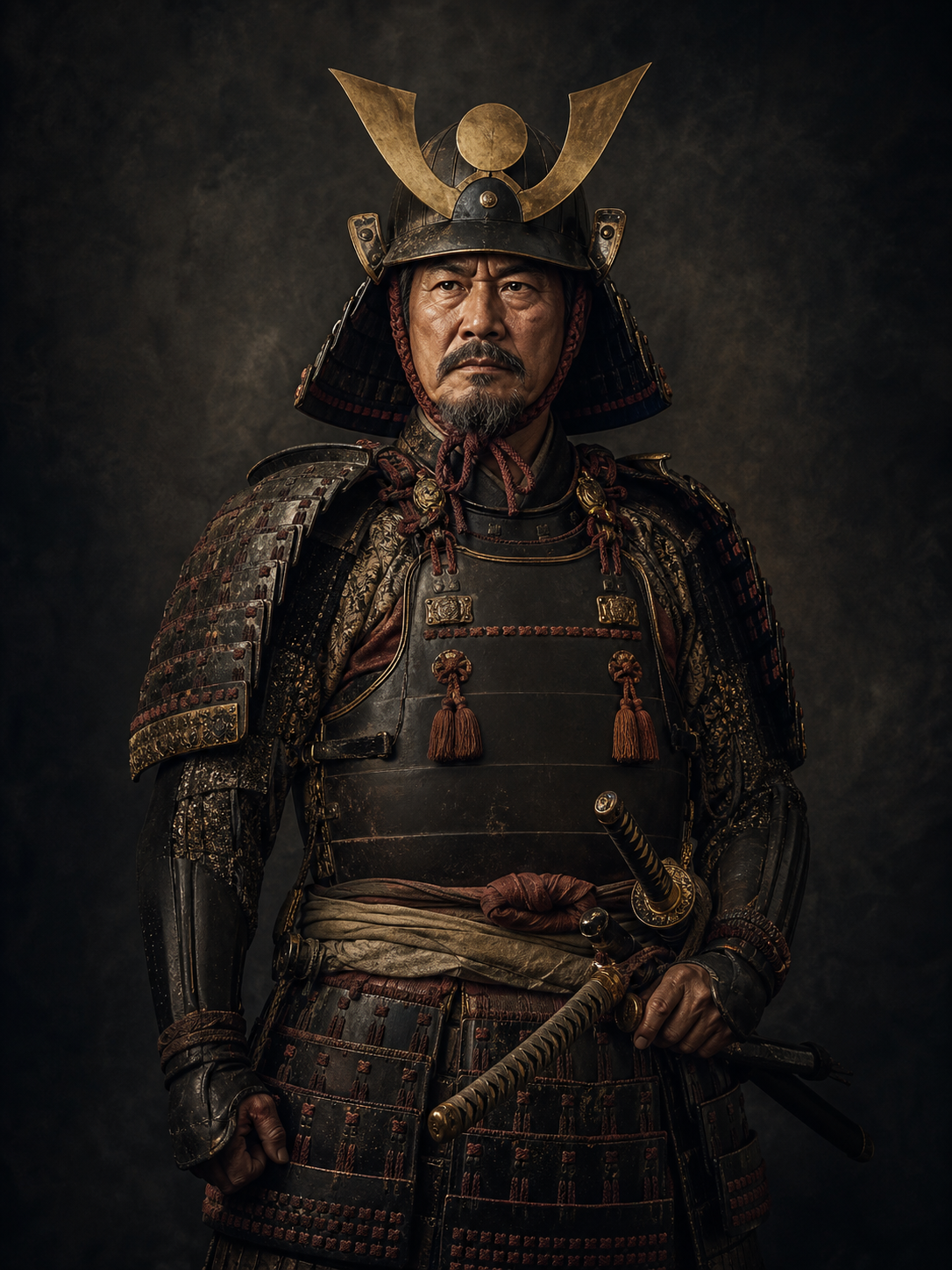
Who was Yoshihiro?
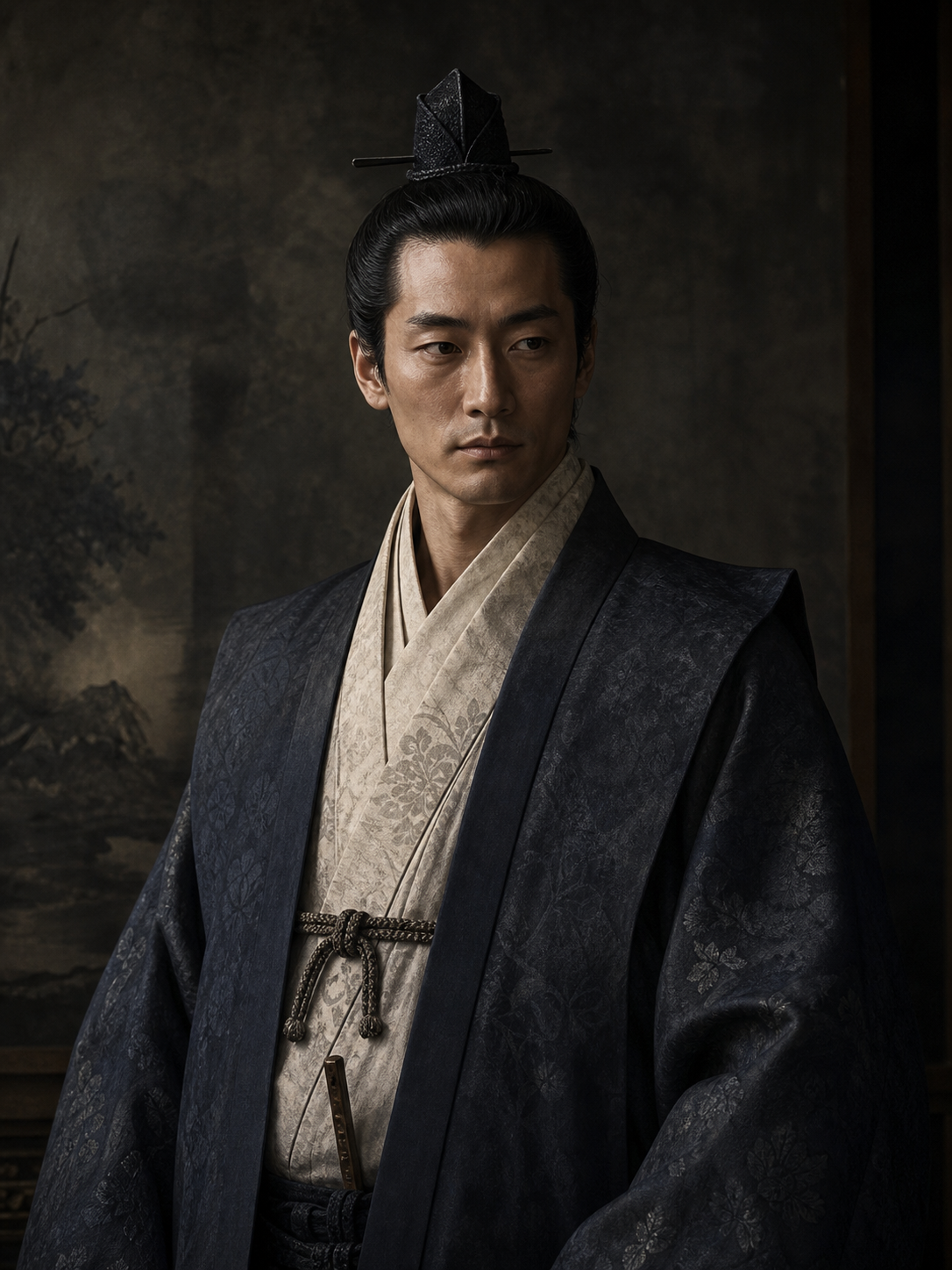
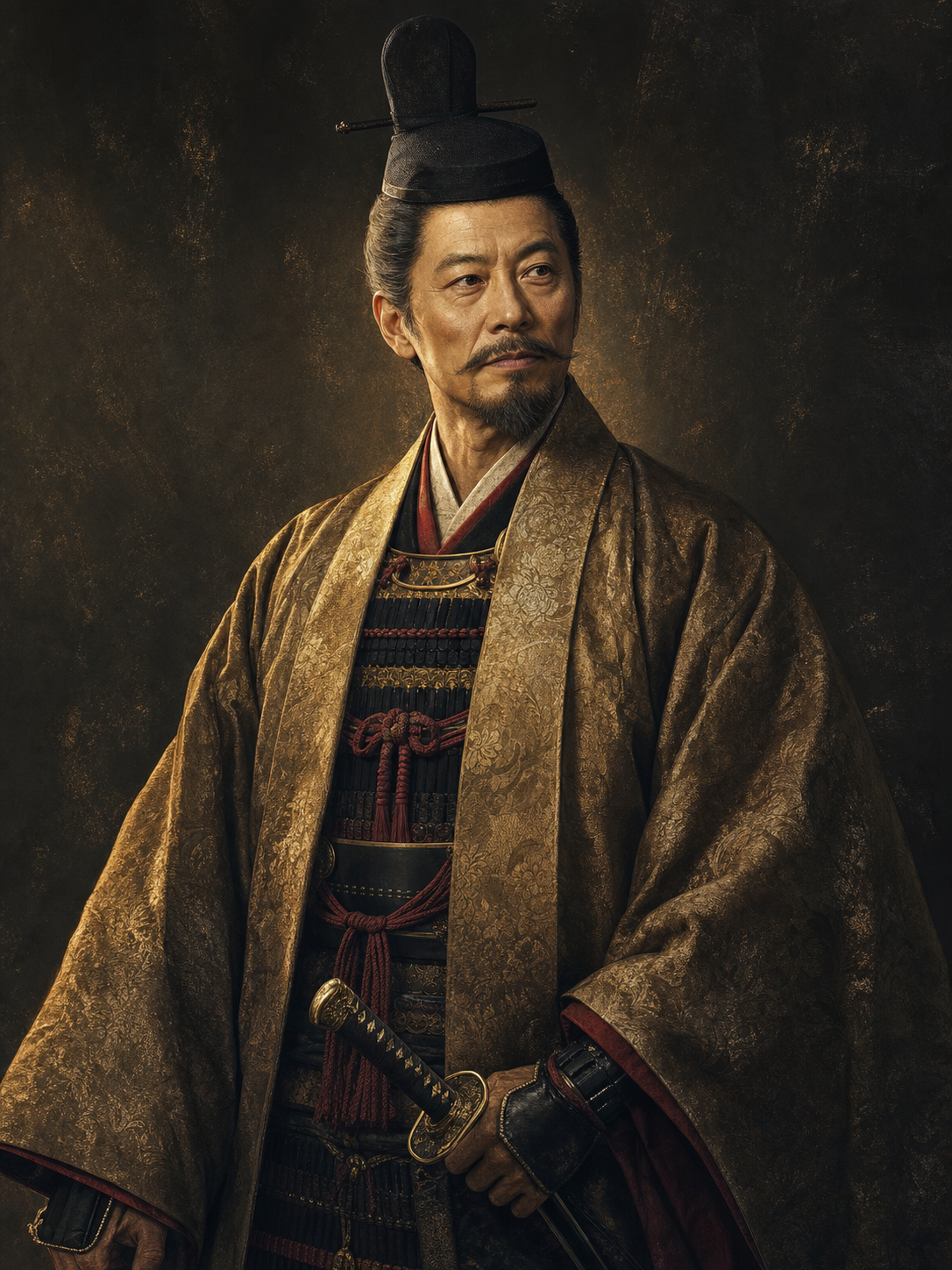
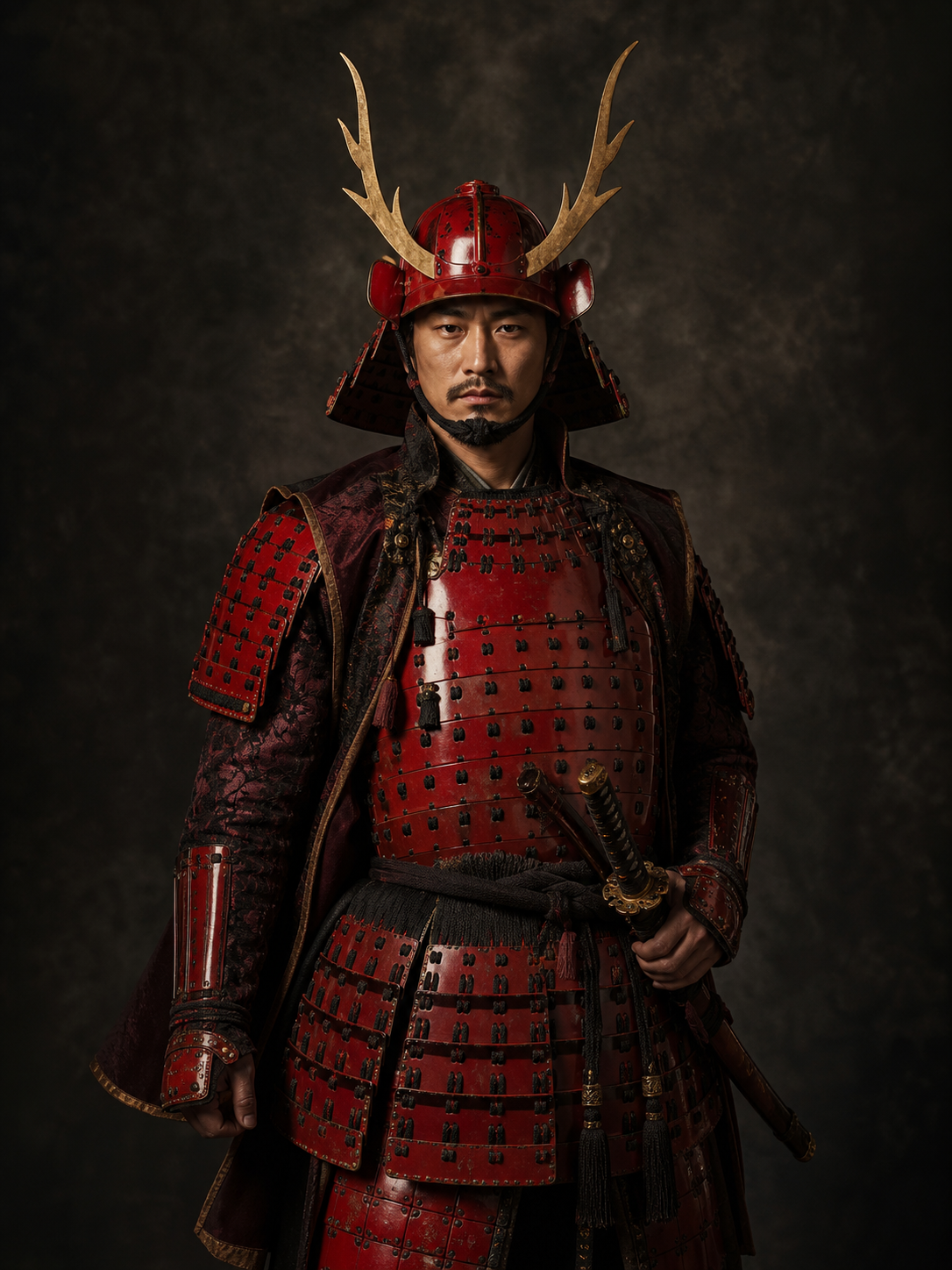
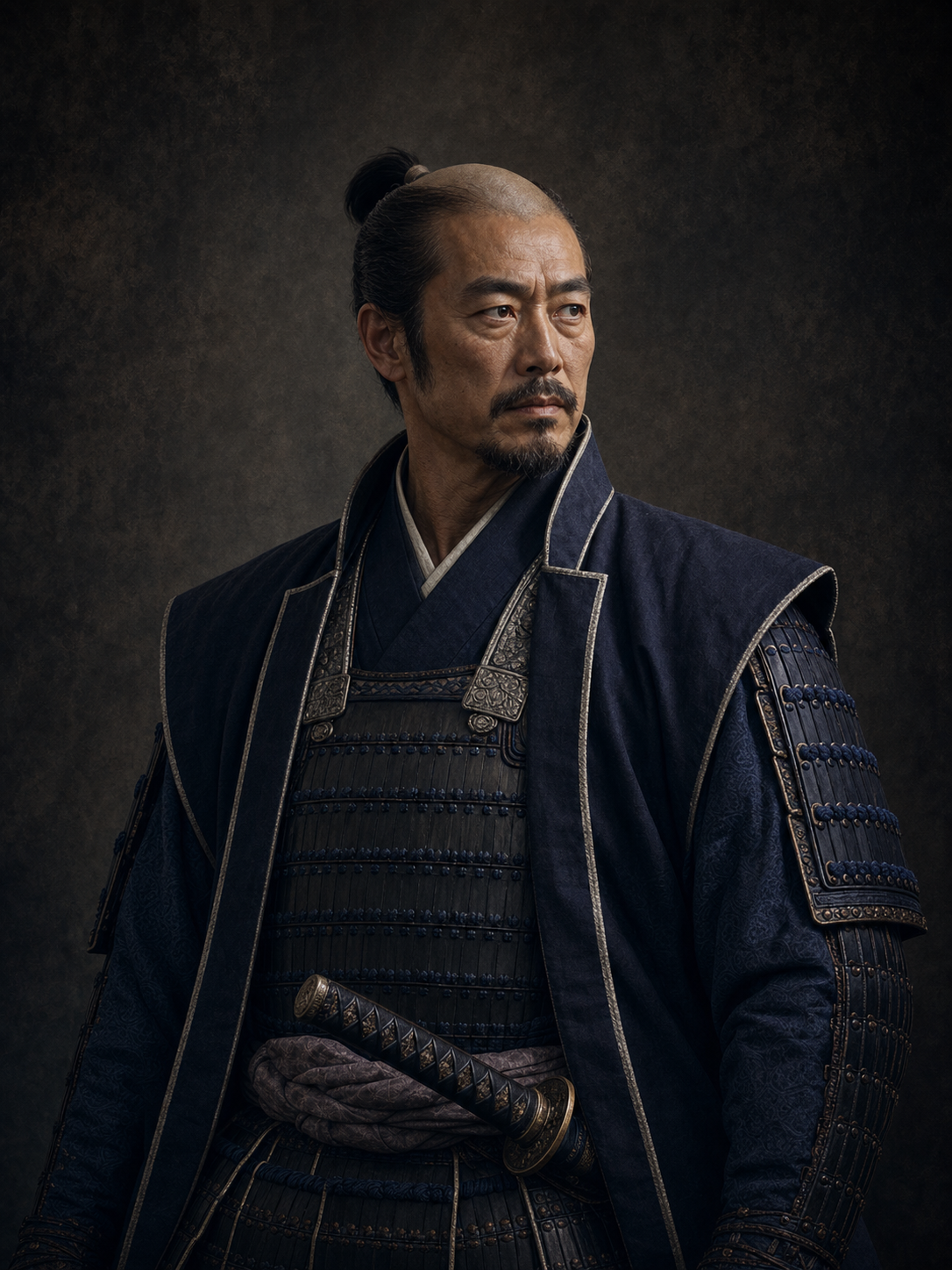
Shimazu Yoshihiro (1535–1619) was the leading general of the Shimazu, the house that dominated southern Kyushu from Satsuma Province, today western Kagoshima. He fought in the Shimazu conquest of Kyushu, in the Korean campaigns, and at the Battle of Sekigahara.
He is best known for how he left Sekigahara. Cut off after the Western Army collapsed, and with only a few hundred men, he chose to break out forward — straight through the victorious Tokugawa army — rather than surrender or flee backwards. The manoeuvre is known in Japanese as the Shimazu no Nokiguchi, "the Shimazu retreat".
Why is Yoshihiro important?
- He commanded in the Shimazu campaigns that nearly unified Kyushu before Hideyoshi intervened in 1587.
- His breakout at Sekigahara is the most famous fighting withdrawal in Japanese military history.
- His conduct after the battle helped the Shimazu keep their domain intact despite fighting on the losing side.
- The Satsuma domain that resulted became one of the two forces that overthrew the shogunate in 1868.
Kyushu
The Shimazu expanded northwards through Kyushu in the 1570s and 1580s, defeating the Ryuzoji and driving Otomo Sorin to appeal to Toyotomi Hideyoshi for help. Yoshihiro commanded in several of these campaigns, including the destruction of a Toyotomi advance force at Hetsugigawa in 1586.
Hideyoshi then invaded Kyushu personally in 1587 with an overwhelming army. The Shimazu submitted and were confined to their home provinces, but were not destroyed.
Korea
Yoshihiro served in both Korean campaigns. Japanese accounts credit his force with a defensive victory at Sacheon in 1598 against a far larger allied Ming and Korean army; Korean and Chinese accounts of the same engagement differ substantially, as they do for much of this war.
Like other Kyushu lords, he brought Korean potters back to his domain, some of them forcibly relocated. Their work became Satsuma ware, still produced today. This aspect of the invasions — the abduction of craftsmen and civilians — is a documented part of the record.
Sekigahara
The Shimazu contingent at Sekigahara was small, around 1,500 men, and Yoshihiro's relations with Ishida Mitsunari were poor; his advice was repeatedly ignored and his troops stood idle for much of the battle.
When the Western Army broke, the Shimazu were surrounded. Yoshihiro drove forward through the enemy centre and out the far side, with detachments halting to fight and die in place to slow the pursuit — a tactic recorded as sutegamari. His nephew Toyohisa was among the dead. Of roughly 1,500 men, a few dozen reached Satsuma. Yoshihiro was one of them.
Legacy
The Shimazu negotiated for two years after Sekigahara and kept their lands — almost unheard of for a house on the losing side — partly because invading Satsuma would have been expensive and partly through the mediation of Ii Naomasa, who had been wounded pursuing them.
Satsuma remained an unusually independent domain throughout the Edo period, invaded and controlled the Ryukyu Kingdom from 1609, and led the movement that ended Tokugawa rule in 1868.