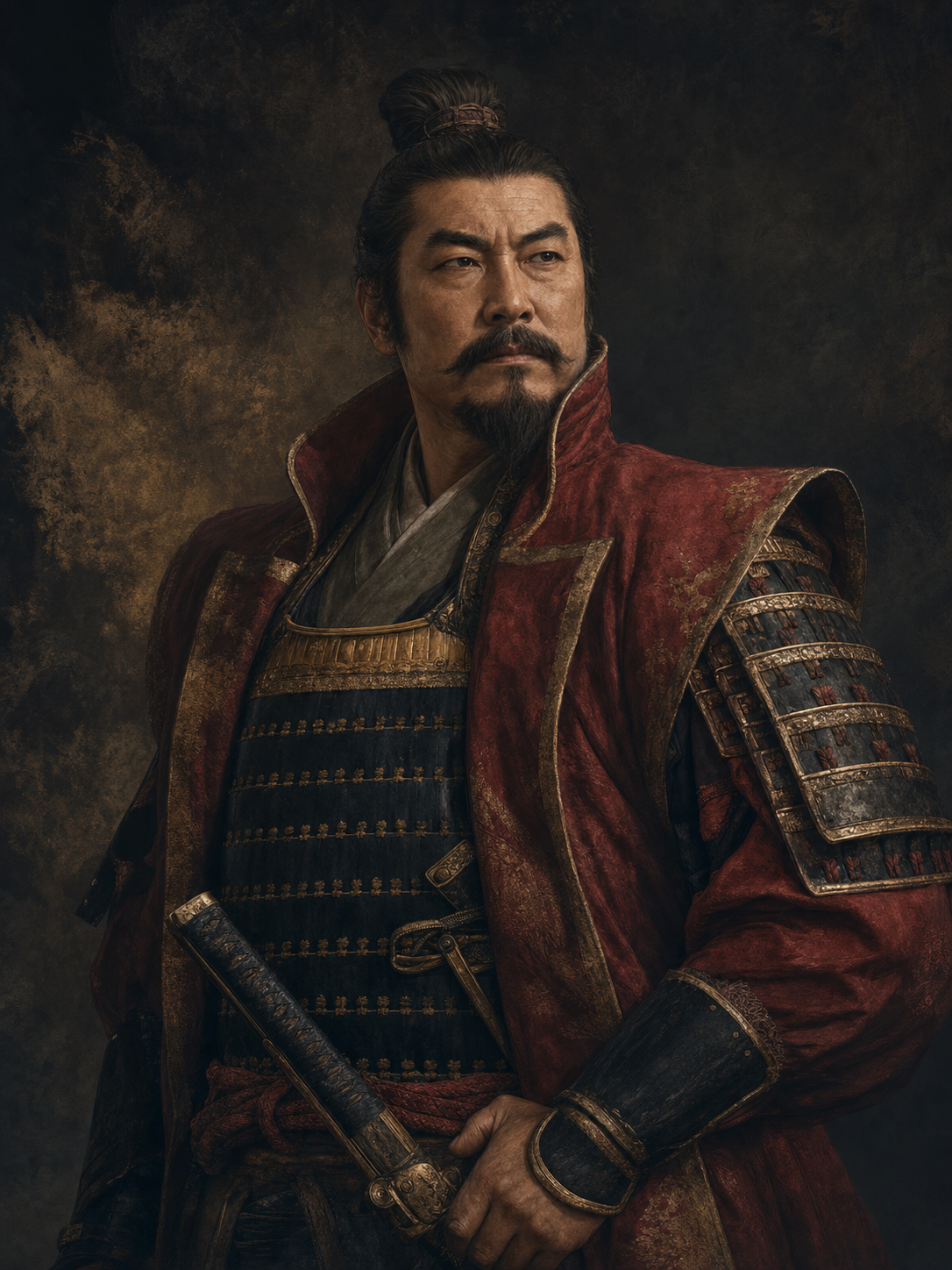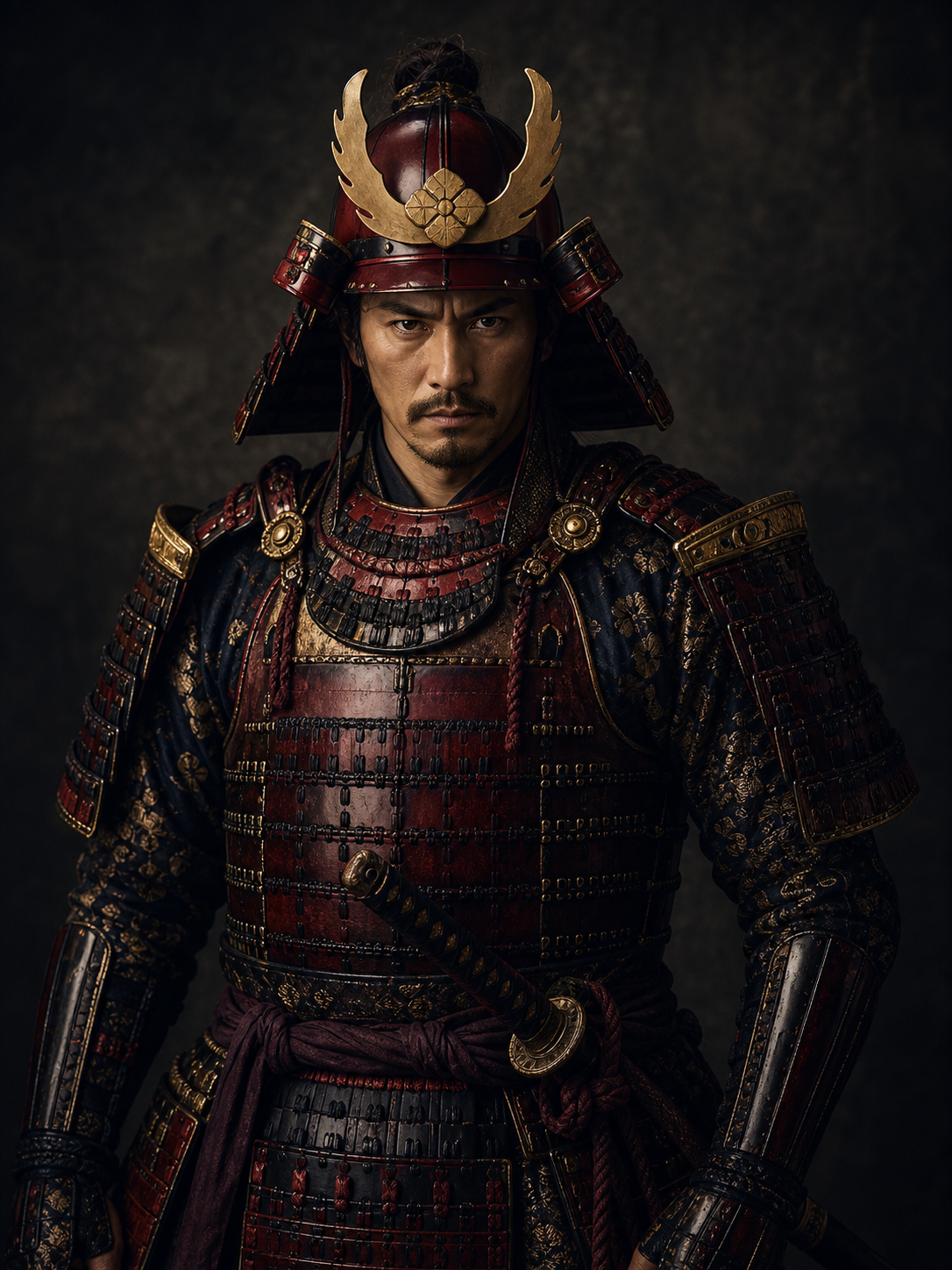
Who was Katsuyori?
Takeda Katsuyori (1546–1582) succeeded Takeda Shingen as head of the Takeda and presided over the destruction of the house within nine years. He is the standard example in Japanese history of the successor who cannot hold what he inherited.
The judgement is harsher than the record deserves. Katsuyori actually expanded Takeda territory further than his father had, taking castles Shingen never took. His problem was structural, and it caught up with him at the Battle of Nagashino in 1575.
Why is Katsuyori important?
- His defeat at Nagashino destroyed a generation of Takeda senior commanders in a single day.
- The battle is the most cited example of firearms changing Japanese warfare, though the details are heavily disputed.
- The fall of the Takeda in 1582 removed the last major obstacle to Oda control of central Japan.
- His case shows how a Sengoku house could collapse from within once its retainers stopped believing in its leadership.
An heir with a weak claim
Katsuyori was Shingen's fourth son, born to a woman from the defeated Suwa house, and had been raised to head the Suwa rather than the Takeda. He took over only because the designated heir, his elder brother, was implicated in a plot and died in confinement.
By the terms of his father's arrangements he governed as guardian for his own young son rather than in his own right. Senior Takeda retainers who had served Shingen for decades did not treat him as an equal, and the succession was contested from the start.
Nagashino
In 1575 Katsuyori besieged Nagashino Castle in Mikawa and then chose to fight the relieving Oda–Tokugawa army in the open. The allied force was substantially larger and had prepared a defended position behind palisades on broken, wet ground.
The Takeda attacked and were shot to pieces. Several of the most senior Takeda generals — men who had built the army under Shingen — were killed. What is disputed is the mechanism: the famous account of 3,000 arquebuses firing in three rotating volleys comes from later chronicles, and the earliest sources give different numbers and say nothing about rotation. The terrain, the palisades and the numerical advantage probably mattered as much as the guns.
Collapse
Katsuyori survived and kept fighting for seven more years, but he could not replace the lost commanders, and his standing inside his own domain deteriorated. His decision to abandon the traditional Takeda residence and build a new castle at Shinpu strained his retainers further.
In 1582 the Oda and Tokugawa invaded Kai. Takeda vassals defected in rapid succession, including close relatives. Katsuyori was cornered at Tenmokuzan with a few dozen followers and killed himself along with his wife and his son. The Takeda ended there.
Legacy
Many surviving Takeda retainers were taken into Tokugawa service, and their military practice — including the red-armour convention adopted by Ii Naomasa — carried into the army that won at Sekigahara.
Katsuyori's reputation was fixed by the Koyo Gunkan, a chronicle written to celebrate Shingen's era, which needed someone to blame for what came after. Modern reassessments are more measured.